White House National Economic Council Director Kevin Hassett told Fox Business this week he expects inflation to ease further before the end of the year, driven largely by cooling energy costs and what he described as growing momentum in the economy. The forecast matters now because lower inflation would influence household budgets, Federal Reserve decisions and the political landscape ahead of the 2026 midterms.
In the interview, Hassett pointed to recent market moves and underlying growth as evidence that price pressures are easing. He highlighted declines in Treasury yields and a steadying labor market as indicators that inflation could continue to drift down in the coming months.
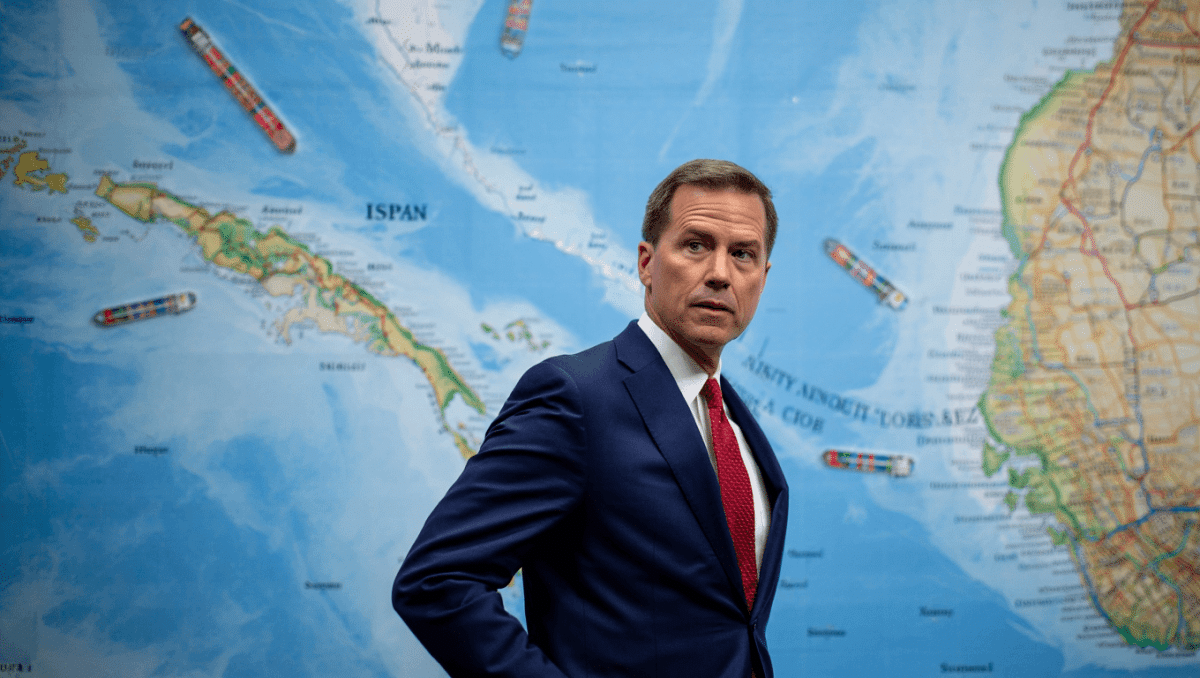
Central to his outlook is the outlook for oil. Hassett argued that a removal of shipping disruptions in the Strait of Hormuz would quickly translate into lower fuel costs for consumers and businesses, loosening one of the most visible drivers of headline inflation.
That shift would feed through to day-to-day expenses, from filling up at the pump to higher transportation costs embedded in grocery and goods prices. But Hassett cautioned that the timing depends on geopolitical developments and how quickly markets respond.
- Short-term indicators: Falling benchmark yields and stabilizing wage growth suggest reduced inflation momentum.
- Energy sensitivity: Oil price declines tied to eased Middle East tensions would lower headline inflation more rapidly than core measures.
- Policy implications: A sustained drop in inflation could reduce pressure on the Federal Reserve to keep rates elevated.
- Economic support: Public and private investment in artificial intelligence, manufacturing and domestic energy production are cited as bolstering growth.
Investors and policymakers have been watching energy markets closely after recent volatility linked to Middle East tensions. For many consumers still facing high costs for groceries, housing and insurance, even modest improvements in fuel and shipping costs could provide noticeable relief.
Hassett also framed government-backed investment in technologies and production capacity as part of the effort to strengthen the economy. He suggested that spending and private capital flowing into AI, manufacturing and domestic energy could help sustain growth while easing price pressures over time.
Still, the outlook is not without clear risks. If oil markets remain tight or geopolitical frictions persist, energy-driven inflation could keep headline inflation above the Fed’s target and complicate monetary policy choices. Conversely, a quick decline in energy costs would likely reduce the headline rate faster than core inflation, which excludes volatile items.
For readers tracking what comes next, the most important signals will be month-to-month inflation readings, oil-price movements and Federal Reserve commentary. Together they will determine whether Hassett’s year-end forecast for lower inflation holds up—or whether geopolitical shocks and lingering price pressures force a reassessment.