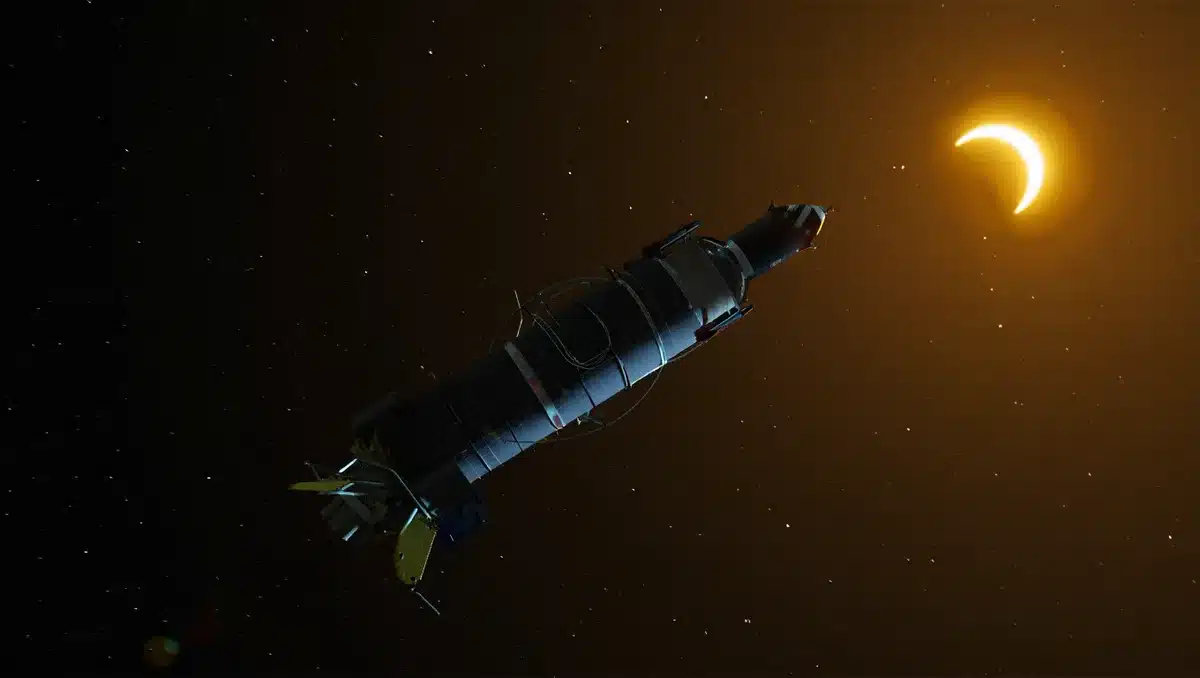
A SpaceX Falcon 9 upper stage rocket crashed into the moon on August 5, 2026, near Einstein Crater at approximately 5,400 miles per hour, creating a crater estimated between 65 and 90 feet in diameter on the lunar surface.
The spent upper stage, weighing roughly 4,000 kilograms (8,800 pounds) and measuring about 45 feet long, had been drifting in space since its launch on January 15, 2025. That mission carried two commercial lunar landers—Firefly Aerospace’s Blue Ghost and Tokyo-based Ispace’s Resilience—to the moon.
After completing its primary mission of propelling the landers toward the lunar surface, the upper stage remained in orbit. For missions to low Earth orbit, such as those supplying the International Space Station, SpaceX typically allows upper stages to burn up in Earth’s atmosphere. But for high-energy missions heading to the moon, different procedures apply.
“For high energy missions, we need to perform a different maneuver to ensure the second stage itself is safe per the appropriate rules and regulations,” said Julianna Scheiman, director of NASA Science and Dragon Programs at SpaceX. “What has happened is essentially a mixture of solar activity and gravity forces have put it on a path towards the moon.”
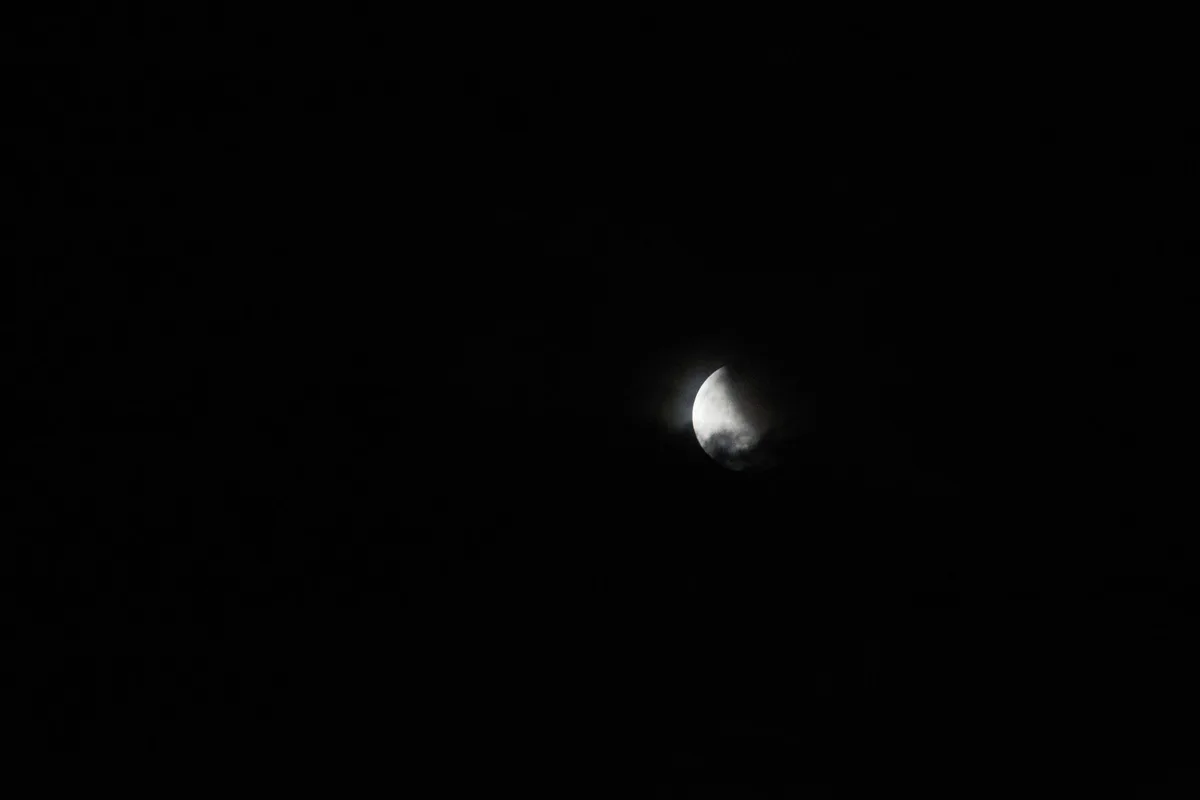
Astronomers and space tracking experts had been monitoring the object’s trajectory for months. The rocket stage, cataloged as 2025-010D, was identified by independent space trackers using publicly available data and confirmed by NASA’s Center for Near Earth Object Studies.
The impact posed no danger to Earth. However, scientists say it marks a historic moment: according to research cited by astronomers, this was the first known uncontrolled collision of an artificial object with the moon. While space rocks regularly strike the lunar surface, and Apollo astronauts observed impact flashes from meteoroids, deliberate or accidental impacts from human-made debris have been rare.
The collision has broader implications for lunar exploration. NASA is planning sustained human presence on the moon through its Artemis program, and as more missions head to the lunar surface, managing space debris in lunar orbit becomes increasingly critical. Unlike Earth, which has a protective atmosphere that burns up falling debris, the moon has no air to shield its surface.
Learning from Impact and Planning Prevention
Scientists are using this rare event as an opportunity to better understand the lunar surface. Current estimates suggest the rocket stage could have ejected rocky material as far as 500 miles from the impact site. Dr. Paul Wiegert, a professor of astronomy and physics at Western University, noted that understanding crater formation and debris ejection is essential for future lunar operations.
“What happens when an object crashes into the moon? We know it makes a crater, and it does eject material, but we don’t really understand that process in great detail,” Wiegert said. “And now that we have more spacecraft, and soon to have astronauts on the moon, we really want to understand that process better.”
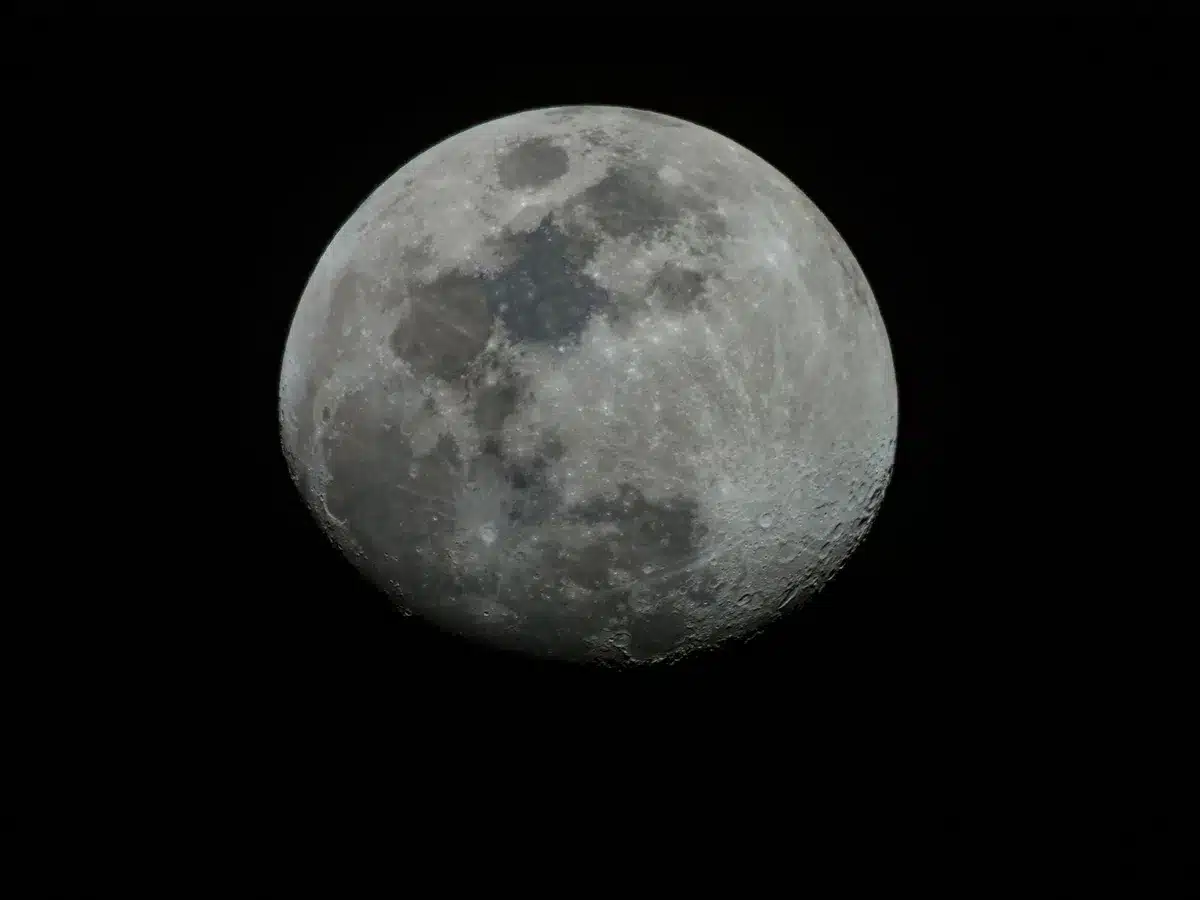
NASA’s Lunar Reconnaissance Orbiter is expected to survey the impact site to gather scientific data. South Korea’s Pathfinder Lunar Orbiter attempted to capture images of the upper stage before impact.
SpaceX and NASA are now collaborating on solutions. “What is the best future disposal path for high energy missions that are in the sun-Earth-moon system?” Scheiman asked, signaling that the companies are exploring ways to prevent similar uncontrolled lunar impacts. The stakes are high: as lunar exploration accelerates, the accumulation of space debris could pose significant risks to future astronauts and infrastructure on the moon’s surface.
The event also underscores the growing challenge of managing artificial objects in space. Unlike potentially hazardous asteroids, which are actively tracked, there is no formalized global system for tracking debris beyond Earth orbit. The company has also reported strong financial results as it navigates these operational and regulatory challenges, and recently partnered with NVIDIA for AI infrastructure, indicating continued investment in its space operations.
Sources
- CNN — SpaceX Falcon 9 upper stage impact details, crater size estimates, mission background, expert commentary from Dr. Paul Wiegert and Julianna Scheiman
- NBC News — Confirmation that this was the first known uncontrolled rocket collision with the moon
- Space.com — Impact velocity (5,400 mph), upper stage weight (8,800 pounds), location near Einstein Crater
- NASA — Tracking confirmation, crater formation estimates, Lunar Reconnaissance Orbiter observation plans
- Project Pluto — Upper stage trajectory data and impact coordinates
- NPR — January 15, 2025 launch date, lunar mission context, debris characteristics