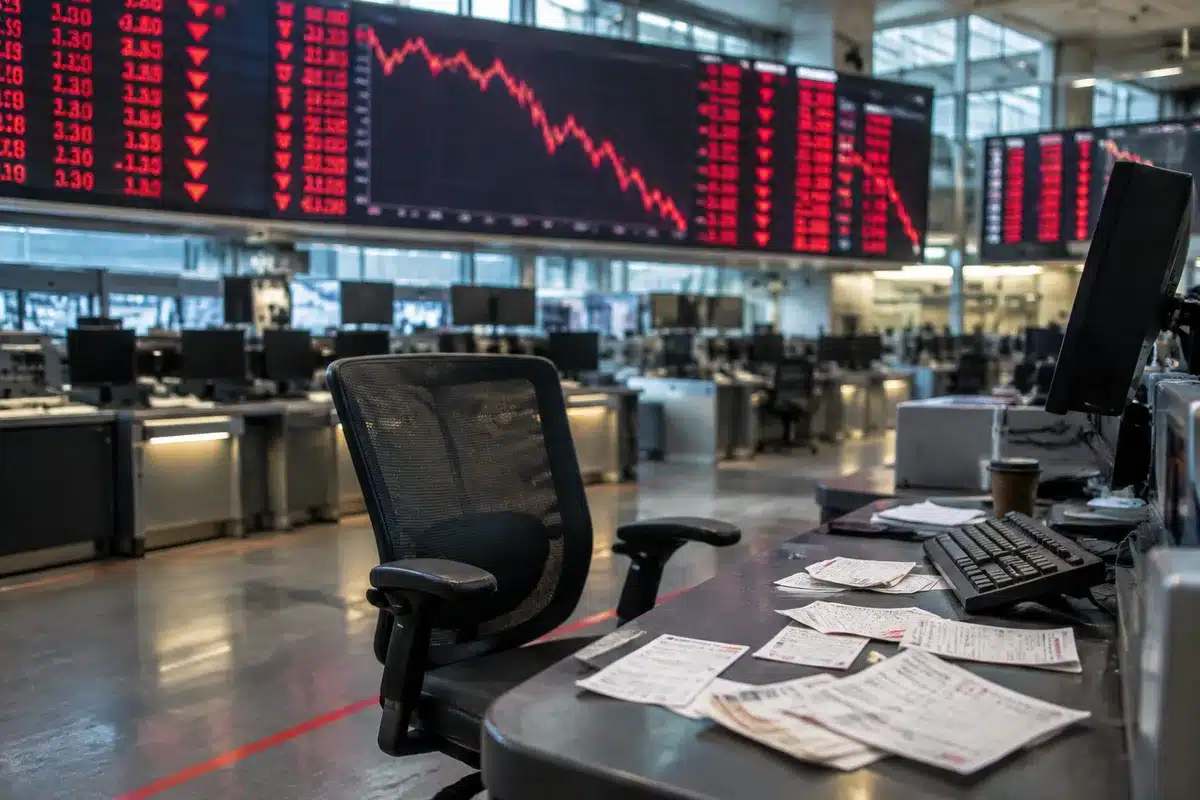
The kospi index has triggered multiple market-wide pauses in 2026 as steep intraday drops and sharp rebounds activated Korea Exchange circuit-breaker rules and temporary halts that stop automated program trading.
KRX’s public pages show the exchange publishes market news and lists KOSPI rules and statistics, and the site lists the main market indices and oversight functions that govern trading pauses on the KOSPI market.
Yonhap reported that the Korea Exchange convened emergency market-review meetings after the KOSPI plunged enough in June 2026 to activate an 8% sell-side circuit breaker and pause trading for 20 minutes, a mechanism used repeatedly that year to slow order flow during extreme moves.

The kospi index has seen fast, large swings in 2026 tied to sharp sell-offs in chip and AI‑exposed names and to heavy program trading; regulators and the exchange have repeatedly used trading halts and sidecars to manage volatility, according to KRX material and reporting by Yonhap.
Programmatic trading limits and the exchange’s sell‑side circuit breakers are designed to halt trading when the kospi index moves beyond predefined thresholds for a sustained minute, giving brokers and the market a cooling period before automated orders resume, KRX explains on its site.
Market watchers point to concentrated positions in a handful of large-cap semiconductor and technology stocks as an amplifier of index moves; that concentration can make the kospi index fall or rise faster than broader markets when those names swing sharply, a dynamic highlighted across 2026 coverage.
For readers tracking global volatility, analysts have warned that U.S. and regional market jitters can spill into Korean markets; for broader market context see Tom Lee of Fundstrat and our piece on broader U.S. stock weakness where many S&P components sit below highs, which helps explain cross‑market flows that can drive sudden kospi index swings.
Sources
- Korea Exchange (KRX) — KRX site listing market overview, indices and market‑oversight pages explaining exchange functions and listings that govern trading halts on the KOSPI.
- Yonhap News Agency — report that the Korea Exchange convened emergency market‑review meetings after the KOSPI plunged and an 8% sell‑side circuit breaker halted trading for 20 minutes in June 2026.