SpaceX reported revenue of $7.81 billion in the second quarter, beating Wall Street estimates of $6.93 billion in the company’s first earnings report since its record June IPO, according to CNBC. The stronger-than-expected performance marked a 92% revenue jump from the prior year, though the company still posted a net loss of $541 million, narrowing from $1 billion a year earlier.
The earnings beat came as a relief to investors who have watched the stock tumble since its June 12 IPO. SpaceX opened trading at $150 per share and initially surged to a peak above $225, but has since fallen 16% to $125.33 by the time of the earnings announcement, still below the $135 IPO price. The stock rallied 9.4% on the earnings news, marking its best day since June 15.
SpaceX’s three business segments all exceeded analyst expectations. The space segment generated $962 million in revenue versus $835 million expected; connectivity—dominated by Starlink—brought in $4.29 billion against a $3.83 billion estimate; and the AI segment contributed $2.56 billion versus $2.18 billion projected, according to StreetAccount.
The company’s IPO in June raised roughly $75 billion at a $1.8 trillion valuation, transforming Elon Musk’s space company into a publicly traded entity. Since opening, the stock has faced significant headwinds despite the earnings beat, reflecting investor concerns about the company’s massive capital expenditure plans and ongoing losses across two of its three business units.
Capital expenditures soared to $18.37 billion in the quarter, more than six times higher than a year earlier and exceeding the $13.22 billion analyst estimate, according to FactSet. Most of that spending—$15.83 billion—went toward AI infrastructure, part of SpaceX’s merged operations with Musk’s xAI, which combined in February. The company has announced major cloud deals, including a $920 million monthly agreement with Google announced just before the IPO and a separate arrangement with Anthropic to use SpaceX’s Memphis data center capacity.
Starlink, SpaceX’s only consistently profitable segment, reached 12 million subscribers, doubling from a year earlier and up 17% from the first quarter. However, average revenue per user fell to $66 from $85 a year ago. The connectivity segment posted operating income of $1.66 billion, while the space unit lost $542 million and the AI unit lost $1.26 billion.

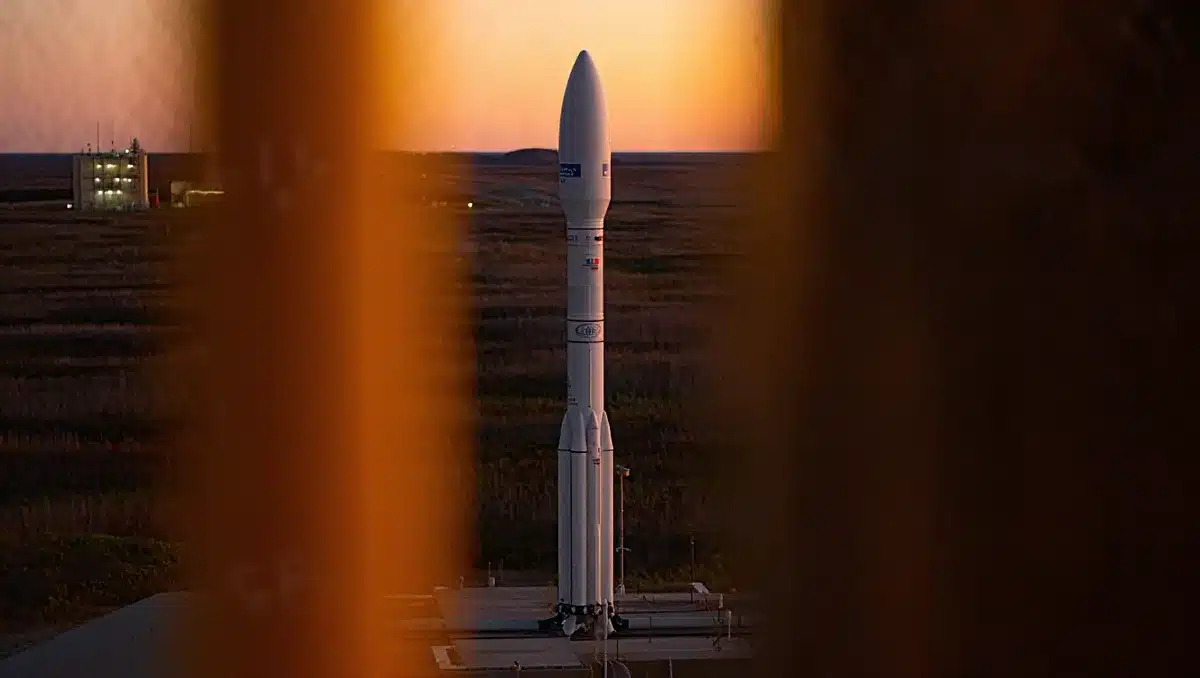
SpaceX’s path to profitability depends heavily on the success of Starship, its fully reusable super-heavy lift rocket that the company calls the “key enabler” of its long-term growth strategy. The company has faced technical challenges, including trouble reigniting engines during Starship’s 13th test flight in July. SpaceX also halted new Falcon 9 commercial bookings beyond 2028 to focus resources on Starship development, according to the company’s statement.
The company’s cash position strengthened dramatically following the IPO. SpaceX now holds $93.5 billion in cash and equivalents, up from $24.7 billion at the end of the first quarter. However, analysts at Phillip Capital project the company will burn through much of that cash over the next four years as capital expenditures continue to surge, estimating SpaceX will return to a net debt position of $3.3 billion by fiscal 2030.
The earnings report comes as a significant test for the stock, with options markets pricing in a 15-20% move around the results. Short sellers have positioned heavily against the stock, with an estimated $24.6 billion in short positions ahead of the earnings and an August 6 lockup expiration that will release roughly 911 million shares into the market. Despite the earnings beat, the stock fell in after-hours trading to $116.24, down 7.25% from the close.
Sources
- CNBC — SpaceX Q2 2026 earnings report, revenue beat, capital expenditures, Starlink subscriber count, and stock reaction
- FactSet — Capital expenditure analyst estimates
- StreetAccount — Segment revenue expectations
- Phillip Capital — Cash burn and debt projections through 2030