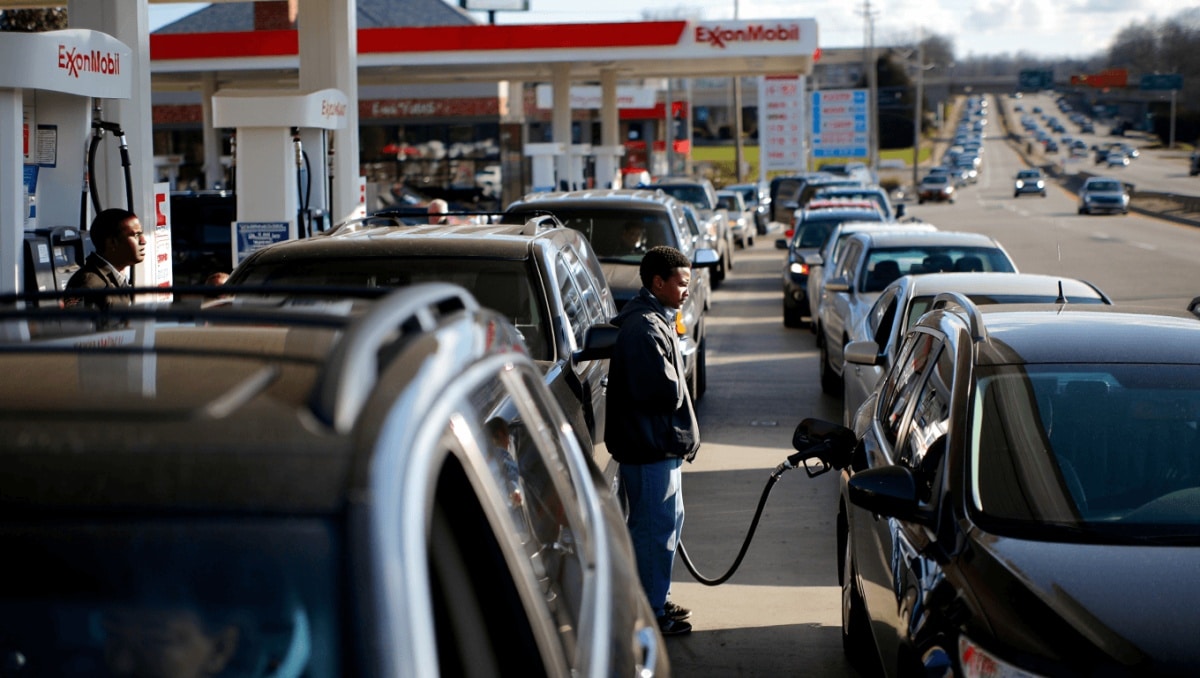
ExxonMobil’s senior vice president warned investors and consumers on Thursday that global oil supplies are close to a critical low point and that crude prices could surge sharply in the weeks ahead — remarks that landed the same day the company’s shareholders approved moving its legal domicile from New Jersey to Texas. The potential price spike would have immediate consequences for gasoline costs, inflation readings and market volatility.
Speaking at a financial conference in New York, Neil Chapman said commercial stockpiles of crude and other fuels have been drawn down substantially and that governments’ releases from emergency reserves have only temporarily eased pressure. Once those buffers run out, Chapman argued, markets could suddenly reprice oil much higher.
Market observers heard a familiar refrain: supply cushions are shrinking while geopolitical and logistical risks remain. Chapman highlighted the risk that Brent crude — the global benchmark — could climb into the mid- to upper‑$100s per barrel and possibly toward the $150–$160 range if inventories continue to fall.
Global benchmark levels have moved around recently. Prices peaked earlier this year after conflict-related disruptions, then eased partly because several countries released oil from strategic reserves. Still, current prices remain well above where they were before the late‑winter escalation that lifted crude from the mid‑$70s per barrel.
Why this matters now: a sudden jump in crude would quickly filter through to retail fuel, shipping and air travel costs and could complicate central banks’ efforts to tame inflation. Investors and policymakers are already watching weekly supply reports and diplomatic developments in the Middle East more closely than usual.
Exxon’s governance move was unrelated to the supply warning but notable for investors: shareholders approved re‑incorporation in Texas, aligning the company’s legal registration with the state where most of its operations and executives are based. Exxon has operated its headquarters in Texas for decades, and the company said the change better reflects its operational footprint and regulatory environment.
Shares showed only modest movement on the announcement, suggesting markets were focused more on near‑term oil fundamentals than on the corporate domicile shift.
| Period | Approx. Brent level | Primary drivers |
|---|---|---|
| Pre‑late‑Feb (before regional escalation) | $70s per barrel | Normal supply/demand balance |
| April (monthly average) | ~$115–$120 | Conflict risk and tighter markets |
| May (recent readings) | ~$100–$105 | Drawdown of commercial inventories plus SPR releases |
| Chapman’s forecast (weeks ahead) | $150–$160 (possible) | Inventories bottom out; limited additional SPR relief |
What to watch next:
- Weekly US Energy Information Administration stock reports for crude and refined products.
- Announcements about additional releases from national strategic petroleum reserves.
- Diplomatic or military developments in the Middle East that could threaten exports or shipping lanes.
- Any policy response from OPEC+ that affects production quotas.
- Upcoming inflation data that could be influenced by rising energy costs.
For consumers, the most immediate effect of a sustained move higher in crude would be rising pump prices. For governments and central banks, renewed upward pressure on energy costs would complicate an already delicate inflation picture. Energy companies, meanwhile, would likely see revenue improvements, though higher volatility could unsettle broader equity markets.
Chapman’s caution underscores how thin the margin for error has become in global oil markets: small supply disruptions or the end of emergency releases could prompt a rapid and meaningful reassessment of price risk.