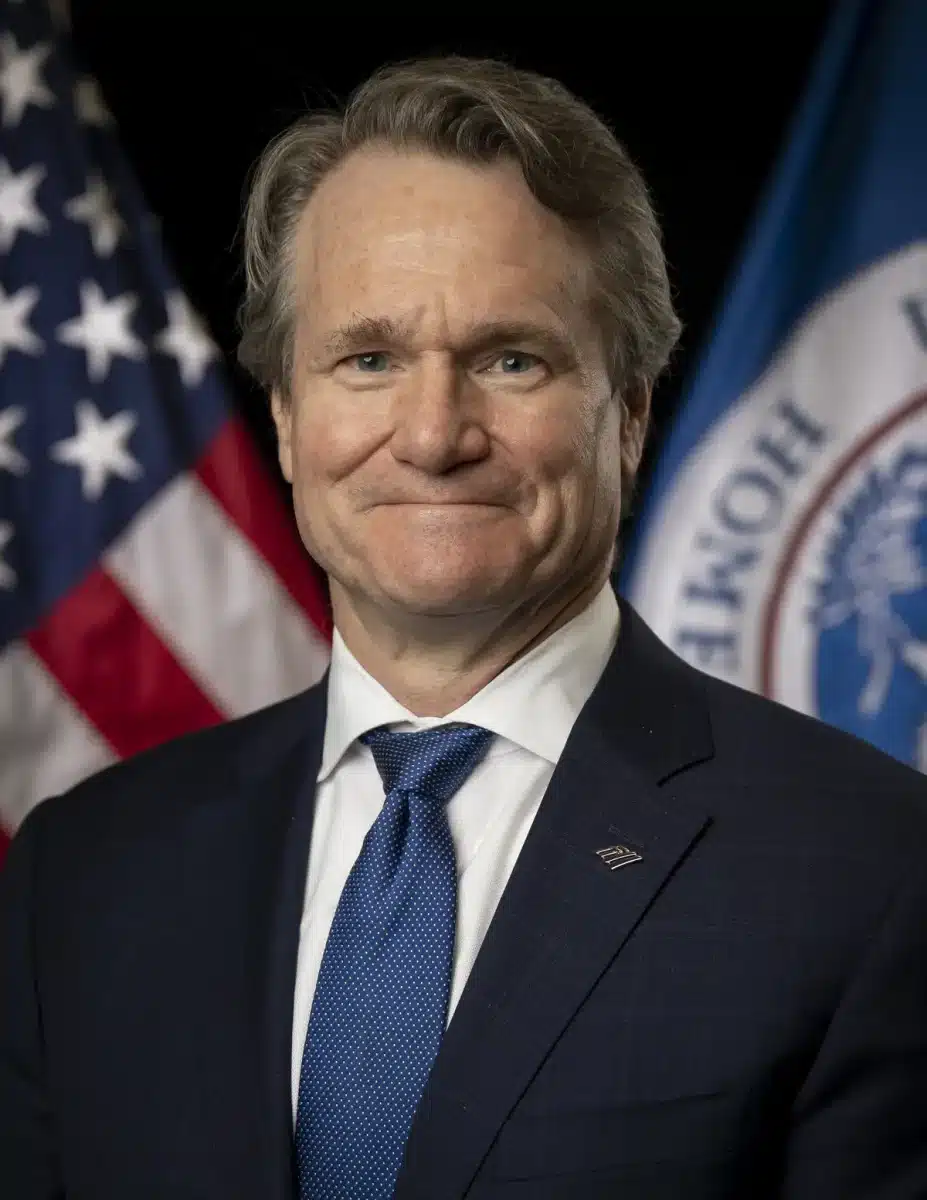
Bank of America CEO Brian Moynihan called the near collapse of high-flying AI hedge fund Situational Awareness a warning shot for financial markets fueled by elevated valuations and borrowed money, signaling that Wall Street’s largest prime brokers are already reexamining their exposure to highly leveraged investment firms.
Situational Awareness, run by 24-year-old Leopold Aschenbrenner, a former OpenAI researcher, saw its portfolio lose 67 percent of its value in July 2026 after souring bets on artificial intelligence stocks, according to Reuters and the Wall Street Journal. The fund, which had ballooned to a peak of $45 billion in assets, was forced to offload most of its $16 billion public equities book to rival hedge fund Citadel in a fire sale, with Citadel acquiring the positions at a reported 10 percent discount.
Moynihan told CNBC on August 5 that the Situational Awareness meltdown exposed the dangers of overleveraged markets. “These are all warning shots,” he said. “Valuations get out, leverage in the system gets there. You have to be careful.”
Bank of America was among the prime brokers for Situational Awareness, executing trades and providing the leverage the fund deployed to amplify its AI bets. Goldman Sachs and JPMorgan Chase also served as prime brokers for the fund. The meltdown unfolded as technology stocks pulled back in late July, triggering mounting margin calls from the prime brokers that forced Situational Awareness to sell positions into a falling market, accelerating losses and creating a downward spiral.
Situational Awareness held concentrated positions in AI hardware suppliers, including South Korean memory chip maker SK Hynix. Word of the fund’s distress sparked fresh selling in AI-related shares, raising fears that more stock could hit the market if positions were quickly unwound. Once Citadel stepped in on July 31, those concerns eased, and shares of several AI infrastructure companies rebounded sharply.
Moynihan’s comments suggest that prime brokers are already tightening their risk management. “You always look and say, ‘OK, what happened? Should we learn from it? Should it change?'” he said. “And so the tendency is to tighten the underwriting standards, just a hair, to adjust — especially with big run-ups in stocks.” Bank of America would have been “fine” even without the Citadel deal, which provided capital for Situational Awareness to pay off its prime brokers, Moynihan added.
The Situational Awareness collapse mirrors a pattern Ken Griffin’s Citadel has exploited repeatedly during market stress. The hedge fund stepped in to rescue Sowood Capital during the 2008 financial crisis, acquired the energy portfolio of failed hedge fund Amaranth Advisors after it lost $6.4 billion on natural gas trades, and injected $2.75 billion into Melvin Capital in 2021 alongside Steven Cohen’s Point72 Asset Management when Reddit-coordinated retail traders bet against Melvin’s GameStop short position, according to Reuters.
Despite the July losses, Situational Awareness remained up approximately 80 percent year-to-date, having posted a 439 percent gain through June. The fund retained its private investments, including a stake in AI safety company Anthropic estimated at about $5 billion. The public equity fire sale, however, underscores the hazards of leverage when market sentiment shifts abruptly. Aschenbrenner told investors in a letter seen by Reuters: “We let you down this month.”
Moynihan’s warning reflects broader concerns among financial regulators and bank executives about leverage in the system. Ray Dalio, founder of Bridgewater Associates, has warned of an AI bubble and US economic decline, while Situational Awareness sold its stock portfolio to Citadel after AI losses forced the unwind. The Situational Awareness episode illustrates how concentrated leverage in a single fund can create cascading effects across markets, particularly when the underlying thesis — in this case, unbridled AI stock appreciation — meets headwinds.
Sources
- CNBC — Moynihan’s direct comments on Situational Awareness as a warning shot, details on prime brokers, margin calls, and underwriting standards adjustments.
- Reuters — Situational Awareness portfolio loss of 67 percent in July, Citadel’s acquisition at 10 percent discount, Aschenbrenner’s letter to investors, and historical context on Citadel’s crisis rescues.
- Wall Street Journal — Confirmation of Situational Awareness’s 67 percent July loss.