Ken Griffin’s Citadel has purchased a significant portion of the artificial-intelligence stocks held by Situational Awareness, the hedge fund led by former OpenAI researcher Leopold Aschenbrenner, according to Bloomberg. The transaction occurred as Situational Awareness liquidated public equities following losses in a recent AI stock rout that has swept through technology markets.
Situational Awareness, which manages roughly $20 billion in assets, delivered a 439 percent net return in the first half of 2026, according to an investor letter reviewed by the Financial Times. Despite that stellar performance, the fund has not been immune to the sharp pullback in AI-related stocks that began in mid-July and accelerated through the end of the month.
The fund, founded in late 2024 by Aschenbrenner after his departure from OpenAI’s Superalignment team, has focused its strategy on betting infrastructure and companies positioned to benefit from artificial general intelligence development. Early investors included Stripe co-founders Patrick and John Collison, former GitHub CEO Nat Friedman, and investor Daniel Gross. Jane Street later joined as an investor, marking a notable move given how rarely the firm backs external managers.
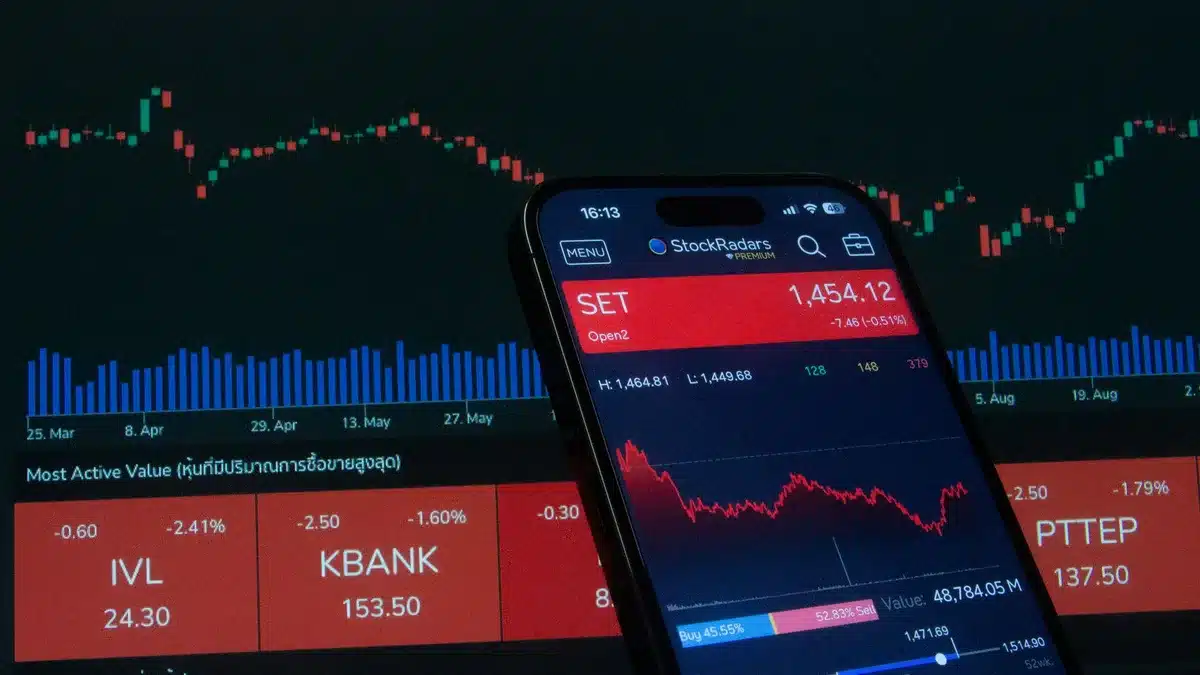
The recent AI sell-off has disrupted what was one of the strongest runs in hedge fund history. Alphabet fell 4.4 percent in mid-July on reports its flagship AI model Gemini 3.5 Pro was months behind schedule, triggering a broader rotation out of technology and semiconductor stocks. Memory chip stocks led the sharp selloff in AI-related names, according to reports from mid-July, marking a reversal of the AI momentum trade that had driven gains throughout the first half of 2026.
Situational Awareness had deployed $7.68 billion in net new capital during the first quarter of 2026 and held public positions in names including Riot Platforms, Core Scientific, CleanSpark, Bloom Energy, AMD, and Oracle. The fund also maintained private stakes in Anthropic and other venture-backed firms focused on AI infrastructure. Some of these same positions that contributed to the first-half gains have come under pressure during the recent decline.
In an investor letter dated July 24, Aschenbrenner acknowledged that the fund had “not been immune” to recent market swings and disclosed that Situational Awareness had used borrowing to magnify its returns—a strategy that can amplify losses when markets reverse. He framed the recent sell-off as creating some of the most attractive opportunities since early 2025 and invited investors to commit additional capital beginning August 1, according to the Financial Times report. Aschenbrenner also highlighted a possible initial public offering of Anthropic as a potential catalyst.

Citadel’s purchase of Situational Awareness’s AI stocks represents a move by one of the world’s largest hedge funds to accumulate positions at depressed valuations during the selloff. Citadel’s own hedge funds delivered broad gains in the first half of 2026, with the flagship Wellington fund returning approximately 11.2 percent, according to reports. The firm’s tactical trading strategy was said to have sidestepped some of the losses that hit quant-focused competitors.
Sources
- Bloomberg — Citadel’s purchase of AI stocks from Situational Awareness and details of the fund’s liquidation amid the rout
- Disruption Banking — Situational Awareness’s 439% first-half return, investor letter details, fund background, and capital raise
- Financial Times — Investor letter from July 24 reviewed by Disruption Banking, confirming H1 returns and capital raise details
- Reuters, Fortune, Barron’s, New York Times — Details on the AI stock rout, Alphabet’s Gemini delay, and the broader tech selloff in mid-to-late July 2026
- eFinancial Careers — Background on Leopold Aschenbrenner and his role at OpenAI