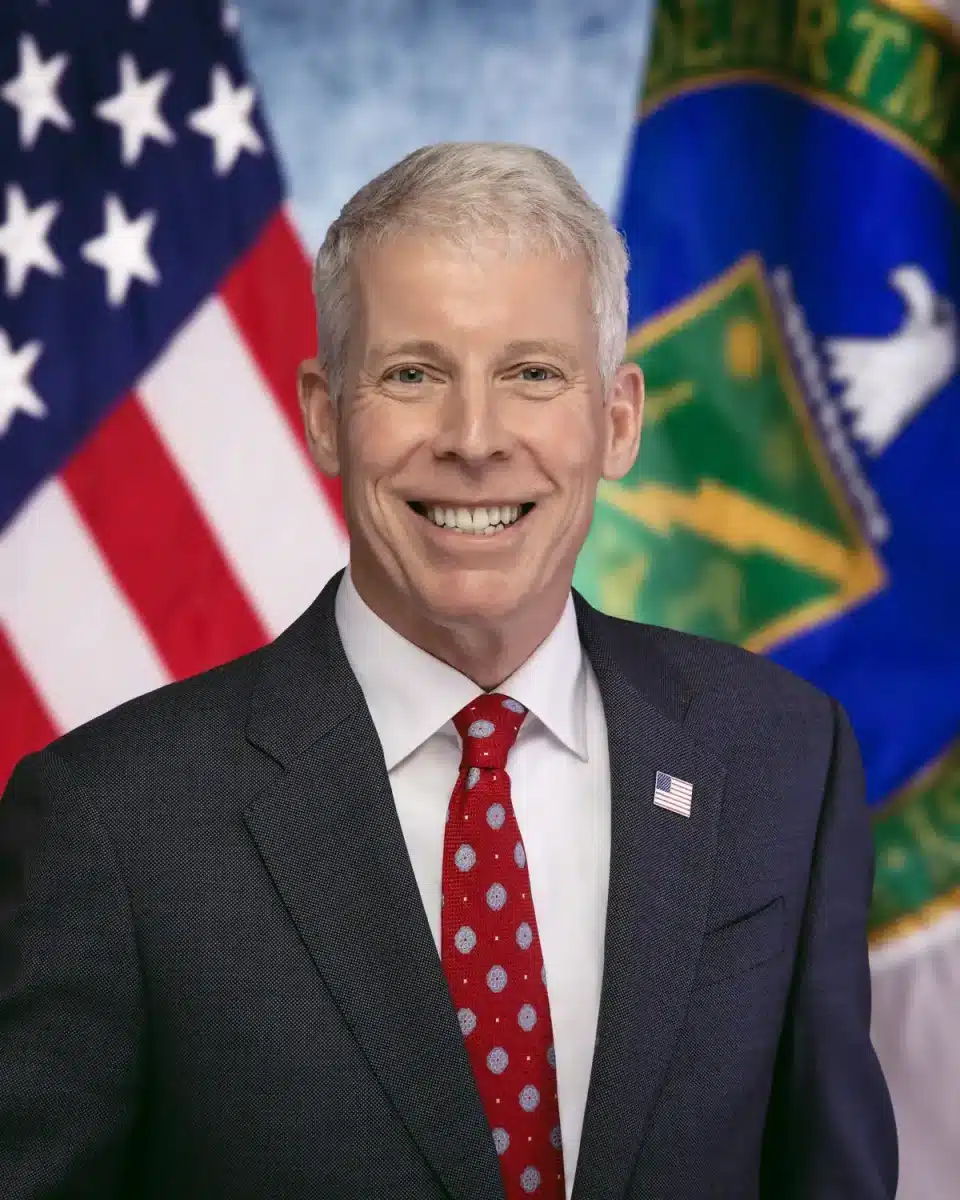
U.S. Energy Secretary Chris Wright said on Tuesday that fuel prices should come down in the coming weeks, citing policy measures the Trump administration is pursuing to ease energy costs for consumers.
Speaking at a press conference in Brownsville, Texas, on August 4, Wright noted that another temporary extension of the Jones Act waiver is likely and has already resulted in lower energy prices in California and on the U.S. East Coast, according to Reuters.
Wright defended President Trump’s recent public pressure on oil companies. “President Trump believes in markets and he believes in capitalism. But he’ll use every tool he has, including the bully pulpit, to try to encourage and put pressure to lower energy prices for Americans. I’m proud of his passion,” Wright said in response to Trump’s calls for ExxonMobil and Chevron to cut pump prices.
The Iran War and Energy Markets
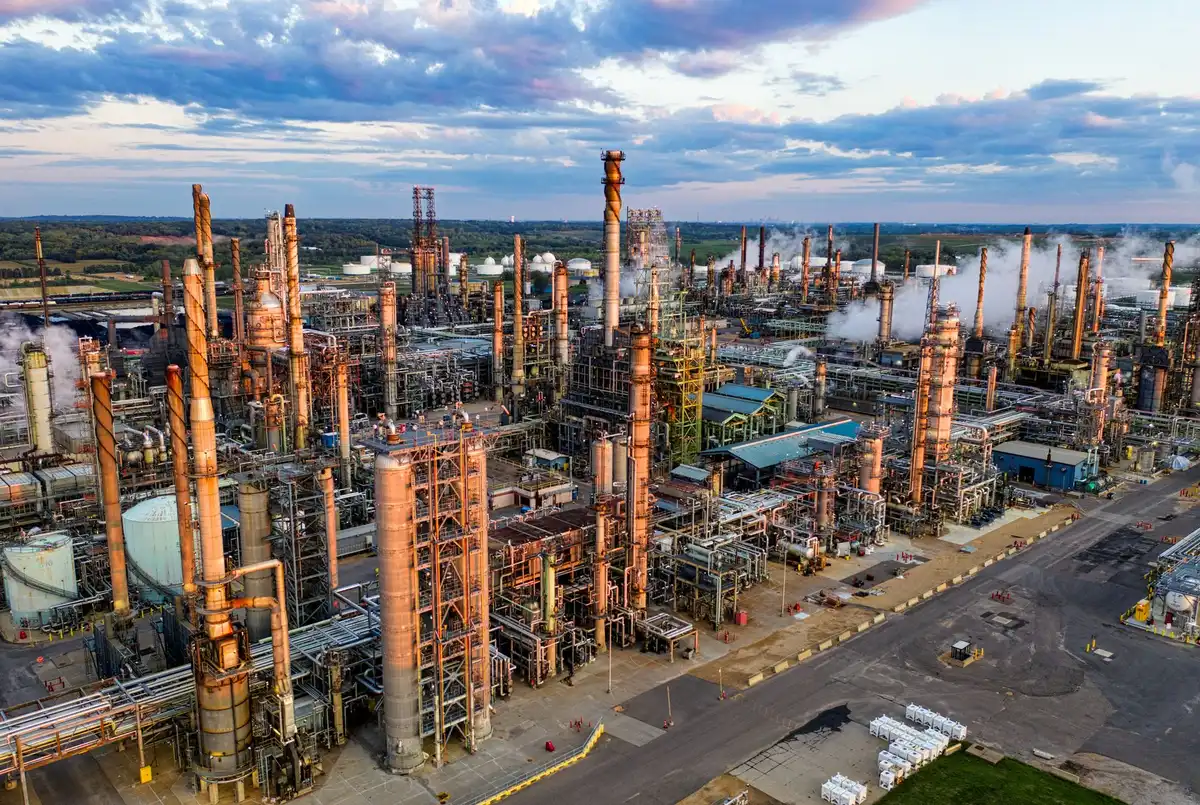
Fuel prices have remained elevated throughout 2026 due to the ongoing conflict between the U.S.-Israel coalition and Iran, which began on February 28. The conflict has disrupted global oil supply severely, with the closure of the Strait of Hormuz—through which roughly one-quarter of the world’s oil passes—driving price spikes worldwide, according to reporting by the BBC, Al Jazeera, and the Bipartisan Policy Center.
U.S. diesel and jet fuel prices have risen 58% and 106% respectively since the war began, far exceeding gasoline price increases, the Bipartisan Policy Center reported in June 2026. The Iran conflict has shut in 14 million barrels per day of global oil supply.
Wright’s Track Record on Price Predictions
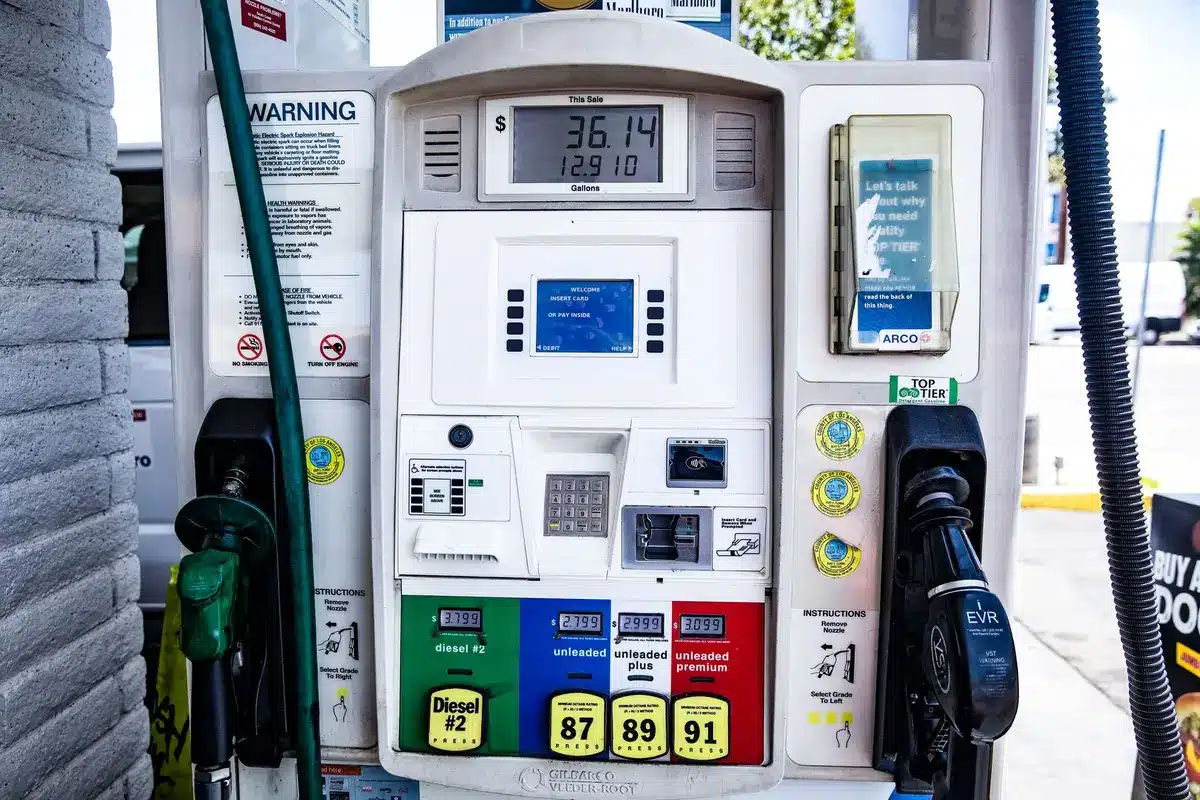
Wright’s latest forecast comes after a series of optimistic predictions that did not materialize. In early March 2026, he predicted gas prices would fall within “weeks, not months,” according to the New York Post. By mid-April, he reversed course, telling media that prices might not drop below $3 per gallon until 2027—a statement that prompted President Trump to publicly dispute him, calling him “totally wrong,” according to reporting from CNBC and the Alabama Media Group.
In May, Wright began walking back predictions altogether. “I’m long out of the business of predicting oil or gasoline prices,” he told reporters in June, according to ABC News. The administration has since shifted toward emphasizing policy tools—such as the Jones Act waiver—rather than making specific price forecasts.
Analysts and economists have cautioned that fuel prices remain tethered to global oil supply and geopolitical risk. Goldman Sachs projected in early August that Brent crude could remain in the $80–$90 range until either a U.S.-Iran deal is reached or the conflict escalates further, according to Reuters reporting.
Sources
- Reuters — Energy Secretary Wright’s statement on August 4, 2026, about fuel prices falling in coming weeks, the Jones Act waiver extension, and Trump’s pressure on oil companies.
- Bipartisan Policy Center — Data on diesel and jet fuel price increases (58% and 106% respectively) and the 14 million barrels per day of global oil supply shut in by the Iran conflict.
- BBC — Reporting on the Strait of Hormuz closure and its role in fuel price increases.
- Al Jazeera — Context on petrol and oil price rises tied to U.S.-Iran tensions and the Strait of Hormuz disruption.
- New York Post — Wright’s March 2026 prediction that gas prices would fall within “weeks, not months.”
- CNBC — Wright’s April statement that prices might not drop below $3 per gallon until 2027.
- Alabama Media Group — Trump’s public criticism of Wright’s April forecast, calling him “totally wrong.”
- ABC News — Wright’s June 2026 statement that he is “long out of the business of predicting oil or gasoline prices.”