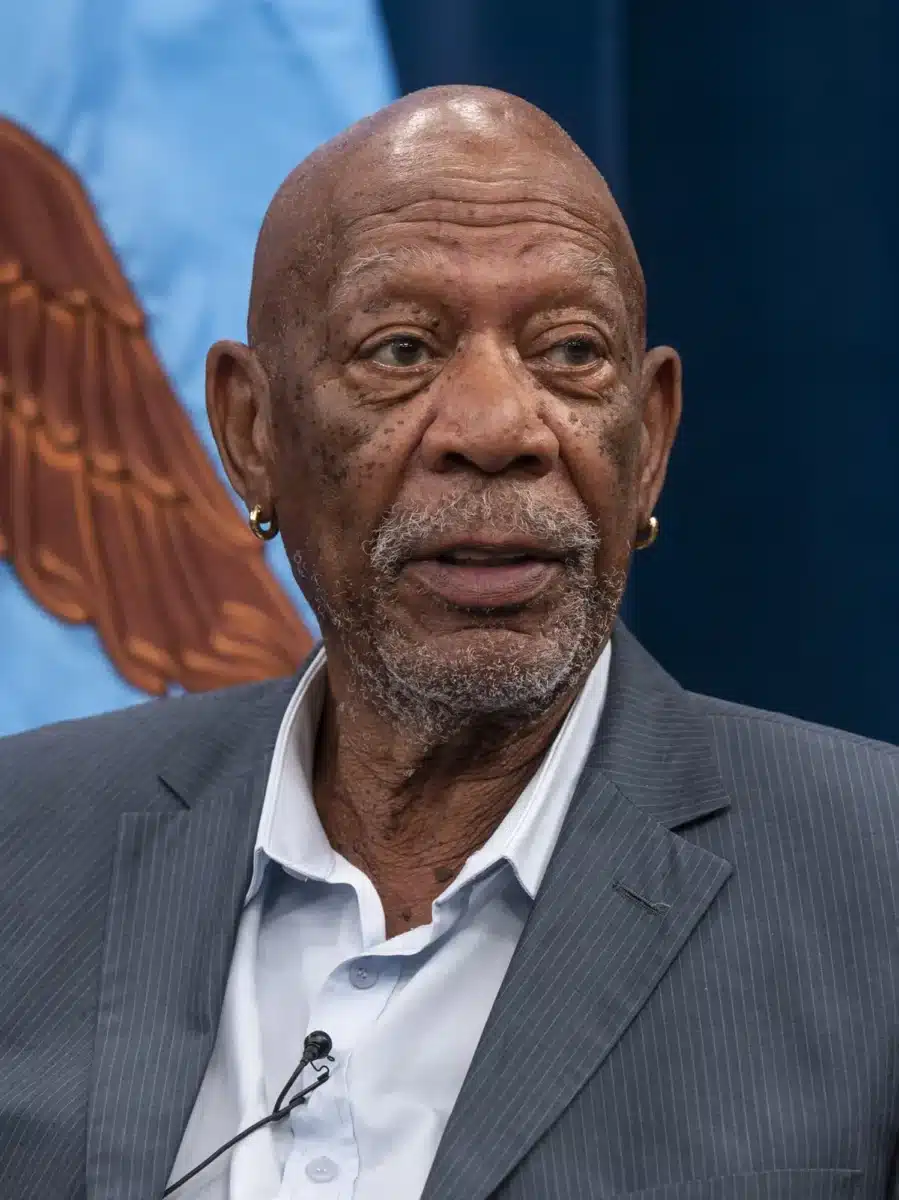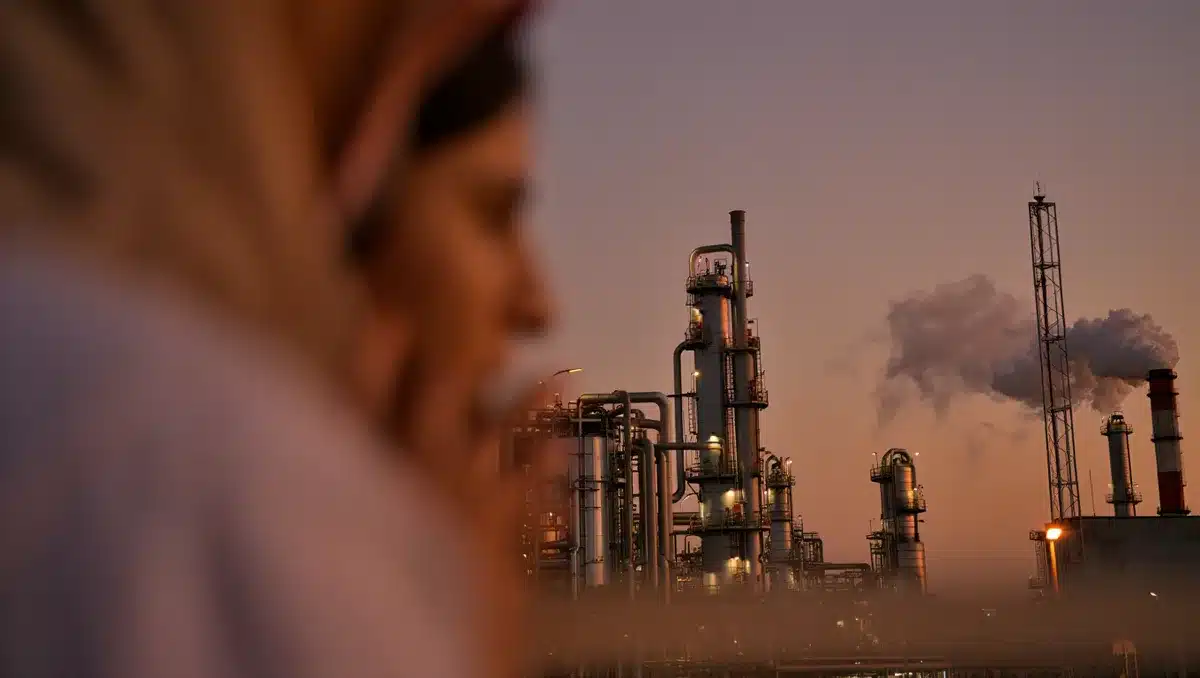
President Donald Trump on August 3 criticized major oil companies for “making too much money” from the Iran war, targeting ExxonMobil and Chevron after both reported record second-quarter profits driven by elevated crude prices from the ongoing conflict.
“They’re making too much money based on a shortage,” Trump said from the Oval Office. “I don’t like it. And I should be the last one to say it because I’m a big free enterprise guy, nobody bigger.”

ExxonMobil reported $14.5 billion in second-quarter profits, more than double the $7.1 billion it earned in the same period of 2025. Chevron posted $12 billion in second-quarter earnings, a 380% increase from $2.5 billion in Q2 2025. Trump singled out Chevron’s performance, noting that “one company, where they made 12 times what they made the year before,” should “give some of that back to the public” and cut retail prices.
The criticism marks a notable shift: Trump has adopted rhetoric long associated with Democrats, who have consistently attacked oil industry profits during energy crises. In 2022, President Joe Biden warned of a windfall tax on oil companies profiteering from the Russia-Ukraine war, saying they were exploiting the conflict to boost earnings. Trump himself directed the Justice Department in June 2026 to investigate oil companies for potential price gouging.
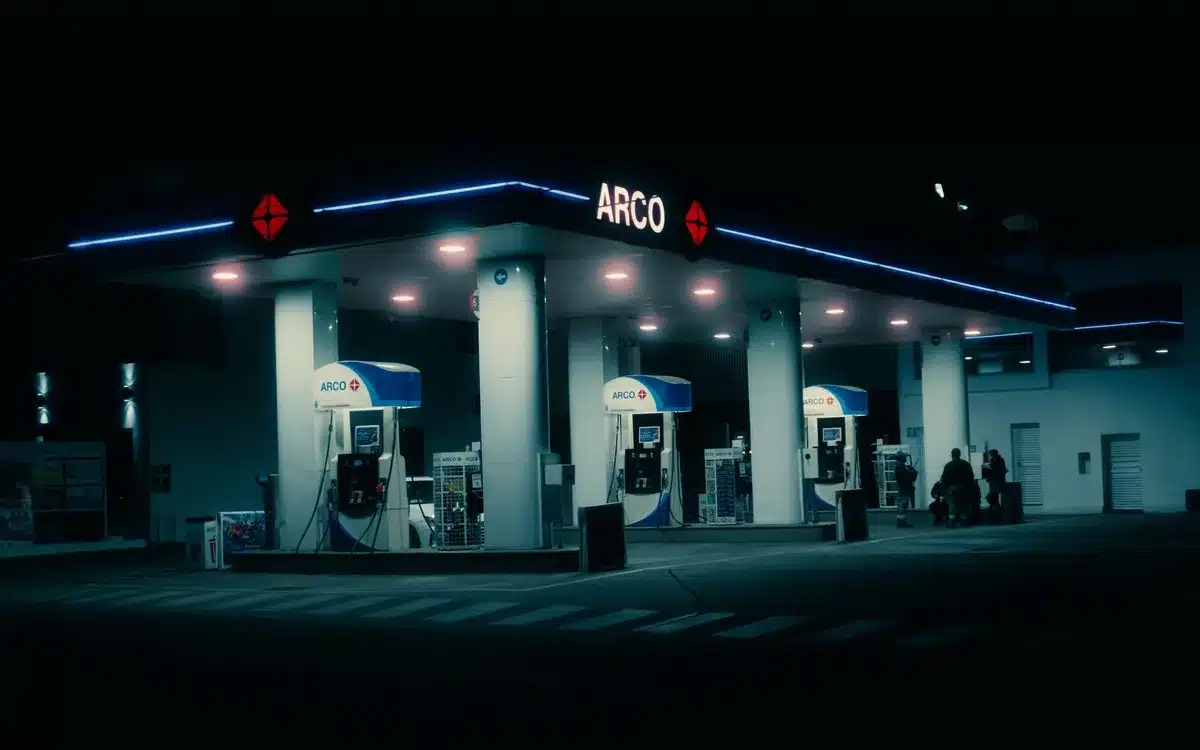
The political pressure is mounting because gas prices remain a significant vulnerability for Trump ahead of midterm elections. The average price for a gallon of regular gasoline stood at $4.10 on August 3, compared to $2.98 before Trump launched the first U.S. airstrikes against Iran in February 2026. Trump has long predicted that oil prices will “drop through the floor” when the war with Iran ends.
Oil executives have privately expressed concern about Trump’s public comments, according to reporting from the Wall Street Journal, explaining that the fuel supply chain operates as a slow-moving system and companies do not unilaterally set prices. However, Trump’s call for lower pump prices reflects the broader political reality: consumers are paying significantly more for energy as a direct consequence of the conflict, and major oil producers are capturing windfall gains from supply disruptions.
A Precedent in Biden’s Approach
Trump’s criticism echoes Biden’s 2022 response to record oil profits during the Ukraine war. In June 2022, Biden chastised major oil companies for profiteering, and by November 2022, he warned Congress that oil companies making record profits amid the Russia-Ukraine war justified a windfall tax. The dynamic then—and now—centers on the tension between free-market principles and the political cost of high energy prices during wartime.
The Iran war has been a financial bonanza for the oil industry. According to NPR, the world’s top 100 oil and gas companies made $30 million every hour in excess profits during the early days of the U.S.-Israeli conflict. That windfall has drawn calls from lawmakers for a windfall profits tax, though no such measure has been enacted. Trump’s public criticism of oil companies, while sharp, has not yet translated into proposed legislation or executive action to cap prices or redistribute profits.
Sources
- USA Today — Trump’s August 3 remarks criticizing Exxon and Chevron, profit figures for both companies
- NPR — Earnings reports for Q2 2026 and historical oil industry windfall data
- Fortune — Confirmation of ExxonMobil and Chevron Q2 2026 profit figures
- Al Jazeera — Biden’s 2022 windfall tax warning during Ukraine war
- Wall Street Journal — Trump’s June 2026 DOJ investigation order and oil executive concerns
- ALREADY_RETRIEVED — Iran war timeline, oil price movements, and Trump’s prior statements on energy prices