NVIDIA stock surged in premarket and after-hours trading on August 5, 2026, following SpaceX’s announcement of an exclusive partnership to build all of its AI infrastructure exclusively on NVIDIA chips. During SpaceX’s first earnings call as a public company on August 4, CEO Elon Musk confirmed the commitment, stating SpaceX will use NVIDIA GPUs “because we think the Vera Rubin architecture is the best architecture.” NVIDIA shares rose approximately 2 to 3 percent on the news, reaching $215 per share in premarket trading, according to Barron’s and other sources.
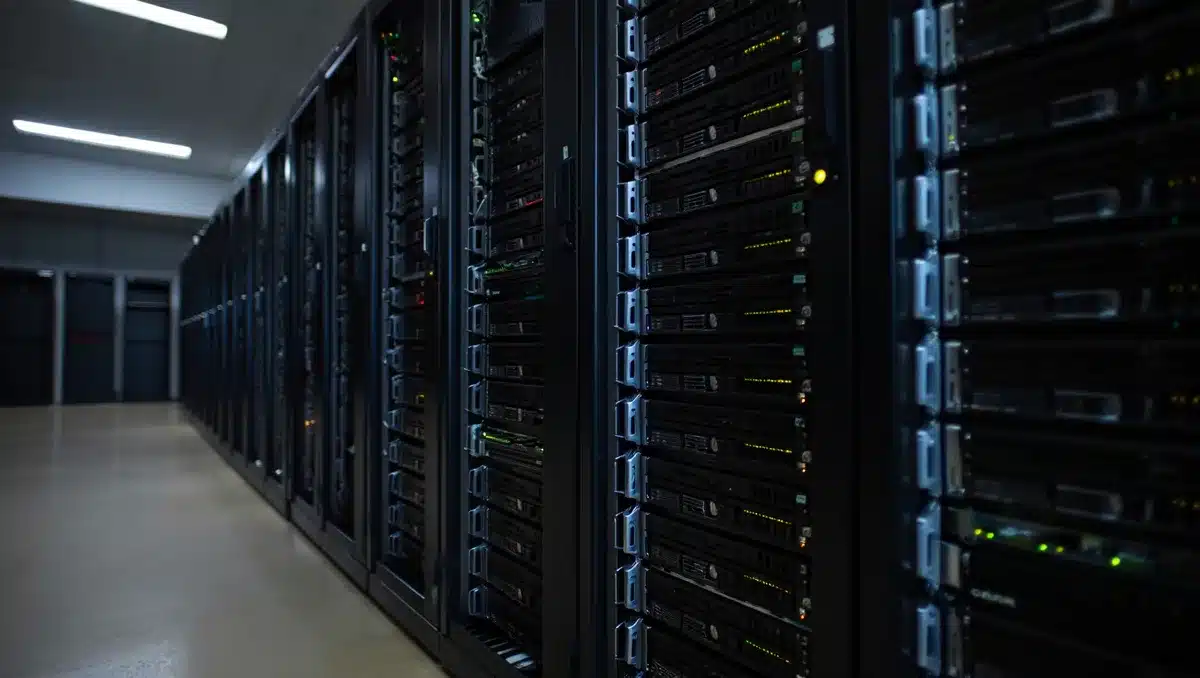
The partnership centers on NVIDIA’s Vera Rubin NVL72 rack system, codenamed Kyber, which will power SpaceX’s AI data centers both on Earth and in orbit. Musk said SpaceX expects to deploy approximately 2 gigawatts of compute capacity by the end of 2026, scaling to roughly 10 gigawatts by the end of 2027. The exclusive commitment underscores NVIDIA’s dominant position in AI chip supply as major technology companies race to build out data center capacity to support large language models and other AI applications.
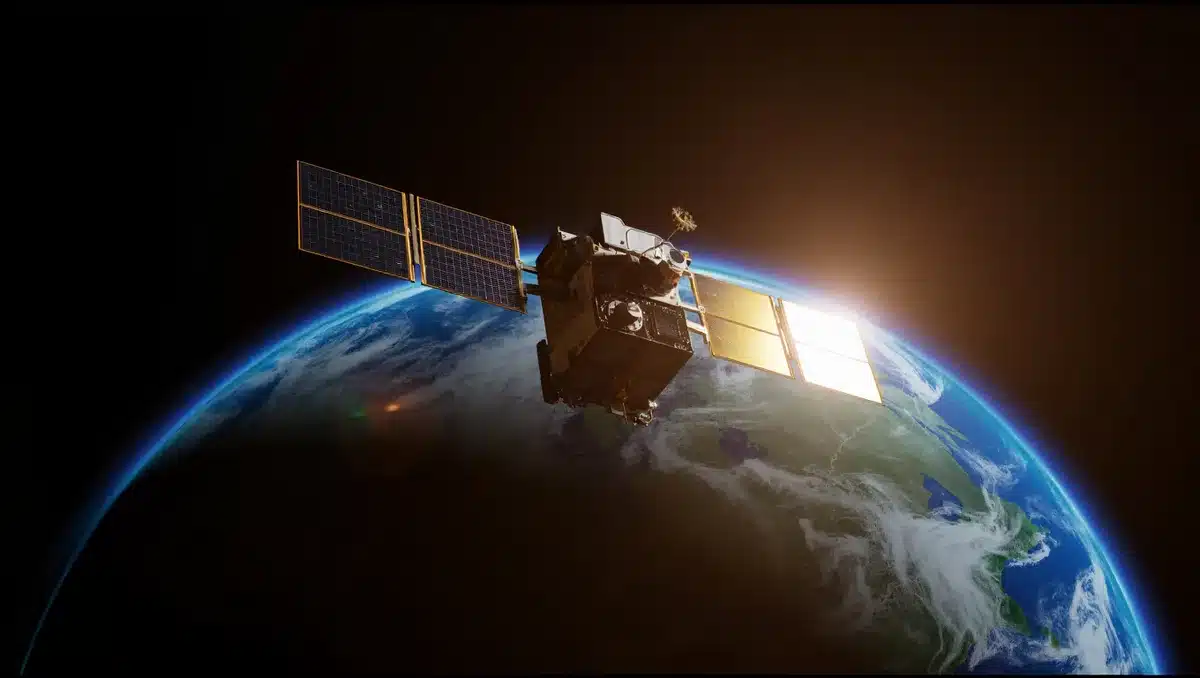
The deal extends to SpaceX’s Starmind AI satellite constellation, which the company is developing to run AI workloads directly in orbit. Each Starmind satellite will carry NVIDIA’s Rubin GPUs and Vera CPUs, according to renderings released with the announcement. This orbital compute approach addresses bottlenecks facing terrestrial data centers—namely power, land, and cooling constraints. SpaceX plans to begin launching Vera Rubin-powered Starmind satellites in 2027.
Musk added that SpaceX will receive a significant percentage of NVIDIA’s GPUs next year, indicating that the space company could make up a notable share of NVIDIA’s revenue. The move comes as SpaceX reported strong Q2 earnings, with revenues of $7.8 billion versus $6.7 billion expected, driven partly by its expanding AI compute agreements. The company is already leasing compute capacity to Anthropic and Google through its existing Colossus data center infrastructure.
The exclusive partnership also runs counter to the diversification strategy that large technology companies typically employ to reduce the risk of supply bottlenecks and dependence on a single vendor. By committing exclusively to NVIDIA, SpaceX cuts out rival chipmakers like Intel, AMD, and Broadcom. The partnership builds on a relationship spanning nearly a decade—NVIDIA supplied SpaceX with its first DGX-1 supercomputer in 2016.
Musk’s decision to go exclusive with NVIDIA comes roughly two weeks after he dismissed reports that SpaceX had ordered $52 billion worth of NVIDIA GPUs through Foxconn, calling the rumor “fake news” at the time. The underlying direction—a major NVIDIA GPU commitment from SpaceX—appears to have been correct, though the specific dollar figure remains undisclosed. The announcement also highlights NVIDIA CEO Jensen Huang’s repeated praise of Musk as an “extraordinary engineer” and his recognition of Musk’s work on xAI and Tesla products as “world-class.”
Sources
- ECIKS.org — SpaceX exclusive NVIDIA commitment, Vera Rubin architecture details, 2GW and 10GW deployment timelines, Starmind satellite announcement, and 2% stock gain
- Business Insider — Musk’s earnings call statement, exclusive commitment language, and context on NVIDIA’s relationship with Tesla and SpaceX
- Tom’s Hardware — Vera Rubin NVL72 specifications and orbital deployment timeline
- Teslarati — Starmind satellite GPU and CPU specifications
- Barron’s — NVIDIA stock price movement ($215 per share) and AMD comparison