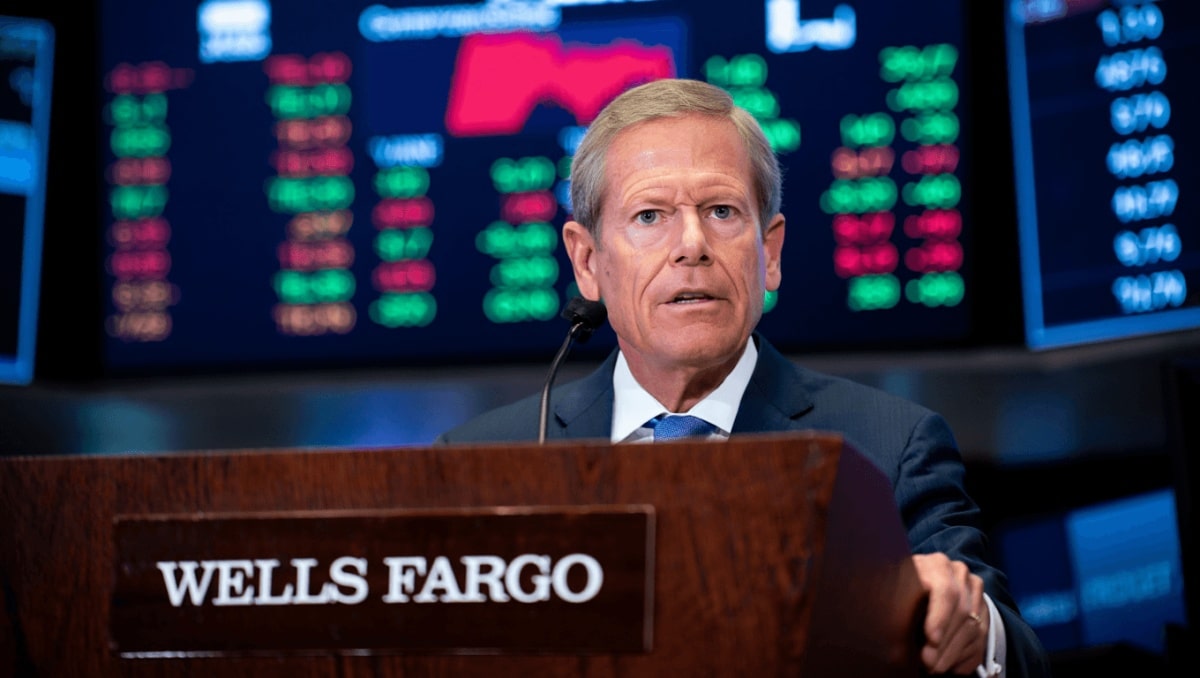
Wells Fargo’s chief executive says the U.S. economy is holding up even as oil prices surge and geopolitical tensions in the Middle East push markets into a jittery state. The comments, made on Tuesday, highlight a widening gulf between financial-market volatility and everyday economic signals that matter to households.
Markets uneasy, consumers resilient
Charlie Scharf told Fox Business that while investors are reacting to the oil shock and regional instability, the underlying economy shows few signs of distress. Households continue to spend, wage growth remains intact and loan delinquencies are low — all indicators he cited as evidence that consumers and businesses are generally in good shape today.
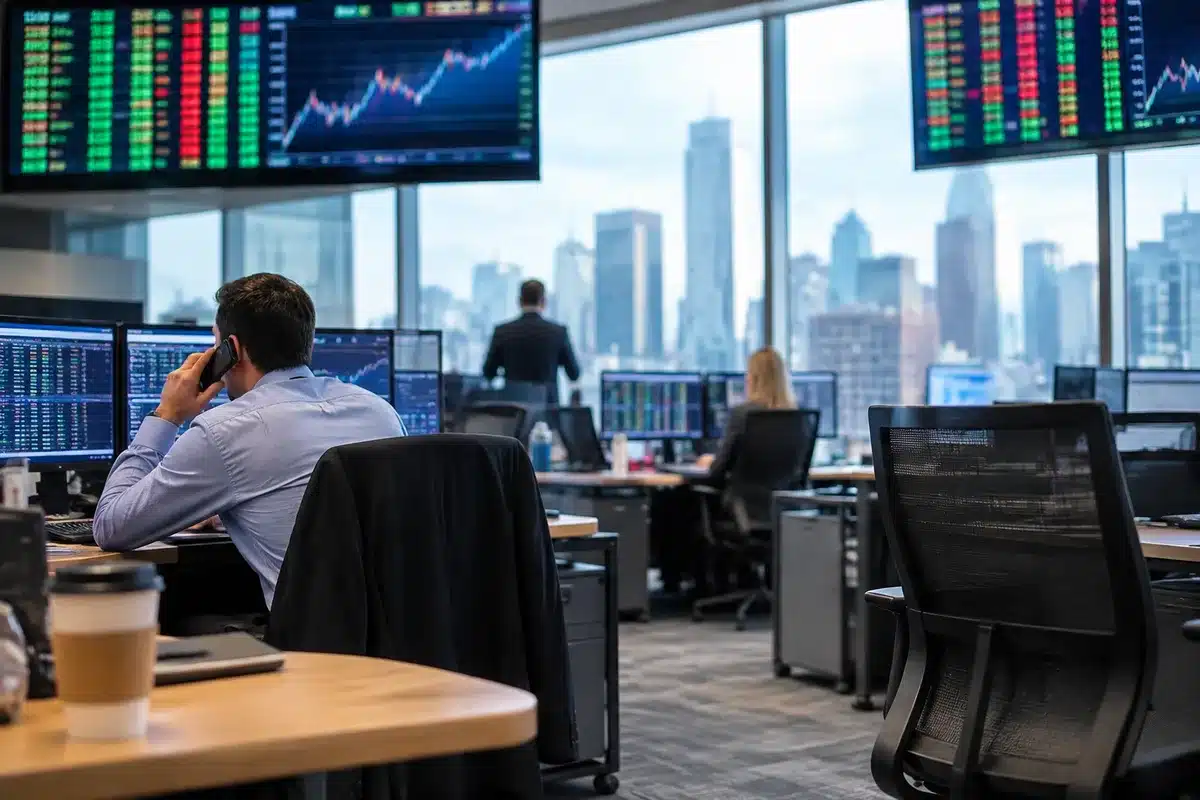
That picture, however, diverges sharply from trading floors. Oil has climbed sharply in recent weeks, pushing national pump prices above $4 per gallon and forcing households to absorb larger fuel bills. Traders have reacted to disruptions near the Strait of Hormuz, a strategic chokepoint whose restricted traffic has tightened supply expectations and amplified price swings.
Why the disconnect matters now
The split between market behavior and economic fundamentals is important because it shapes two very different risks. If volatility proves short-lived, the economy may sidestep serious harm. But if unrest persists and crude keeps rising, higher energy costs could erode consumer spending over time and translate market stress into real economic pain.
- Household budgets: Fuel costs are rising, directly reducing discretionary spending for many families.
- Market liquidity: Analysts report thin liquidity in energy markets, producing sharper price moves and wider trading spreads.
- Credit access: Policy proposals that cap credit card interest rates could restrict lending, altering credit availability for vulnerable borrowers.
- Bank health: Despite market jitters, loan performance metrics at major banks remain relatively stable for now.
Policy choices could change the outlook
Scharf also flagged a domestic risk unrelated to oil: a proposed cap on credit card interest rates. He warned that a rigid ceiling could reduce the amount of credit available to consumers who rely on it most, potentially creating “a crunch” for borrowers rather than improving affordability.
That concern underscores a broader theme: even when headline macro indicators look healthy, regulatory moves and persistent external shocks can shift conditions quickly — and unevenly — across households, lenders and markets.
Longer-term view: banks and AI spending
Looking beyond the immediate risks, Scharf expressed confidence in Wells Fargo’s growth path for the year and pointed to large-scale investments in artificial intelligence infrastructure as a future driver of demand. He estimated that building the necessary computing and data networks could require trillions of dollars in investment, a trend that could benefit big cloud providers that support large language models and other AI systems.
That investment theme gives banks and tech partners potential new revenue streams, even as short-term energy shocks and market fragility dominate headlines.
For now, the picture is one of divergence: financial markets are signaling caution, while many economic indicators—especially consumer spending and wage gains—remain sturdy. How long that gap persists will determine whether today’s volatility is a transitory market episode or the start of broader economic stress.