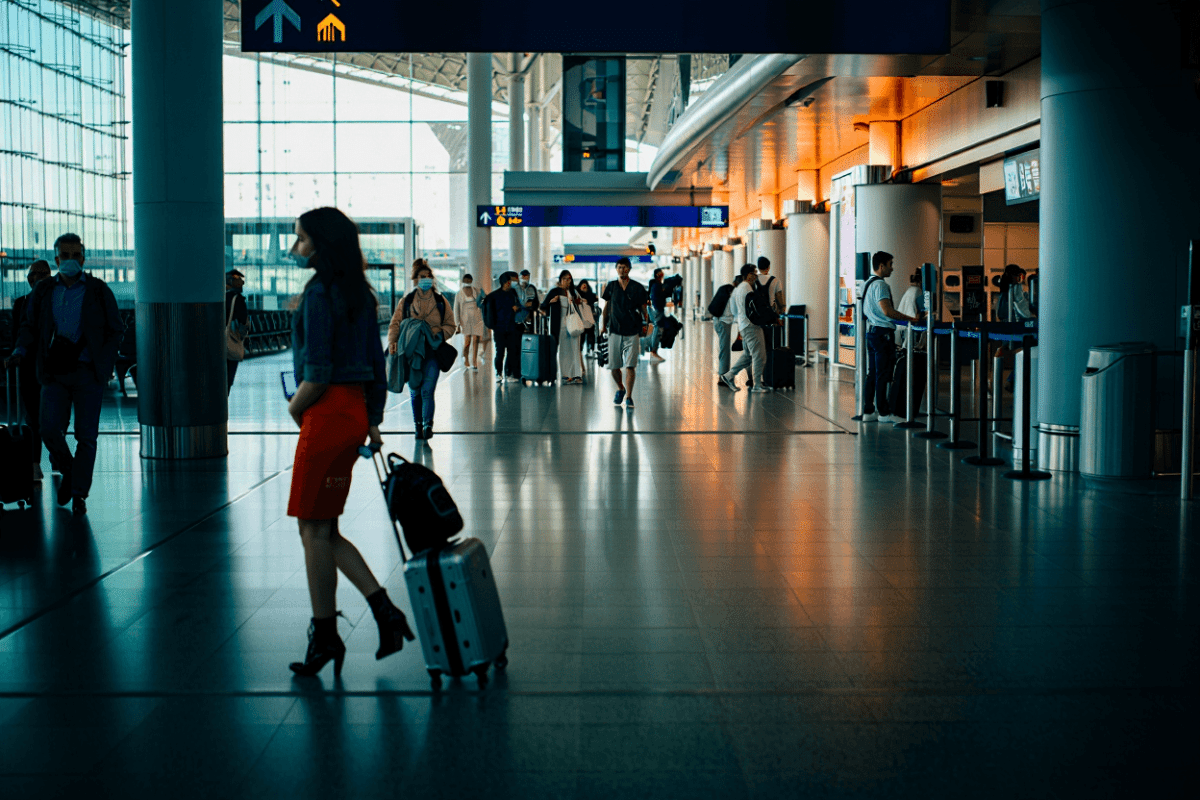
United Airlines flights at Houston’s George Bush Intercontinental Airport (IAH) experienced significant disruptions on May 25, 2026, as high-volume delays and FAA ground stop conditions cascaded throughout the afternoon. The airline reached out to affected passengers with flexible rebooking options as operational recovery continued into the evening hours. This incident highlights persistent challenges in airport capacity management during peak travel periods.
🔥 Quick Facts
- May 25, 2026: United Airlines flights delayed at Houston IAH airport
- George Bush Intercontinental Airport (IAH) issued FAA-mandated ground stops
- United’s rebooking assistance offered to passengers with operational disruptions
- Houston represents a major hub for United’s domestic operations
Why FAA Ground Stops Impact Airline Operations
Federal Aviation Administration ground stops are issued when airport capacity is exceeded or air traffic control operations face constraints. IAH, one of the busiest airports in the United States, occasionally reaches operational saturation during peak hours, triggering FAA directives that halt all departing flights for specified periods. These are different from airline-specific cancellations—they represent system-wide restrictions affecting all carriers operating from the facility.
Houston Bush airport has experienced multiple ground stop events this year, reflecting broader capacity challenges across major U.S. hubs. When ground stops are activated, cascading delays ripple through United’s network, as aircraft and crews scheduled for subsequent flights become unavailable, creating compounding operational issues throughout the day.
United Airlines’ Response to Operational Disruptions
United Airlines has implemented proactive passenger communication during operational disruptions, offering flexible rebooking options to mitigate inconvenience. The carrier works directly with affected customers to reroute passengers on alternative flights, though availability during high-impact events becomes constrained as system-wide delays compress available seats across competing departure options.
The airline’s customer commitment policies specify that FAA-mandated delays—caused by air traffic control decisions rather than airline operations—typically fall outside traditional delay compensation requirements. However, United continues to explore voluntary passenger assistance measures, including meal vouchers and rebooking flexibility, during extended disruptions as a goodwill gestures toward affected customers.
Operational Impact and Recovery Timeline
The afternoon ground stops at George Bush Intercontinental created a bottleneck effect for United’s Houston operations, with airline cost pressures making operational efficiency increasingly critical. As recovery efforts continued throughout the evening, United ground crews and flight operations teams worked to restore normal scheduling. The cascading nature of airport disruptions often requires partial evening service reductions, as recovery time lengthens when multiple ground stops occur within the same operating window.
| Aspect | Details |
| Airport Affected | George Bush Intercontinental (IAH), Houston, TX |
| Cause | FAA ground stop due to high-volume delays |
| Date | May 25, 2026 (afternoon) |
| Affected Airline | United Airlines primary hub operations |
| Passenger Assistance | Flexible rebooking and travel waivers offered |
“Due to the high volume of delays at IAH, United Airlines reached out to passengers with flexible rebooking options during operational recovery.”
— United Airlines Customer Response, May 25, 2026
What This Means for Houston-Based and Connecting Passengers
Houston IAH serves as a major hub for United Airlines, with hundreds of daily flights connecting passengers to domestic and international destinations. When ground stops occur, connecting passengers face the highest risk of missed connections, as inbound aircraft may arrive too late to make onward flights. United’s rebooking initiatives prioritize travelers with tight connections, but alternative flight availability depends on overall network availability and time of day.
Passengers flying through Houston should monitor their flight status regularly and contact United customer service immediately if operational changes occur. The airline’s mobile app and website provide real-time updates on departures and arrivals, while phone support remains available for complex rebooking requests involving multi-city itineraries or international connections.
How Houston Continues to Shape United’s 2026 Strategy
Repeated disruptions at major hubs like Houston underscore the infrastructure challenges facing large airlines in 2026. As FAA capacity constraints persist at congested airports, airlines continue exploring schedule optimization strategies to minimize ground stop exposure. United’s ongoing network adjustments and capacity reductions at certain airports reflect this reality, though Houston’s strategic importance as a domestic and international hub limits the airline’s flexibility to reduce operations significantly.
Going forward, passenger expectations for communication and flexibility during FAA-mandated disruptions will likely shape competitive differentiation among major carriers. United’s rebooking commitment demonstrates an effort to maintain customer trust despite operational constraints beyond the airline’s direct control.
Sources
- United Airlines – Official travel alerts and customer commitment policies
- Federal Aviation Administration (FAA) – Ground stop status and air traffic control decisions
- George Bush Intercontinental Airport – Real-time operational status and airport alerts
- FlightAware – Live flight tracking and disruption analytics