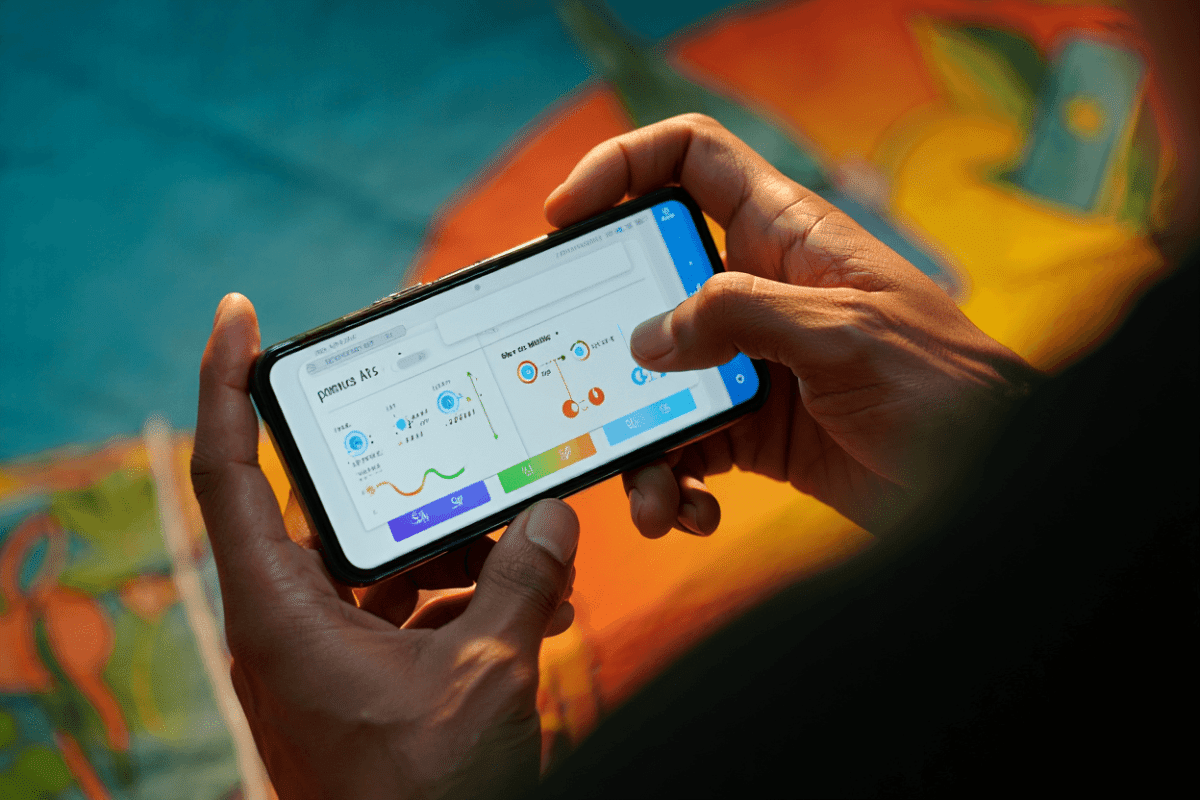
Insurance companies are transforming how they engage customers by turning healthy habits into interactive games. Life insurers, health plans, and auto insurers now reward policyholders with points, discounts, and lower premiums for completing wellness activities, safe driving, and fitness milestones. A major life insurance company launched a gamified wellness program just this week, allowing members to earn rewards like smartwatch discounts and gift cards through health tracking. This trend reflects a deeper shift in insurance toward preventive care, personalized engagement, and behavioral incentives.
🔥 Quick Facts
- Global wellness incentive programs market valued at $5.2 billion in 2024
- Gamification increases customer retention by 22% when paired with points and badges
- Medical costs fall by approximately $3.27 for every $1 spent on workplace wellness programs
- 91% of companies report wellness programs reduce healthcare costs significantly
- Up to 30% premium discounts can be earned through ACA wellness program participation
Why Insurance Companies Are Going All-In on Gamification
Insurance is shedding its image as a boring, transactional relationship. Today’s model rewards behavior change through interactive platforms that feel more like fitness apps than traditional coverage. Health insurers, auto insurers, and life insurers discovered a simple truth: people are more likely to stay healthy and drive safely when incentivized with tangible rewards.
The strategy addresses a critical industry challenge: preventive care reduces claims. When a health insurance member completes a wellness screening, exercises regularly, or achieves fitness milestones, they’re less likely to develop costly chronic conditions. Similarly, auto insurance customers who drive safely through telematics programs generate fewer accident claims. Life insurance customers who maintain fitness and health metrics represent lower-mortality risk pools.
As insurance costs continue rising across auto, health, and home coverage in 2026, insurers are using gamification to create loyalty while simultaneously managing claims expenses. the broader trend of rising premiums has made insurers more competitive, and wellness rewards programs represent a differentiation strategy.
How Gamified Insurance Rewards Work Across Three Insurance Types
The mechanics vary by insurance type, but the core formula remains consistent: participate in defined activities, accumulate points, unlock rewards. Here’s how it functions across the major segments:
Health Insurance: Members track fitness activities, complete health screenings, attend wellness classes, or hit daily step goals using connected smartwatches and fitness apps. Cigna’s Healthy Rewards program offers discounts on wearable devices like Garmin trackers. UnitedHealthcare provides multiple redemption options from gift cards to gym memberships. ACA-compliant wellness programs can reward up to 30% of individual coverage costs or 50% of program-tied incentive costs per government regulations.
Auto Insurance: Progressive’s Snapshot program represents the most mature telematics platform, measuring driving behavior through smartphone sensors. Safe drivers—those who avoid hard braking, harsh acceleration, and nighttime driving—accumulate points toward discounts. The program qualifies within a 25-hour window and offers up to 30% off premiums for good drivers.
Life Insurance: John Hancock insurance pioneered wearable-linked life insurance, where policyholders earn rewards and potentially lower premiums by maintaining fitness levels tracked through Apple Watch, Fitbit, or Garmin devices. The concept extends beyond discounts to include gift cards and travel perks—making wellness feel rewarding rather than punitive.
Key Metrics: How Gamification Impacts Insurance Engagement and Costs
The data supporting gamified insurance programs is substantial. Studies reveal measurable impacts on customer behavior, retention, and cost management:
| Metric | Impact / Value | Source / Context |
| Global Market Size (2024) | $5.2 billion | Wellness Incentive Programs for Insurers market |
| Customer Retention Lift | +22% with badges and points | Gamification engagement studies (2026) |
| Trial Usage Increase | +54% lift | Gamified loyalty program adoption |
| Medical Cost ROI | $3.27 saved per $1 spent | Meta-analysis of workplace wellness programs |
| Companies Reporting Cost Reduction | 91% | 2026 wellness program survey |
| Max ACA Premium Discount | 30% – 50% | Health-contingent wellness program limits |
| Consumer Adoption (Gamified Programs) | 50%+ participation | One major insurer using CMT telematics |
The financial mathematics are compelling. A health insurance plan with 1,000 enrolled members seeing 91% report cost reductions and an average $3.27 savings per $1 spent on wellness programs means substantial ROI. For auto insurance customers, a 30% discount on a $1,200 annual premium equates to $360 in annual savings for safe driving—a powerful incentive to engage.
The Three-Tier Gamification Strategy: Points, Status, and Tangible Rewards
Successful gamified insurance programs operate on three psychological levers. First, points accumulation provides immediate feedback—every walk, screening, or safe drive logged yields visible progress. Second, tier advancement and badges unlock status: Bronze, Silver, Gold, or Platinum levels that unlock increasingly valuable perks. Third, tangible redemption options transform abstract points into real value: smartwatch discounts, Amazon gift cards, Starbucks vouchers, hotel deals, or lower premiums.
Insurers benefit from potentially lower claims due to preventive care participation. Meanwhile, individuals enjoy improved health, lower costs, and gamified engagement—a win-win model that addresses the core insurance tension between risk management and customer satisfaction.
“Points translate into tangible perks such as discounts on a new smartwatch, Amazon or Starbucks gift cards, hotel deals, savings at retail merchants—providing customers measurable value for their wellness participation.”
— Industry Analysis from Recent Insurance Gamification Reports, 2026
Market Growth and Future Implications for Insurance Customers
The wellness and activity-based health insurance market continues accelerating. Several ACA health plans introduced new wellness reward programs in January 2026, signaling broader industry adoption. Insurers are doubling down on preventive care by offering free annual check-ups, screenings, and discounts for maintaining healthy behaviors.
This shift carries important implications. As insurance policies increasingly tie premiums to demonstrated health and safety behaviors, customers face a dual opportunity: lower costs through participation, or higher premiums if they decline. The ethical framework remains regulated—ACA rules cap premium variations and protect individuals with pre-existing conditions—but the behavioral dimension of insurance is unmistakably increasing.
For younger, healthier individuals, gamified insurance represents genuine savings potential. For those unable or unwilling to participate, traditional pricing without behavioral discounts remains available, though potentially less attractive.
What Does This Mean for Insurance Shopping in 2026 and Beyond?
If you’re shopping for health, auto, or life insurance today, how should you evaluate gamified reward programs? First, calculate the true discount. A 30% premium reduction sounds impressive, but what effort does it require? Second, assess data privacy implications—most insurance apps collect location, health, or driving behavior data. Third, compare baseline premiums. A competitive insurer without gamification may offer lower starting rates than one relying on behavior discounts to attract customers.
The data is clear: gamified insurance programs work for engagement and cost reduction. But they’re most valuable when aligned with your existing healthy habits rather than requiring significant behavioral change for minimal savings.
Sources
- NPR – Life insurance company wellness gamification innovation
- OpenLoyalty.io – Insurance gamification and loyalty program case studies
- AlliedMarketResearch – Wellness and activity-based health insurance market analysis
- MarketIntelo – Global wellness incentive programs market size and growth
- PMC/NIH – Meta-analysis of workplace wellness program ROI and costs
- HealthInsurance.org – ACA wellness program rules and 2026 implementation
- Fox News Tech – Insurance app data collection and privacy considerations
- Progressive Insurance – Snapshot telematics program specifications