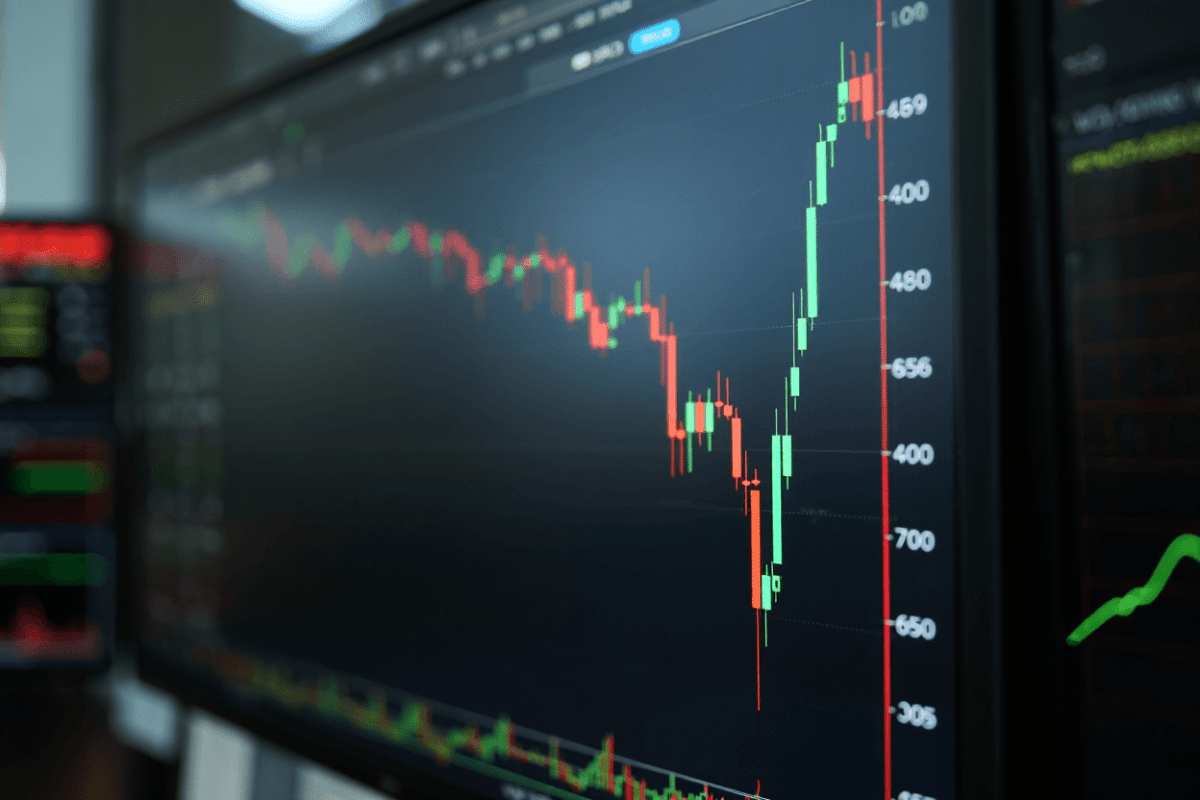
South Korea’s KOSPI stock index rebounded from bear market territory after a sharp correction, jumping nearly 5% on Friday to exit the technical bear market that had gripped the world’s best-performing equity index in 2026. Despite the recent turmoil, the KOSPI remains up around 76% year-to-date, maintaining its lead among global stock markets even after the volatile swing that saw the index plunge more than 20% from its record close of 9,114.55 on June 22.
The KOSPI entered bear market territory on July 8 when it fell 5.35% to close at 7,246.79, its lowest level since May 20, according to Reuters. The decline was triggered by sharp swings in chipmaker stocks driven by concerns over whether artificial intelligence spending can sustain its momentum. Samsung Electronics and SK Hynix, which together make up nearly half the KOSPI, saw steep losses as traders questioned the durability of the AI-driven chip boom that had powered much of 2026’s rally.
The Financial Times reported that South Korea fell into bear market as traders fretted over AI chipmakers’ prospects, with the Kospi retreating more than 20% from its June peak. Sentiment shifted sharply on concerns about risky investment products and the broader sustainability of the AI buildout, creating the kind of volatility that has marked the Korean market throughout 2026.
Friday’s rebound marked a swift reversal. The Economic Times reported that South Korea’s Kospi jumped nearly 5% on Friday to extend gains after the massive crash earlier in the week, with the index climbing back above the 20% threshold that defines bear market territory. The recovery came as sentiment shifted back toward AI-related equities and chipmakers rebounded from their lows.
The swiftness of the swing—from record highs in mid-June to bear market in early July and back out within days—reflects the intense concentration of KOSPI gains in a handful of semiconductor stocks. Samsung and SK Hynix drove roughly 70% of the index’s 2026 gains before the selloff, making the index particularly vulnerable to sentiment shifts around AI spending.
Yet despite the 20% drawdown and the recovery, the KOSPI’s year-to-date performance remains extraordinary. The Economic Times noted that Kospi continues to remain the world’s best performing stock market of 2026 so far, being up around 76% this year despite the recent crash. This performance extends a remarkable streak: the index gained 76% in 2025, its best annual return since 1999, and has nearly matched that gain in just the first half of 2026.
The bear market episode underscores the risks embedded in the KOSPI’s rally. Goldman Sachs, which raised its 12-month KOSPI target to 12,000 in early June, had flagged the index as its highest-conviction equity market in the region with 2026 earnings growth forecast at 300%—the strongest annual profit expansion in any Asian market since the recovery from the Asian financial crisis in 1999. Yet that forecast depends on sustained AI demand, the very assumption that shook investor confidence in early July.
Sources
- The Economic Times — reported KOSPI’s entry into bear market, the 5% Friday rebound exiting bear market, and year-to-date 76% gain
- Reuters — confirmed the 20% decline from June 22 record close of 9,114.55 and July 8 bear market entry with 5.35% close at 7,246.79
- Financial Times — reported traders’ concerns over AI chipmakers’ prospects and the 20% retreat from June peak
- CNBC — provided detail on chipmaker stock volatility and AI-related concerns driving the decline
- Goldman Sachs — raised 12-month KOSPI target to 12,000 and forecast 300% earnings growth for 2026