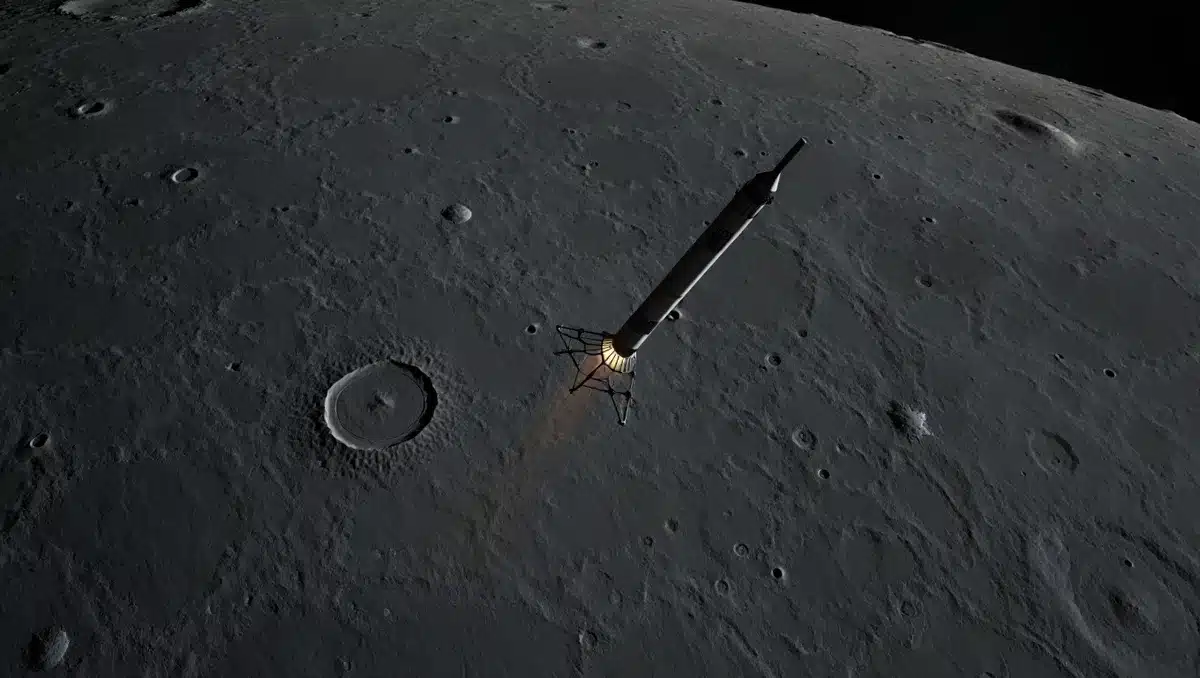
A SpaceX Falcon 9 upper stage is set to crash into the moon on August 5 at approximately 5,400 mph near Einstein Crater, according to space tracking expert Bill Gray. The spent rocket stage, which launched on January 15, 2025, carrying two private lunar landers, has been drifting through space for over a year after completing its mission.
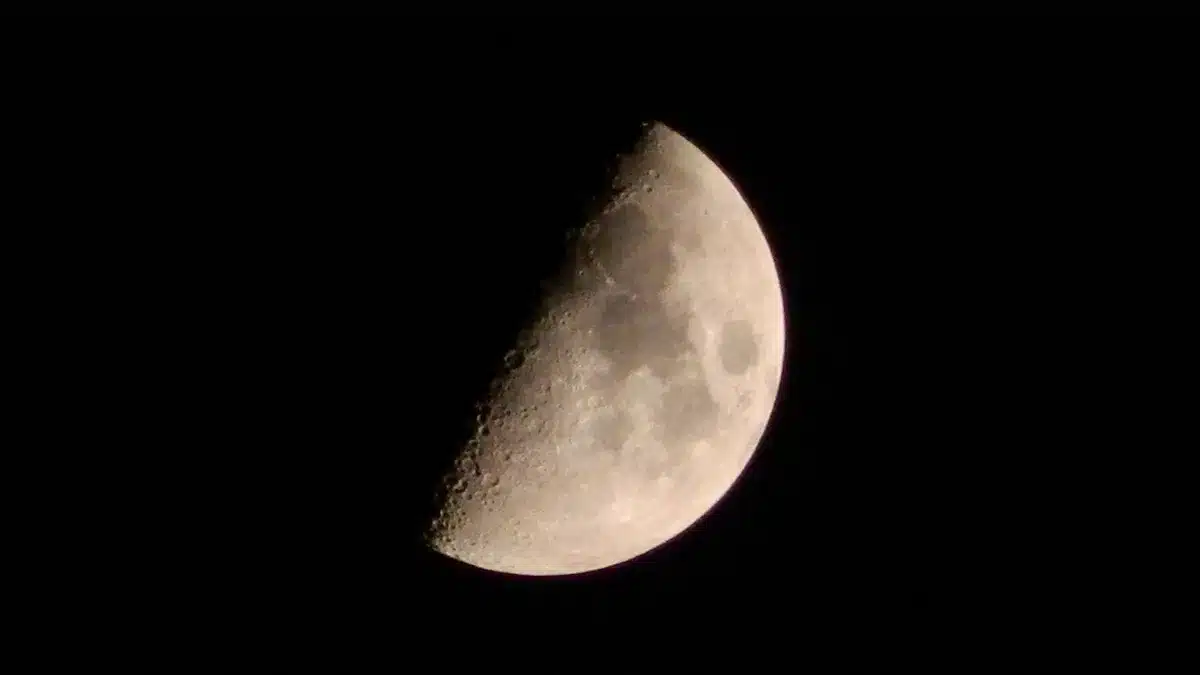
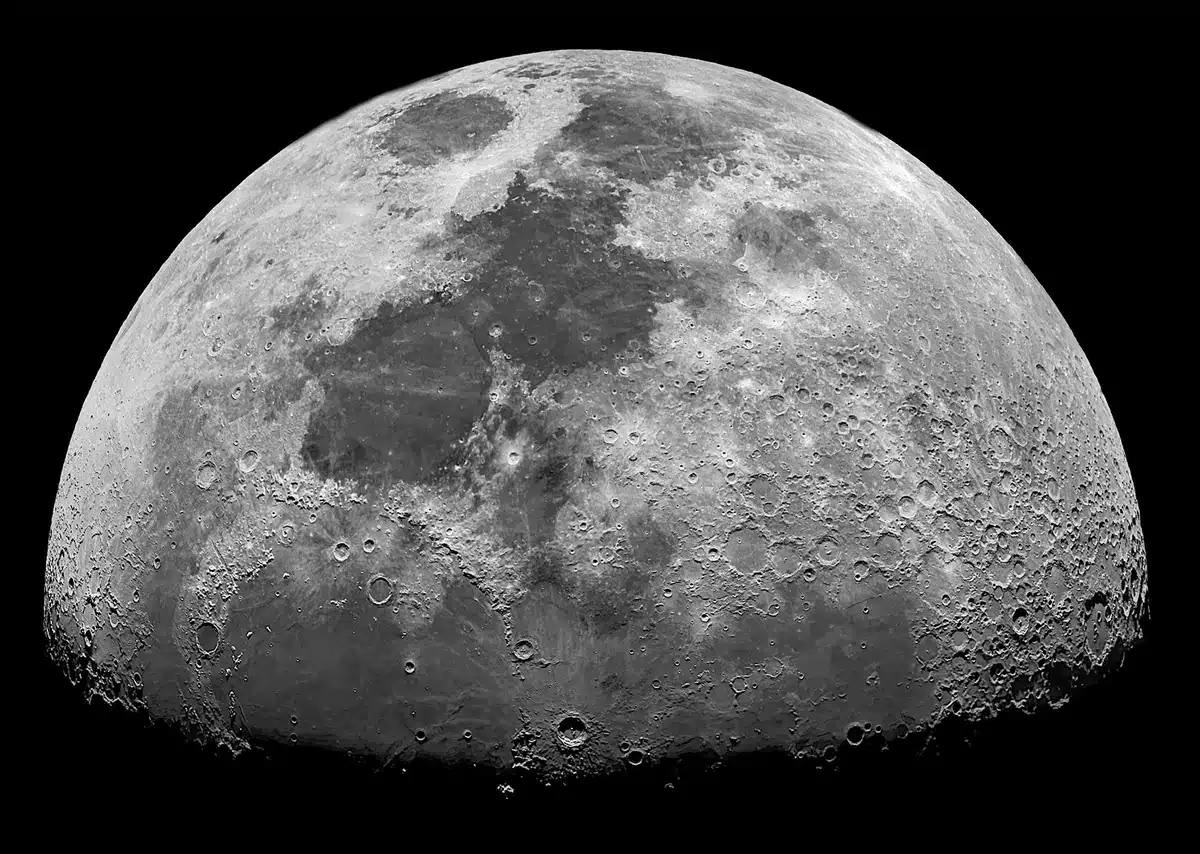
The impact will occur at around 2:34 a.m. ET on August 5 on the moon’s sunlit western limb, creating a crater 17 to 30 meters wide and ejecting subsurface lunar material that scientists hope to study. NASA’s Center for Near Earth Object Studies has confirmed the collision will happen near Einstein Crater, a heavily cratered region at the threshold between the lunar near side and far side.
The upper stage is the remnant of a mission that launched Firefly Aerospace’s Blue Ghost lunar lander and ispace’s Hakuto-R lander, both commercial missions carrying NASA equipment and scientific instruments. After completing its job of propelling the landers toward the moon, the 45-foot-tall stage became space debris, eventually falling into an orbit that would intersect with the lunar surface.
Gray’s prediction reflects his track record in orbital mechanics. In 2022, he accurately predicted that a Chinese rocket segment would impact the moon, demonstrating the precision of modern tracking software. The upcoming Falcon 9 impact will be only the second time astronomers have observed a known piece of debris strike the moon unintentionally, offering a rare opportunity to study the real-time physics of a high-speed collision.
Unlike the intentional crashes of spacecraft at the end of planned lunar missions—a practice dating back to Apollo-era seismic experiments—this collision is unplanned and uncontrolled. The impact will excavate fresh lunar regolith, potentially exposing subsurface material that could yield insights into the moon’s composition and structure. Astronomers around the world are preparing telescopes and instruments to capture the impact flash and ejecta plume that scientists expect to observe from Earth.
The collision underscores a growing concern about space debris accumulating near the moon. As commercial and government missions to the lunar surface increase, the risk of unintended impacts from spent rocket stages and other orbital debris poses both scientific and operational challenges for future lunar exploration.
Sources
- AP News — confirmed the August 5 impact date, 5,400 mph speed, and Bill Gray’s prediction near Einstein Crater
- Space.com — reported the Falcon 9 upper stage impact details and scientific observation plans
- CNBC — described the drifting rocket as an unintended collision after the lander deployment mission
- Newsweek — provided crater size estimates (17-30 meters) and impact physics
- IFLScience — reported on the crater excavation and subsurface lunar material exposure
- SpaceNews — confirmed the January 15, 2025 launch carrying Firefly Blue Ghost and ispace Hakuto-R landers
- Sky and Telescope — highlighted the growing space debris problem near the moon
- Project Pluto — provided precise impact timing (06:35 UTC) and location near Einstein Crater