
A SpaceX Falcon 9 upper stage is set to impact the Moon on August 5, 2026, near Einstein Crater, marking a rare artificial lunar collision that will occur at approximately 06:35 UTC (2:35 a.m. ET), according to calculations by astronomer Bill Gray of Project Pluto. The object, designated 2025-010D, weighs roughly 4,000 kilograms and has been orbiting Earth for more than a year since its January 2025 launch, when it propelled two lunar landers—Blue Ghost and Hakuto-R—toward the Moon.
The upper stage will strike the lunar surface at 2.43 kilometers per second, or approximately 5,400 miles per hour, releasing energy equivalent to about 3 tons of TNT, according to Project Pluto. The impact is expected to create a crater roughly 17 meters in diameter, potentially visible from Earth as an ejecta plume if the debris rises high enough above the lunar surface near the terminator line.
Gray identified the collision risk in September 2025 after analyzing observational data from asteroid surveys and amateur astronomers who tracked the object as it drifted through cislunar space. The prediction relied on his orbit-computation software, which accounted for gravitational influences from Earth, the Moon, and the Sun, though solar radiation pressure—an extremely gentle but cumulative force—introduced some uncertainty. As of July 17, 2026, Gray’s calculations pinpointed the impact to within a few seconds and a few kilometers, though he expects further refinement as the impact date approaches.
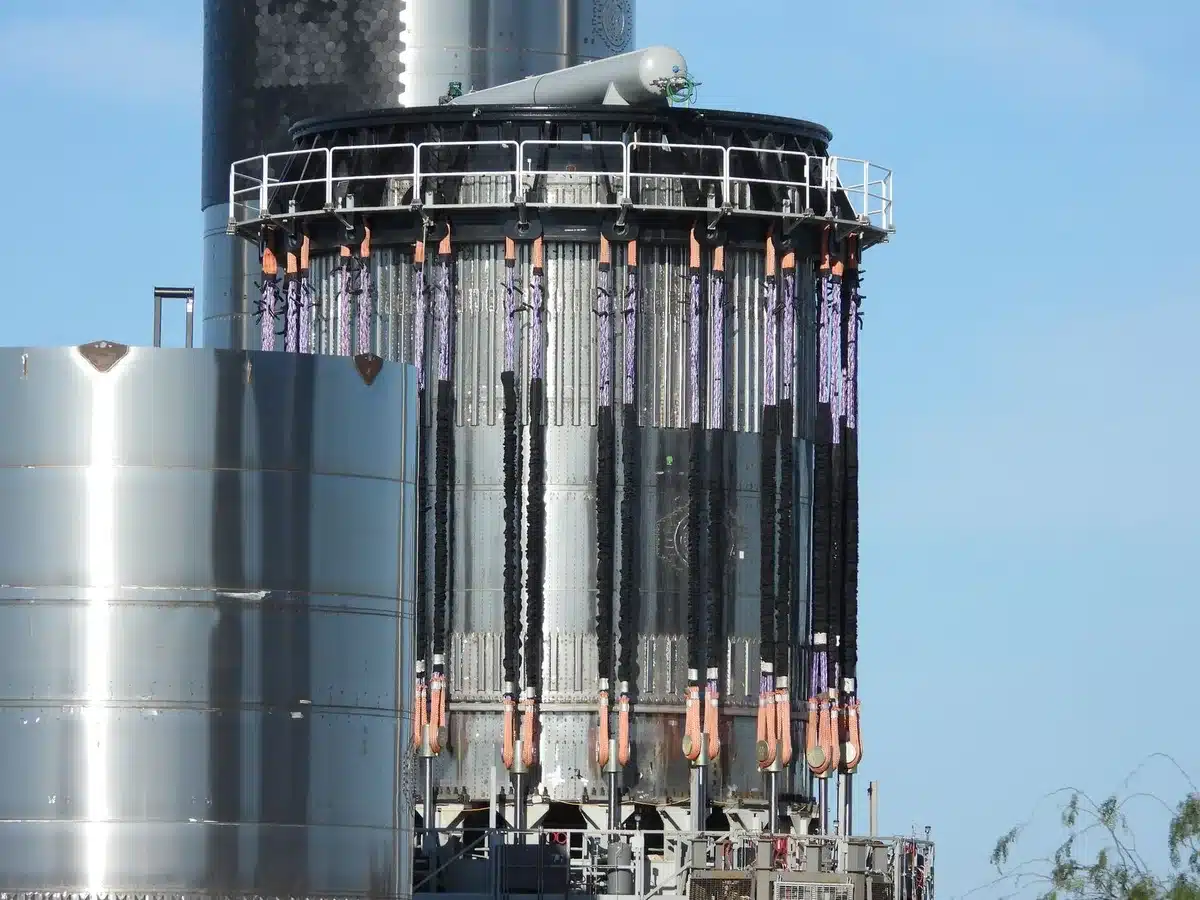
The Falcon 9 upper stage launched from SpaceX’s January 2025 mission that sent the Blue Ghost and Hakuto-R landers to the Moon. Blue Ghost successfully landed on March 2, 2025, while Hakuto-R crashed during its landing attempt on June 5, 2025. The upper stage, unable to be reused, remained in orbit and gradually drifted toward the Moon through gravitational interactions over the following months.
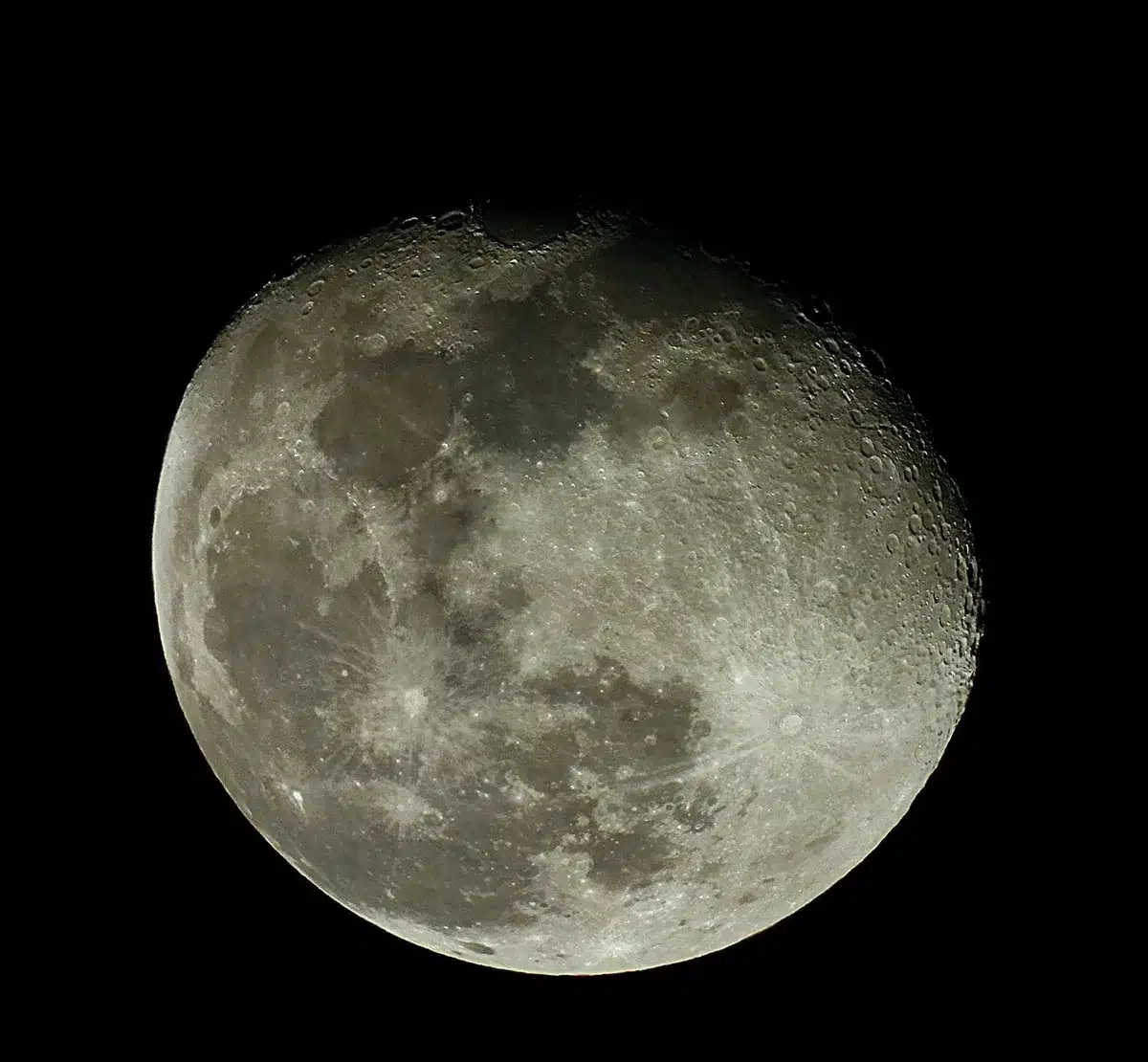
The August 5 impact will be only the second known unintentional lunar collision of human-made space debris. In 2022, a Chang’e-5 T1 upper stage from a Chinese lunar mission struck the Moon’s far side, creating two craters approximately 18 and 16 meters in diameter. That impact occurred on the far side of the Moon, making it invisible from Earth, though the crater was later imaged by a lunar orbiter. The upcoming Falcon 9 impact, by contrast, is predicted to occur on the near side, just barely visible from Earth’s perspective, offering a rare opportunity for ground-based observation.
The collision underscores a growing concern among space experts: the accumulation of debris in cislunar space. Unlike Earth’s orbit, where the atmosphere gradually pulls down defunct satellites and spent rocket stages, the Moon has no natural cleaning mechanism. As more nations and private companies launch lunar missions, the risk of unintended impacts—and the permanent scarring of the lunar surface—continues to mount. Project Pluto notes that the event “highlights a certain carelessness about how leftover space hardware is disposed of,” pointing to a broader need for better planning and international guidelines on end-of-mission disposal for lunar-bound rockets.
Sources
- Project Pluto — Detailed orbital calculations, impact prediction methodology, and space debris context from Bill Gray
- Sky & Telescope — Initial prediction announcement and impact timing details
- Smithsonian Magazine — Impact prediction and space junk problem context
- Ars Technica — Confirmation of impact date and orbital mechanics
- Engadget — Impact time and location near Einstein Crater
- IFLScience — Crater size estimates and impact energy calculations
- The Brighter Side — Ejecta plume visibility and observable phenomena