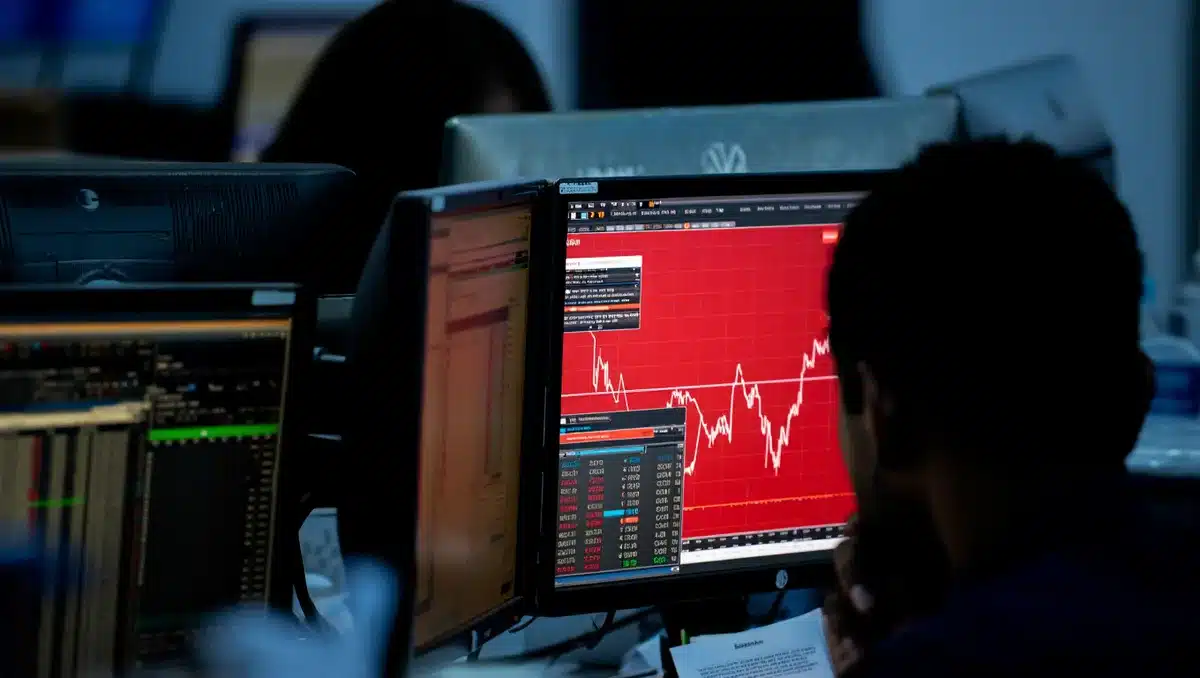
Bitcoin holds near $63,000 as August trading begins, with the cryptocurrency entering the month facing a historically weak seasonal pattern and persistent institutional outflows that have pressured prices since mid-year. On August 1, BTC price hovered around $62,823 to $63,085, down from $64,723.97 the prior day after the Federal Reserve held interest rates steady on July 30.
The price decline reflects broader headwinds beyond the Fed decision. Crypto analyst Ali Martinez flagged a four-year track record showing Bitcoin has averaged a 10 percent decline during August, with the pattern holding consistently across recent years: BTC fell 13.88% in August 2022, 11.29% in August 2023, 8.60% in August 2024, and 6.49% in August 2025, according to The Street. This seasonal weakness stems from reduced institutional activity during summer, post-halving cycle dynamics, and macro factors that tend to surface in late summer.
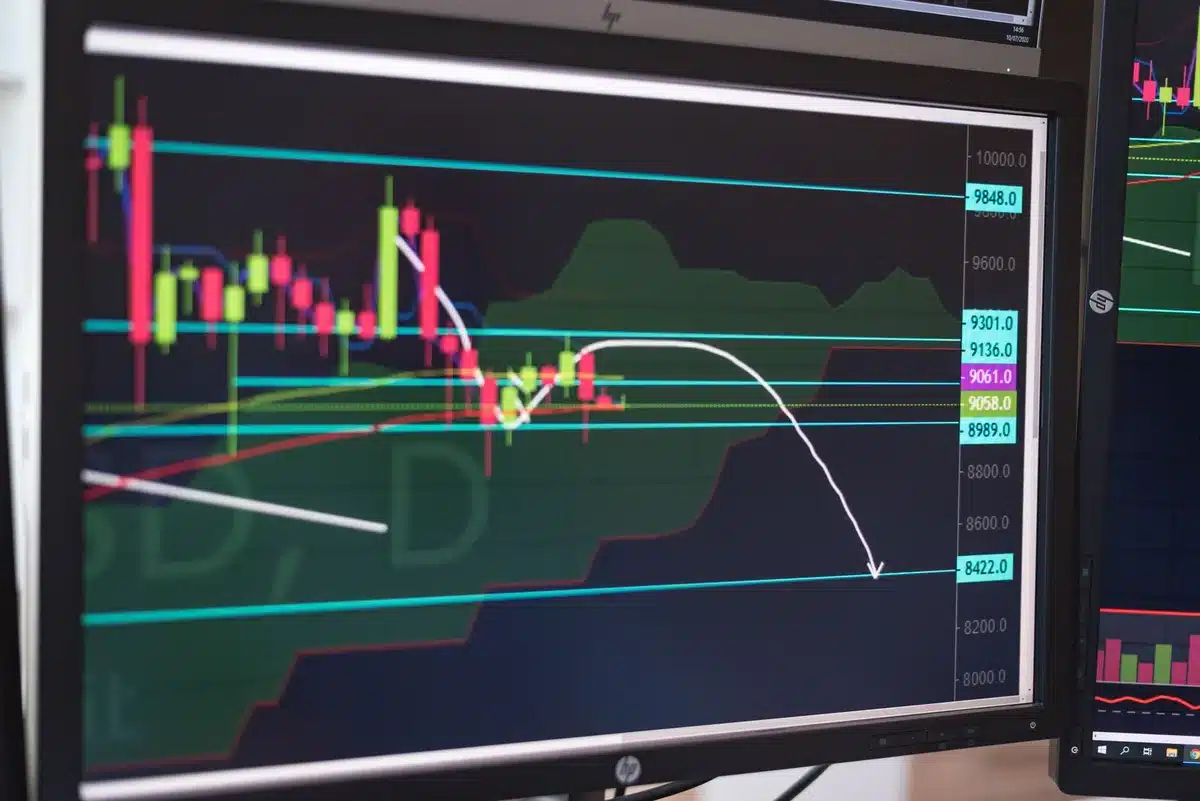
The market environment entering August is already fragile. Spot Bitcoin ETFs have recorded consecutive weeks of net outflows, with June 2026 seeing record monthly outflows of $4.5 billion across all US spot Bitcoin ETFs, according to CoinDesk. Trading volume has also weakened significantly; spot Bitcoin trading volume fell 21.5% in mid-July as BTC recovered toward $64,000, according to blockchain analytics reported by the Bitcoin Foundation. This low volume environment amplifies price swings and reduces the market’s ability to absorb large trades.
The Fed’s decision on July 30 to hold rates at 3.5% to 3.75% initially provided some relief, with Bitcoin recovering above $64,000 in the session following the announcement. However, the gains proved fleeting as inflation at 4.1% kept rate-cut expectations muted and investor sentiment remained cautious. Bitcoin’s recovery has been constrained by ongoing ETF outflows and subdued trading volumes, limiting upside momentum even as macroeconomic uncertainty persists.

Institutional demand has been negative for over 200 consecutive days, and the Coinbase Premium Index—a measure of institutional buying pressure—has remained below zero for weeks, signaling that large investors are net sellers. Coinbase’s Q2 revenue decline reflects the broader pullback in trading activity across the sector. These conditions mirror the setup that has historically preceded August’s weakness, though some analysts note that regulatory catalysts, a shift in Fed policy, or a sudden reversal in ETF flows could break the pattern.
Bitcoin’s entry into August marks a critical juncture. The combination of seasonal headwinds, weak institutional flows, and subdued trading volume creates a challenging backdrop for bulls. Whether this August will follow the historical script or diverge remains an open question, but the technical and sentiment backdrop currently favors caution.
Sources
- The Street — Ali Martinez’s analysis of Bitcoin’s four-year August decline pattern, averaging 10% losses, with specific declines in 2022-2025
- Yahoo Finance — Bitcoin price data for July 31-August 1, 2026, showing the decline from $64,723.97 to $62,823.30
- CoinDesk — Bitcoin ETF outflow records in June 2026 ($4.5 billion) and ongoing institutional redemptions in July
- Bitcoin Foundation — Blockchain analytics on spot Bitcoin trading volume decline of 21.5% in mid-July 2026
- CoinStats — Bitcoin price data and market analysis for July 30-August 1, 2026, including ETF flow trends