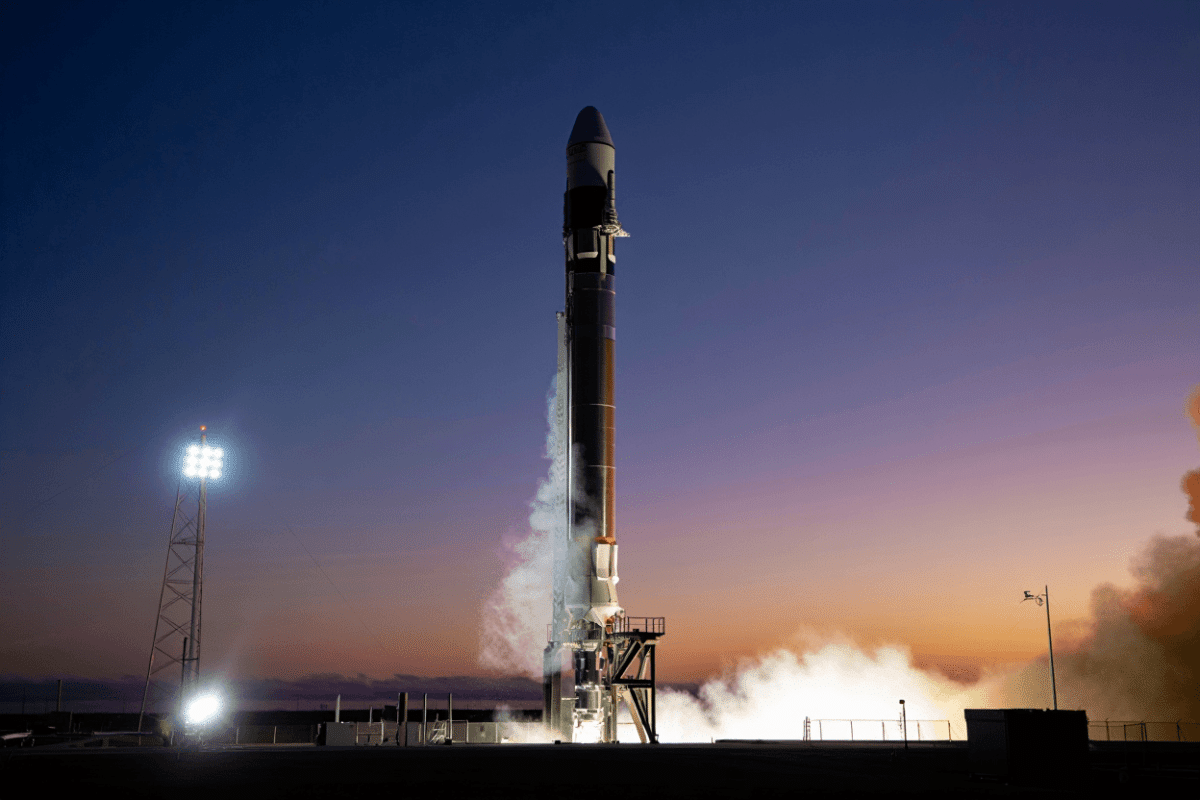
SpaceX’s Starship thirteenth flight test is set to launch on July 16, 2026, from Starbase in Texas, carrying 20 Starlink V3 satellites to space for the first time. The launch window opens at 3:45 p.m. PDT (6:45 p.m. ET / 5:45 p.m. CT), according to the company’s official launch schedule.
The mission marks a major milestone for SpaceX’s integrated Starship program, following Flight 12 in May 2026, which encountered booster engine failures during ascent and boostback burn operations. The Federal Aviation Administration declared that flight a mishap and required SpaceX to conduct an investigation before resuming launches.
Flight 13 incorporates multiple hardware upgrades designed to address the issues that arose during Flight 12. According to SpaceX’s announcement, the booster features improved Raptor re-light reliability for the boostback burn, updated engine alarms and abort logic for multi-engine flight conditions, and a more robust stage separation flip sequence to prevent rotation off course. The upper stage includes propulsion system hardware and operational changes targeting the Flight 12 engine-out issue.
The 20 Starlink V3 satellites represent a significant advancement in SpaceX’s constellation capabilities. Each V3 satellite offers 1 terabit per second (Tbps) of downlink capacity and 160 gigabits per second (Gbps) of uplink capacity—more than 10 times the downlink and 24 times the uplink capacity of earlier V2 Mini satellites, according to SpaceX. Six of the V3 satellites will be equipped with cameras to inspect Starship’s heat shield after reentry, providing real-time data on the vehicle’s thermal protection system performance.
Starship’s ability to carry Starlink V3 satellites represents a fundamental shift in how SpaceX expands its internet network. A single Starship launch is designed to add 60 terabits per second of capacity to the Starlink constellation—more than 20 times the capacity added by a Falcon 9 launch of traditional Starlink satellites. This efficiency gain is central to SpaceX’s strategy for rapid constellation expansion and improved service speeds.
Flight 13 follows a similar profile to Flight 12, with the booster executing a launch, ascent, stage separation, boostback burn, and landing burn sequence. The upper stage will deploy its payload, conduct an in-space engine relight demonstration, and perform a controlled reentry and soft ocean splashdown. The mission timeline, as detailed by SpaceX, spans over an hour from liftoff through final landing burn.
Sources
- SpaceX — Official Starship Flight 13 launch page with countdown timeline and flight test objectives
- Next Spaceflight — Flight 13 schedule, V3 Starlink deployment details, and mission profile
- RocketLaunch.org — First V3 Starlink satellite deployment details and payload specifications
- Space.com — Booster 20 static fire test and Flight 13 launch preparation updates
- Wikipedia (Starship flight test 12) — Flight 12 engine failure details and FAA mishap declaration
- Spaceflight Now — FAA mishap investigation requirements and booster engine failure analysis
- BASENOR — V3 Starlink satellite capacity specifications and uplink/downlink improvements
- Reddit (r/SpaceXLounge) — Flight 13 modifications and hardware upgrade discussions