The Federal Communications Commission has approved a test of Reflect Orbital’s Earendil-1 satellite, a space mirror designed to bounce sunlight back to Earth, despite over 1,800 public comments objecting to the project and formal opposition from the American Astronomical Society.
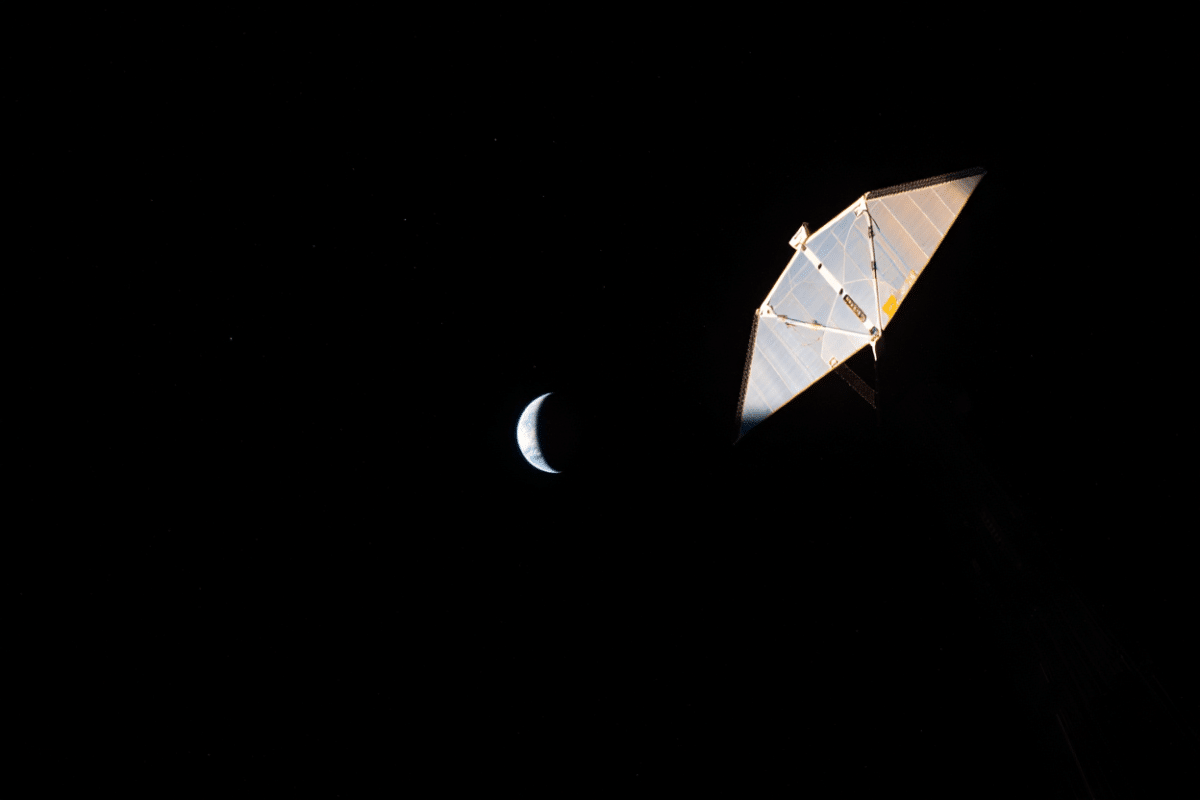
The satellite will carry a steerable thin-film reflector measuring 60 feet by 60 feet, according to multiple sources. Once deployed at an altitude of approximately 400 miles, it will aim to reflect sunlight onto a circular patch about three miles wide on Earth’s surface, potentially powering solar farms at night.
The American Astronomical Society warned the FCC that the satellite is engineered to be as bright as possible, raising risks of eye damage to amateur astronomers and temporary flash blinding of pilots and drivers. The society argued that an individual Reflect Orbital satellite would have an optical brightness of at least 2 to 4 times that of the full Moon, according to its formal petition to deny the application.
Astronomers’ concerns extend beyond the single demonstration satellite. Reflect Orbital envisions deploying as many as 50,000 mirrors by 2035 to create a global constellation that could provide sunlight on demand worldwide. One astronomy model cited by Space Daily suggests such a system could raise the natural night-sky background by 200% to 300%, fundamentally altering observations of the cosmos.
The FCC determined that the most controversial aspects of the proposal—the mirror itself and its environmental impacts—fall outside the agency’s regulatory authority. The commission approved radio operations for the test satellite, treating the environmental and astronomical concerns as matters for other agencies to address. This approach drew criticism from organizations including DarkSky International and the American Astronomical Society, which had urged the FCC to require an environmental assessment before proceeding.
Sources
- Space Daily — FCC authorization of Earendil-1 and 50,000-satellite constellation proposal; astronomy model predictions on night-sky brightness increase
- The New York Times — FCC approval, satellite specifications, and mirror deployment details
- PCMag — Over 1,800 public comments and objections to the application
- Engadget — American Astronomical Society concerns about brightness, eye damage, and pilot flash blinding
- American Astronomical Society — Formal petition detailing optical brightness comparisons and safety risks
- Gagadget — FCC’s categorical exclusion approach and environmental review bypass