Team building in 2026 is shedding the awkward trust falls and forced corporate fun of the past, pivoting instead toward wellness-focused experiences that feel authentic and restorative. As hybrid work becomes the standard and employee burnout reaches critical levels, organizations are redesigning team building around what employees actually want: genuine connection, mental health support, and activities that feel worth leaving the office or home for.
The shift reflects a broader workplace reality. Only 31% of U.S. employees are actively engaged at work, marking a 10-year low, according to Gallup’s 2025 State of the Global Workplace Report. At the same time, 76% of employees experience burnout at least sometimes. Team building, once treated as an optional morale booster, has become essential infrastructure for retention and culture.
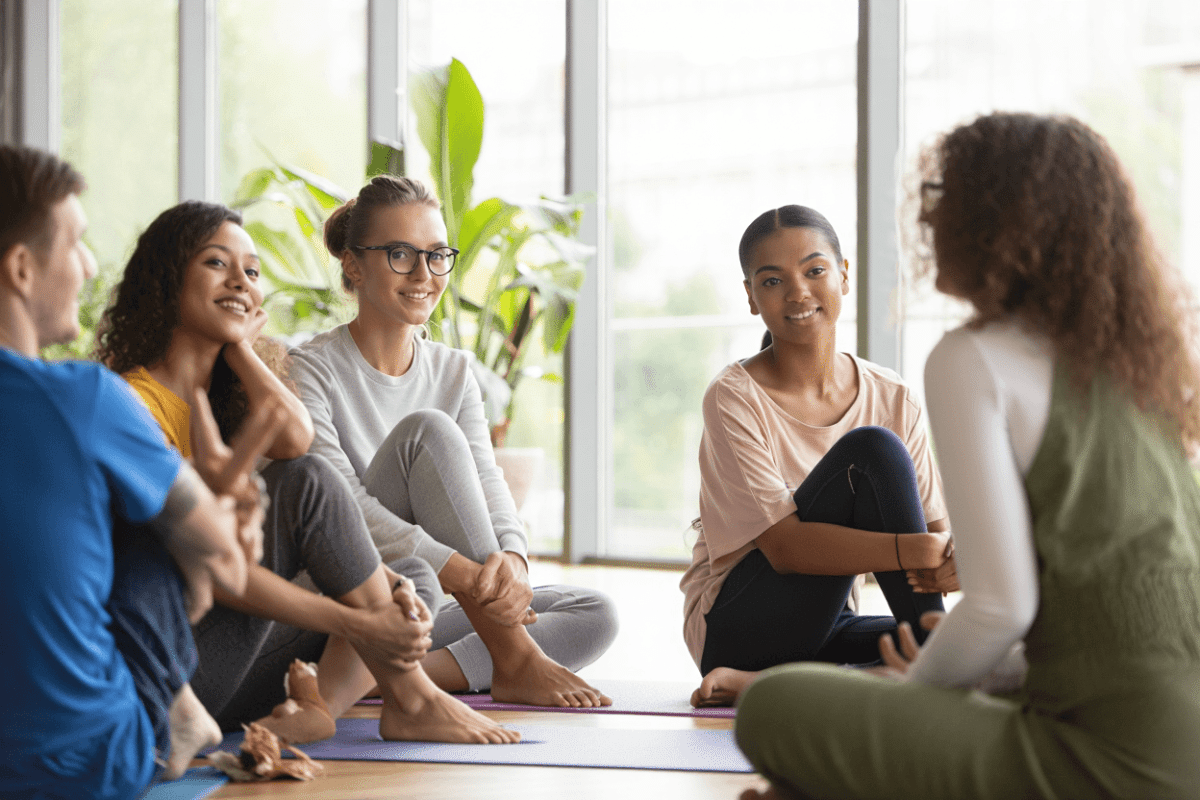
Wellness is no longer optional in team building. Yoga classes, sound bath sessions, and mindful workshops are increasingly popular for burnout prevention, especially among hybrid teams, according to Groopeze’s May 2026 team building trends report. Companies are booking countryside retreats in destinations like the Lake District and coastal Cornwall where teams can mix strategy sessions with cold water swimming, woodland walks, and outdoor cooking. London businesses are embracing wellness-led city experiences with rooftop sound baths, guided mindfulness workshops, and mobile massage lounges at corporate away days.
The difference between old and new team building comes down to balance. Modern events include breathing room—intentional downtime alongside productivity. The clever companies balance strategy sessions with genuine recovery time, recognizing that people leave feeling refreshed rather than exhausted when wellness is built in from the start.
At the organizational level, the shift runs deeper. In 2026, workplace wellbeing is being embedded into enterprise infrastructure, with companies transitioning from isolated wellness programs to systemic integration, according to the Global Wellness Institute’s April 2026 workplace wellbeing initiative trends report. Leading organizations are redesigning workflows, strengthening managerial capability in psychological safety, and embedding wellbeing metrics into governance and risk systems. Research from the McKinsey Health Institute shows that companies integrating wellbeing into leadership practices, performance management, and organizational design report up to 20–25% higher productivity and measurable reductions in burnout-related costs.
Hybrid work has made team building both more challenging and more valuable. When colleagues finally meet in person, face-to-face time is precious. This shift has changed everything from the locations companies choose to the kind of icebreakers people enjoy. Employees want experiences that help them bond naturally rather than activities that feel overly scripted. Smaller, more frequent gatherings are replacing massive annual conferences, with many organizations now running quarterly team experiences instead of one giant event.
Authenticity has become non-negotiable. Gen Z employees, who now represent a significant portion of the workforce, prefer experiences that feel flexible, inclusive, and less performative. They are far less tolerant of forced participation and painfully scripted activities. This has led to a more relaxed style of event planning overall, with companies giving employees more choice over activities instead of expecting everyone to join the same thing. Inclusivity is also becoming more important, with organizers thinking carefully about accessibility, neurodiversity, alcohol-free options, and activities that work for different personality types.
Creative and collaborative activities are having a major moment. Escape rooms, competitive cooking events, pottery classes, graffiti sessions, and group art experiences are attracting companies that want something more relaxed and conversation-driven. These activities work especially well because they remove pressure from constant talking and create natural opportunities for connection. Charity-based team building has become far more popular too, with teams creating care packages for local charities, supporting food banks, or taking part in environmental clean-up projects.
Food is becoming central to team building strategy. Interactive dining experiences are especially popular because they create natural conversation. Shared feasting tables, chef-led tastings, and hands-on cooking classes are replacing standard buffet lunches. Street food-style catering is everywhere right now because it creates a relaxed atmosphere where employees can move around and chat naturally.
Sources
- Groopeze — Team building trends for 2026, including wellness-focused activities, hybrid work impacts, and authentic team experiences (May 20, 2026).
- Global Wellness Institute — Workplace wellbeing initiative trends for 2026, including enterprise-wide integration, productivity gains, and systemic approaches to wellness (April 7, 2026).
- Vantage Circle — 8 employee engagement trends 2026, including Gallup data on engagement levels, burnout rates, and recognition-rich teams (July 2, 2026).
- Gallup — State of the Global Workplace Report 2025, showing 31% active engagement rate and 76% burnout prevalence.
- McKinsey Health Institute — Thriving Workplaces research showing 20–25% productivity gains and burnout reduction from integrated wellbeing approaches (January 16, 2025).