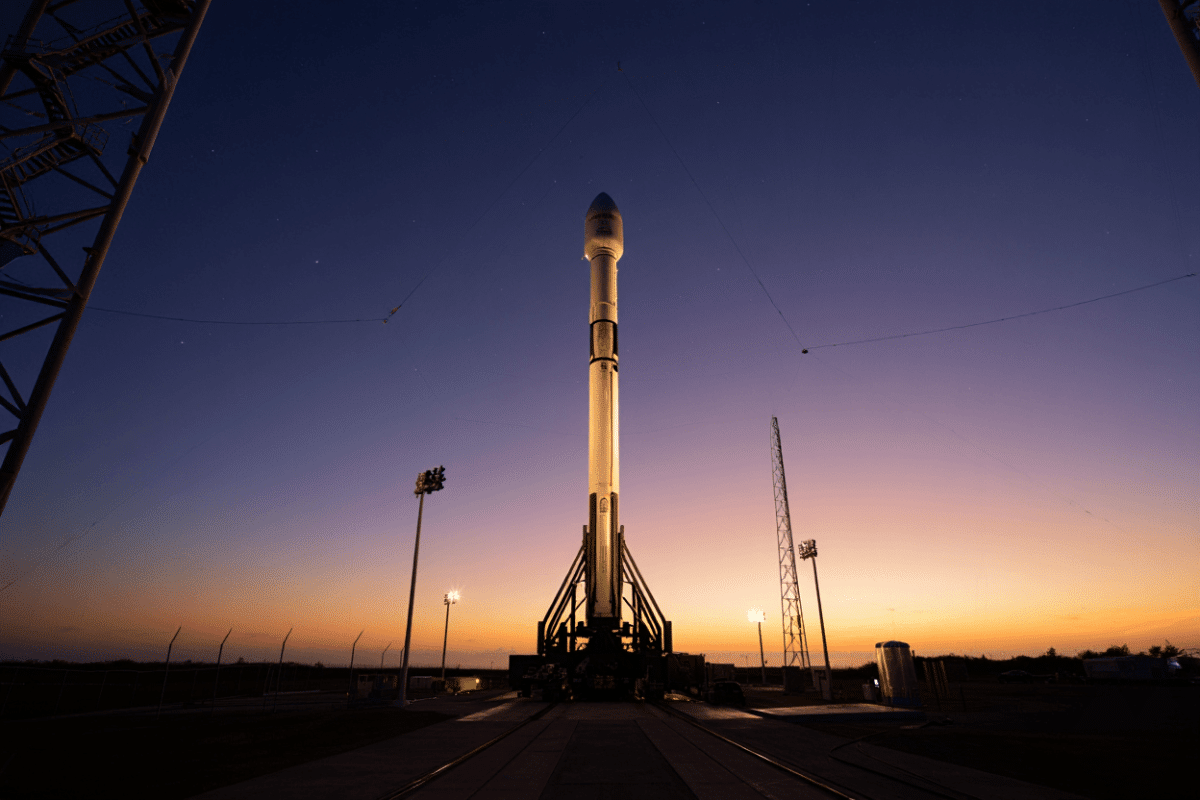
A SpaceX Falcon 9 rocket is set to launch 24 Starlink satellites from Vandenberg Space Force Base in California on Friday evening, continuing the company’s rapid expansion of its global satellite internet constellation.
The Starlink Group 17-48 mission targets a launch window between 7:00 p.m. and 11:00 p.m. PDT on July 10, 2026, from Space Launch Complex 4 East (SLC-4E) at Vandenberg, according to SpaceX’s official mission page. The Falcon 9 first stage is expected to land on the droneship OCISLY in the Pacific Ocean following stage separation.
The 24 Starlink V2 Mini satellites will join a constellation that, as of June 2026, contains approximately 10,413 satellites in low Earth orbit, with 10,397 operational, according to Wikipedia and Space.com. This latest deployment adds to SpaceX’s efforts to expand broadband coverage across the globe.
Starlink currently covers most of the populated world between 53 degrees south and 57 degrees north latitude, with expanding polar coverage, according to Orbital Radar. The service is available in more than 100 countries, making it one of the world’s largest satellite internet networks. The constellation’s rapid growth throughout 2026 reflects SpaceX’s commitment to building out the infrastructure needed to deliver high-speed, low-latency internet to remote and underserved regions.
Vandenberg has become a key launch site for Starlink missions. The Friday launch marks another step in SpaceX’s strategy of frequent Falcon 9 flights dedicated to constellation replenishment. Each mission typically carries 24 to 29 satellites to low Earth orbit, allowing the company to maintain and expand coverage while also refreshing aging hardware.
Sources
- SpaceX — official Starlink Group 17-48 mission page with launch window, payload count, and landing details
- Wikipedia — Starlink constellation size and operational satellite count as of June 2026
- Space.com — Starlink satellite facts and current constellation statistics
- Orbital Radar — Starlink coverage area, latitude range, and country availability
- Spaceflight Now — historical Starlink launch data and Vandenberg mission details