Millions of taxpayers have until July 10 to file claims for potential COVID-era refunds under a federal court ruling that could entitle them to recover penalties and interest the IRS charged during the pandemic. The deadline marks the final day to preserve rights to relief under the Kwong v. United States decision, which found that tax filing and payment deadlines were automatically suspended for over three years during the COVID-19 federal disaster period.
A federal court in November 2025 ruled in Kwong v. United States that the IRS improperly assessed penalties and interest during the disaster period from January 20, 2020, through July 10, 2023. The court determined that tax deadlines were postponed under a law that suspends filing and payment obligations during federally declared disasters plus 60 days. Because the COVID-19 disaster declaration lasted from January 20, 2020, through May 11, 2023, the postponement extended through July 10, 2023—meaning returns and payments during that window should not have been treated as late.
Tens of millions of taxpayers may qualify for refunds, according to the IRS Taxpayer Advocate Service. Eligible individuals include those who paid penalties for failure to file, failure to pay, or failure to make estimated tax payments between 2020 and 2023. Businesses, estates, and trusts that paid penalties or interest during this period may also qualify. The relief applies to penalties already paid and can abate penalties not yet paid.
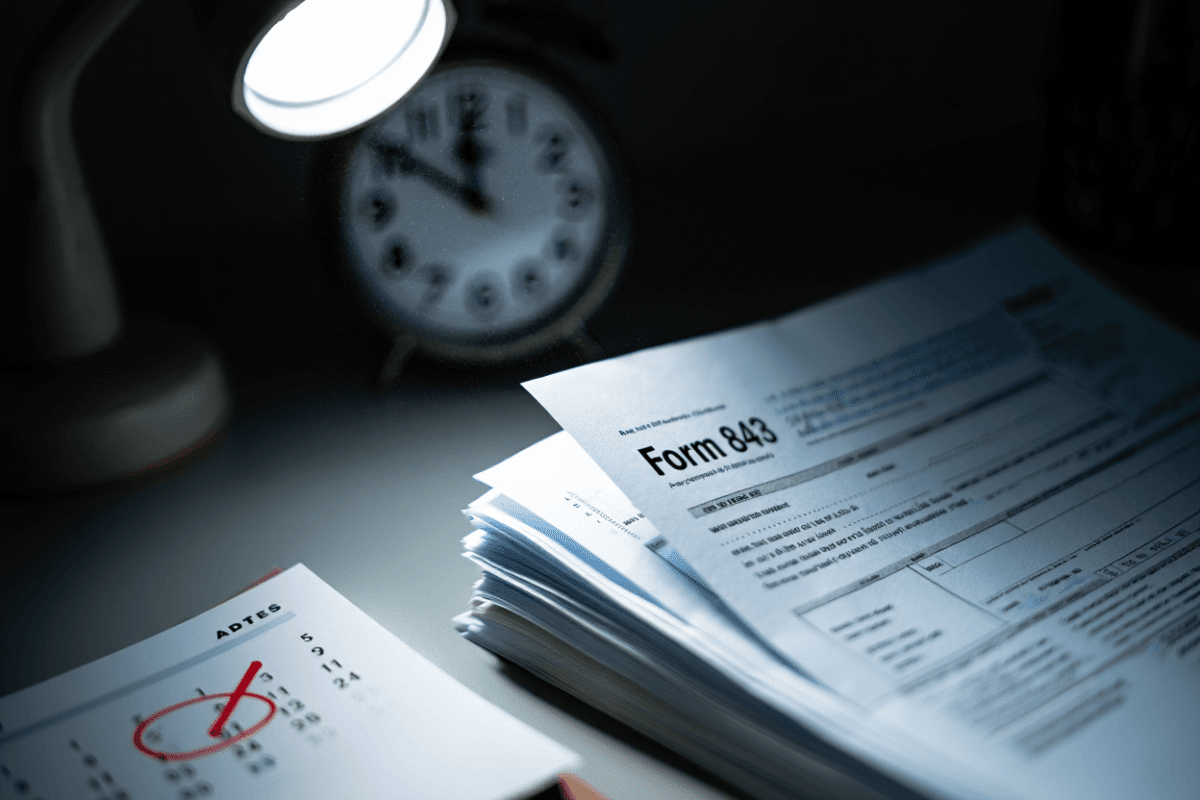
To claim the refund, most taxpayers must file IRS Form 843, Claim for Refund and Request for Abatement, by July 10. The IRS added a significant convenience on July 1, 2026, when it launched an electronic filing option for Form 843 specifically for COVID-related refund claims. Previously, taxpayers could only file the form on paper or through a professional. The online tool is available through the IRS website’s mobile-friendly forms page, allowing eligible taxpayers to submit claims electronically rather than by mail.
Taxpayers uncertain about their eligibility can file a protective claim—a formal request that preserves their right to a refund while the legal issue remains unsettled. According to the Taxpayer Advocate Service, a protective claim does not require an exact dollar amount and can be filed by writing “Protective Refund Claim Pursuant to Kwong Case” across the top of Form 843. The IRS holds protective claims in suspense until the underlying legal question is resolved, then processes them based on the court’s final decision.
The July 10 deadline stems from a standard statute of limitations: taxpayers generally have three years from the date they filed their tax return or two years from the date they paid their tax to claim a refund. For most taxpayers affected by the pandemic disaster period, that window closes on July 10, 2026. The government is appealing the Kwong decision, but regardless of the appeal’s outcome, filing by July 10 preserves a taxpayer’s legal right to relief if the court’s ruling ultimately prevails.
The Taxpayer Advocate has urged the IRS and Congress to publicize this issue and provide taxpayers with additional time to file claims, noting that awareness is critical. Many affected taxpayers have low and moderate incomes and lack professional representation, making them more likely to miss the deadline and lose their opportunity for refunds. The National Taxpayer Advocate emphasized that without action, outcomes may unfairly favor the “well advised” over the “unaware.”
Sources
- Taxpayer Advocate Service (IRS.gov) — Comprehensive guidance on the Kwong ruling, eligibility criteria, filing deadlines, and the mechanics of protective claims
- USA Today — Report on the IRS’s July 1 electronic filing option for Form 843 and the July 10 deadline
- CBS News — Confirmation that millions of taxpayers have until July 10 to claim refunds
- H&R Block — Details on who qualifies (individuals, businesses, estates, trusts) and the penalty/interest refund window (January 20, 2020 – July 10, 2023)