Meta will begin manufacturing its custom-built Iris AI chip in September, marking a major milestone in the company’s push to reduce reliance on external chip suppliers and double its computing capacity to 14 gigawatts by 2027, according to an internal memo reviewed by Reuters.
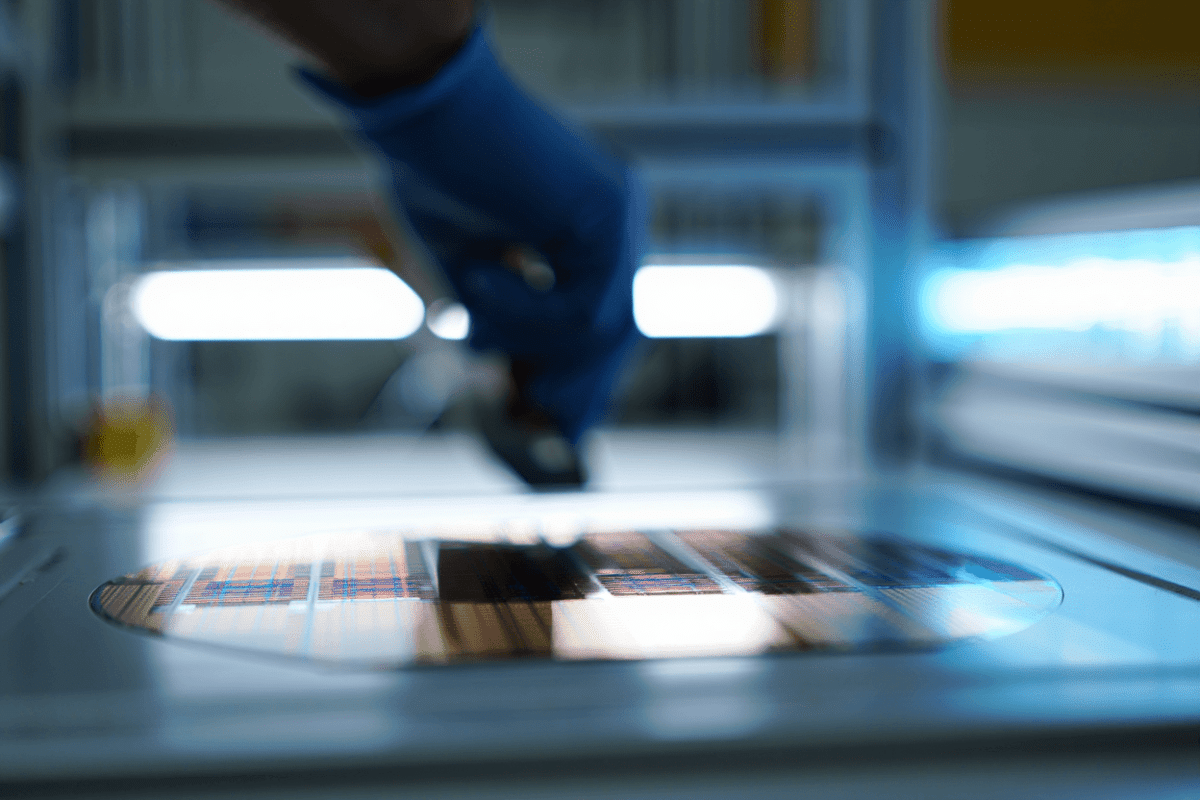
The chip completed testing in just six weeks with no major issues, signaling positive momentum for Meta’s in-house chip efforts. The company is working with Broadcom to design the Iris chip and Taiwan Semiconductor Manufacturing Company (TSMC) to manufacture it, targeting Facebook and Instagram AI applications.
Meta’s custom silicon strategy aims to lower its massive computing costs while gaining independence from suppliers like Nvidia and Advanced Micro Devices (AMD). The approach addresses a critical bottleneck: adopting the latest GPUs at a company as large as Meta “has been a heavy lift, and it has cost us time,” the memo showed. By developing its own processors, Meta can optimize performance for its specific workloads and reduce the dependency on third-party vendors.
The Iris chip is part of Meta’s broader four-generation plan for Meta Training and Inference Accelerators (MTIA) chips, unveiled in March alongside three other AI processors. Meta plans to launch a chip approximately every six months through 2027, a faster cadence than the industry standard of one year or more between releases.
Meta’s infrastructure expansion is accelerating across multiple fronts. The company plans to deploy seven gigawatts of computing infrastructure this year and double that to 14 gigawatts by 2027. To support this growth, Meta has secured long-term, multi-year supply agreements with Samsung Electronics for memory chips, SanDisk for flash storage, and Sumitomo Electric for fiber-optic equipment. The company expects to spend as much as $145 billion on AI infrastructure in 2026 alone, representing a significant portion of Big Tech’s projected $700 billion-plus annual outlay on AI technology.
The custom chip push reflects intensifying competition in the AI infrastructure space. As tech companies race to expand data centers to meet AI’s computational demands, securing reliable supplies of memory, processors, and networking equipment has become critical. Component shortages have driven prices higher, with “chipflation” becoming a macroeconomic concern, according to Morgan Stanley analysts. Meta’s vertical integration strategy—designing its own chips while maintaining partnerships with TSMC and other suppliers—hedges against supply constraints and cost pressures.
Sources
- Reuters — Meta’s September production timeline for Iris chip, testing completion in six weeks, 14 gigawatt capacity target for 2027, $145 billion AI infrastructure spending, partnerships with Broadcom and TSMC, supply agreements with Samsung, SanDisk, and Sumitomo Electric
- CNBC — Confirmation of custom-built silicon strategy to improve Facebook and Instagram AI
- MLQ.ai — Meta’s custom chip program designed to reduce dependence on third-party GPU vendors Nvidia and AMD
- LinkedIn — Iris chip targeting inference workloads in Meta’s infrastructure