The United Arab Emirates’ recent decision to leave OPEC has reopened a debate about the cartel’s future and could push pump prices lower over the coming year. Market strategists say the move may shift pricing power away from coordinated supply management toward a more competitive, and more volatile, global oil market.
Why the UAE departure matters now
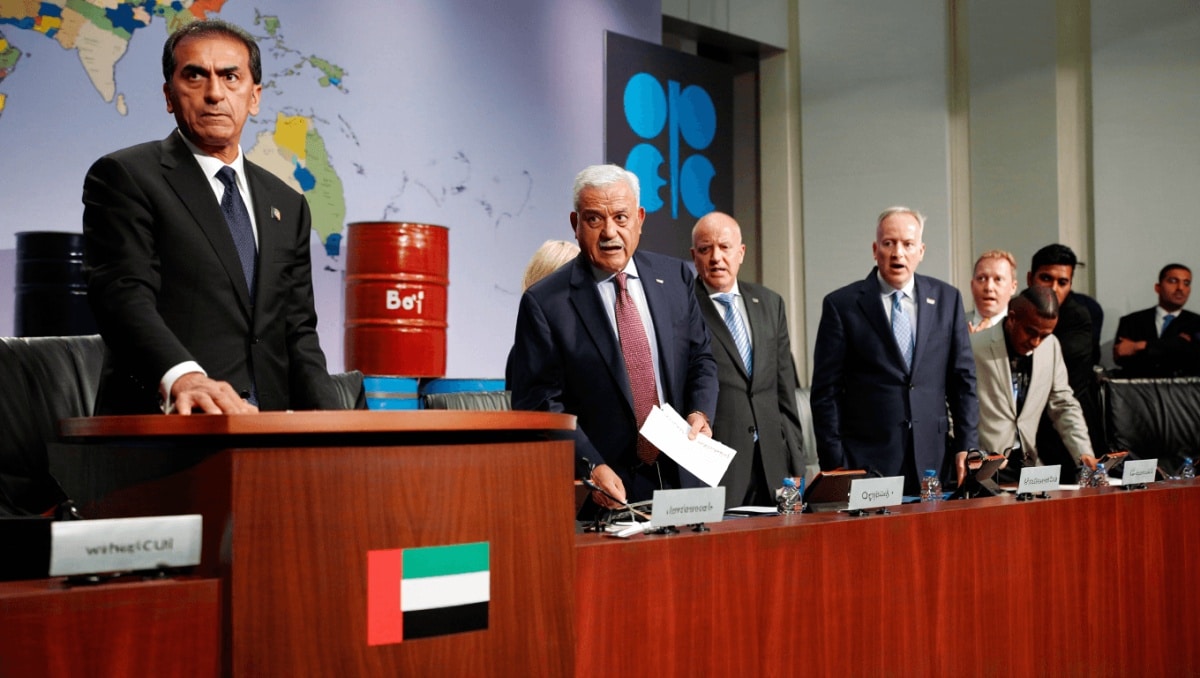
The UAE’s exit removes both production capacity and political heft from the group known as OPEC, allowing Abu Dhabi to plan for a notable expansion of output. That shift immediately changes the bargaining dynamics inside the cartel and adds pressure on members who have accepted production quotas in exchange for price stability.
Analysts who follow energy geopolitics point to two competing themes: greater supply freedom that could lower average prices, and weaker collective discipline that could make prices swingier. Washington’s long-running criticism of OPEC’s market influence — and diplomatic outreach to Gulf states — has also played into the realignment, according to observers.
How consumers and markets could be affected
For drivers, the headline prospect is clear: more barrels on the market generally mean cheaper gasoline over time. But experts warn that the path to lower prices will not be smooth.
- Short term: Market reactions and trading can push prices up or down, so consumers may see sharper weekly or monthly moves at the pump.
- Medium term: If countries that remain in or leave OPEC ramp up production, global supply could increase enough to pull average prices lower within 12 months.
- Long term: Persistent competition among producers may reduce OPEC’s ability to set a floor under prices, increasing structural volatility for oil-exporting economies.
Voices from the market
Some energy strategists argue the end of tight cartel discipline will favor consumers. They say increased competition and the removal of quota constraints should depress benchmark crude and, after a period of adjustment, reduce retail fuel costs.
Other experts counsel caution. A number of analysts emphasize that OPEC+ has sustained influence because of the scale and coordination of major members; a single departure does not automatically dissolve the institution. Political signaling — leaving to assert national independence — does not always translate into an immediate loss of market power.
Additionally, observers note a familiar tension in cartels: members have incentives to exceed quotas. Over time, those incentives can fracture coordination even without an open rupture, increasing the chance of market instability.
Winners, losers and geopolitical risks
Energy exporters that depend on oil revenues are the most exposed to a weaker, more volatile price environment. Lower receipts can strain budgets and heighten domestic political risks in countries heavily reliant on fossil-fuel income.
U.S. producers present a mixed picture: some smaller oil companies may face margin pressure if prices fall, while larger, more diversified producers and service firms are typically able to adapt through efficiency gains and hedging strategies.
- Potential winners: Importing countries and motorists, if greater supply brings sustained lower prices.
- Potential losers: Oil-dependent governments with limited fiscal buffers and firms with high production costs.
- Wildcards: Continued cooperation between major non-OPEC producers and a realignment among Gulf states could still shape prices heavily.
Some experts believe the realignment will encourage a domino effect: once one major producer expands output, others under quota restrictions may follow, effectively loosening the cartel’s grip. How fast that happens will determine when consumers see meaningful relief at the pump.
What to watch next
Key signals to monitor in the coming months include announced production increases by former OPEC members, coordination between Saudi Arabia and other big producers, and changes in inventories reported by major agencies. Traders will also pay attention to geopolitical flashpoints that can quickly reverse price trends.
Ultimately, market participants generally expect lower average prices over the next year if the trend toward independent production continues — but they also expect sharper ups and downs along the way. That combination will test fiscal plans in oil-exporting states and the hedging tools of energy companies, while reshaping the contours of global energy geopolitics.