This week, President Donald Trump will travel to China accompanied by a high-profile U.S. business delegation, a move that could reshape short-term commercial ties and open doors for deal-making at the highest level. The White House says senior executives from technology, finance and manufacturing will join the trip, signaling business interests are tightly linked to this diplomatic moment.
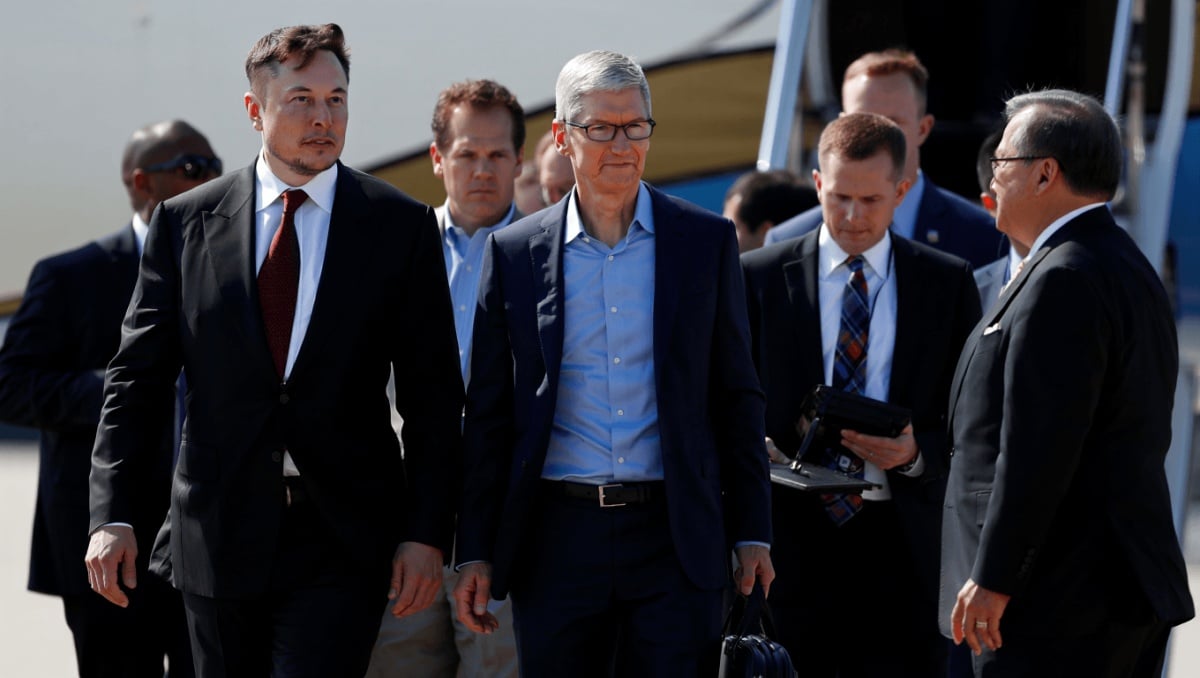
A White House official provided a roster of attendees that includes some of the most visible names in global business. The lineup reflects an unusually large private-sector presence for a presidential visit and underlines the economic stakes of U.S.-China relations right now.
Who is expected to travel
- Elon Musk
- Tim Cook
- Larry Fink
- David Solomon
- Kelly Ortberg
- Stephen Schwarzman
- Brian Sikes
- Jane Fraser
- Jim Anderson
- H. Lawrence Culp Jr.
- Jacob Thaysen
- Michael Miebach
- Dina Powell McCormick
- Sanjay Mehrotra
- Cristiano Amon
- Ryan McInerney
Officials framed the trip as an opportunity to advance mutual economic interests. On social media, President Trump described China as “an amazing country” and expressed optimism that the visit will produce benefits “for both countries.”
Beyond optics, the visit arrives at a sensitive moment for global supply chains and technology governance. U.S. export controls, semiconductor supply concerns, investment screening and corporate access to China’s market remain active policy fronts. For executives, the trip offers a chance to press for clearer rules, seek partnerships, or explore commercial concessions.
Security debates will likely shadow the delegation. Analysts and commentators have recently raised alarms about data and hardware risks tied to certain Chinese-made products, an issue that has surfaced in discussions about electric vehicles and telecommunications equipment. Expect trade-offs between market access and national-security scrutiny to be part of behind-the-scenes conversations.
Why this matters now
U.S.-China relations affect everything from microchips to shipping lanes and investment flows. A presidential visit accompanied by senior business leaders can accelerate negotiations, reset regulatory expectations, or simply provide political cover for deals that companies have been pursuing for months.
For American consumers and investors, the outcomes could influence product availability, pricing, and the competitive landscape in key industries such as consumer electronics, aerospace, and financial services.
Key items to watch during and after the trip
- Announcements on trade or investment agreements and any sector-specific concessions.
- Statements or actions relating to semiconductor exports and supply-chain safeguards.
- Responses from regulators in Washington, Brussels and Beijing to any commercial arrangements struck.
- Corporate commitments or memorandums of understanding that could signal near-term business plans.
- Messaging around national-security concerns tied to data, telecommunications and electric vehicles.
Trump and Chinese leader Xi Jinping last met in October in South Korea, and Trump previously visited China during his first term. The presence of dozens of senior executives on this trip highlights how economic and diplomatic agendas are increasingly intertwined—and why developments from this visit will be tracked closely by markets, policymakers and corporate boards in the days ahead.