U.S. consumer prices accelerated in April, pushed higher by a jump in energy costs tied to disruptions in the Middle East, renewing pressure on household budgets and complicating the Federal Reserve’s path for any interest-rate cuts. The latest Bureau of Labor Statistics release makes clear why investors, policymakers and families are watching inflation data closely this month.
The BLS reported that the CPI rose 0.6% from March to April and is 3.8% above its level a year earlier — the strongest annual increase since May 2023. Excluding food and energy, so-called core inflation climbed 0.4% month over month and 2.8% year over year, both a touch higher than most economists had forecast.
Where prices moved the most
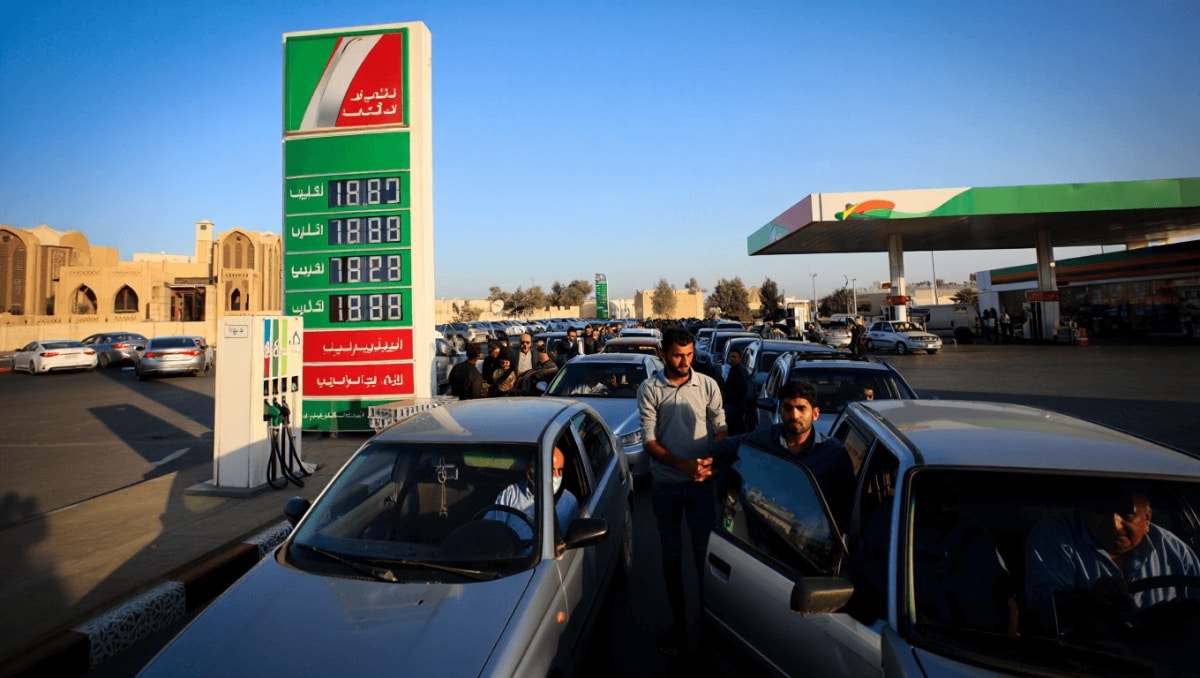
Energy was the immediate driver. Supply disruptions related to the Iran conflict lifted oil and gasoline costs sharply, which in turn raised the overall inflation reading for the month.
- Energy index: +3.8% in April; +17.9% year over year
- Gasoline: +5.4% month; +28.4% year over year
- Electricity: +2.8% month; +6.1% year over year
- Food: +0.5% month; +3.2% year over year (food at home +0.7% month)
- Housing: +0.6% month; +3.3% year over year
- Transportation services: +0.3% month; +4.3% year over year (airline fares +2.8% month)
The grocery aisle showed mixed moves: meats, poultry and fish rose about 1.2% in April and are nearly 7% higher than a year ago, with beef and veal seeing larger gains. Egg prices, which spiked last year amid supply issues, have now fallen sharply from that peak.
Data quirks and what to watch next
Economists warn the inflation picture for recent months is partially clouded by last year’s 43-day government shutdown, when the BLS had to use a carry-forward approach for missing data. That method likely pushed some readings lower and could distort comparisons until fresh source data replaces the gap in the coming months.
Markets will be looking to May and June prints to see whether April’s uptick represents a continuing trend or a temporary spike tied to energy.
Implications for consumers and policy
Higher gasoline and utility bills hit lower-income households hardest because they spend a larger share of income on necessities. Many families are already relying more on credit cards and buy-now-pay-later plans to bridge shortfalls — a sign of rising financial strain even when the overall economy remains resilient.
On monetary policy, the stronger-than-expected core reading reduces the odds of an early cut to interest rates. Several strategists now see a rate reduction delayed until later in the year, or possibly beyond, unless inflation cools faster than current data suggest.
Edward Jones economist James McCann said energy costs are adding a fresh layer of strain for households but noted that hiring and corporate profits have shown resilience, which has so far helped the economy absorb the shock. Seema Shah of Principal Asset Management cautioned that the upside surprise in core inflation makes the Fed more likely to stay cautious on easing policy.
For consumers, the immediate takeaway is practical: rising energy and food costs are increasing monthly expenses, while for investors and policymakers the key question is how persistent those pressures will be and when — if at all — the Federal Reserve will feel comfortable lowering rates.