New York’s renewed push to tax wealthy homeowners and corporate owners of high-end properties has reopened a debate about how cities can shore up revenue without deterring investment. Lawmakers and business leaders are now grappling with immediate budget pressures and the risk that higher levies could prompt capital to move elsewhere.
Governor Kathy Hochul’s proposal to impose steeper taxes on second homes and luxury properties is being discussed as one option to close fiscal gaps, particularly in high-cost urban areas. Supporters say it targets those least reliant on municipal services; opponents warn it could alter where investors choose to put money.
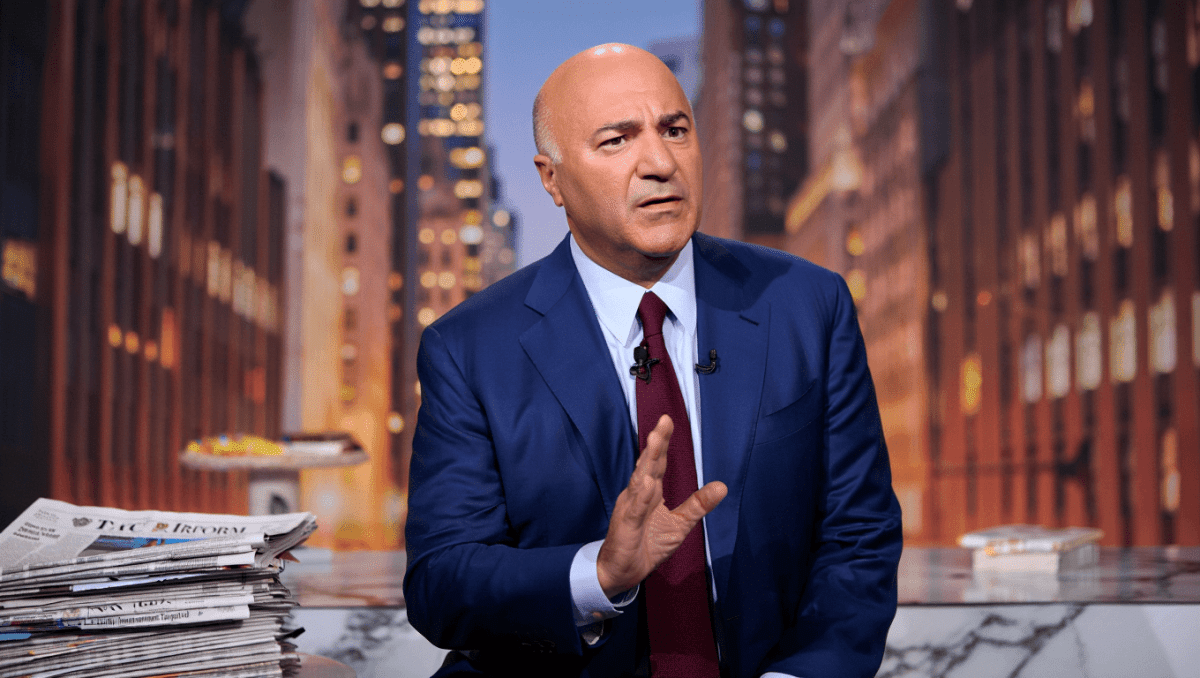
Kevin O’Leary, chairman of O’Leary Ventures, weighed in during a televised interview, arguing that taxing nonresident owners could backfire. He emphasized that many of these buyers contribute to local economies through property taxes and maintenance spending while not placing the same demands on public services as full-time residents.
Business leaders say the policy risks eroding a fragile advantage
Executives and real-estate investors have increasingly signaled that tax shifts influence relocation and investment decisions. In recent years, several high-tax states have seen capital and affluent residents move to lower-tax jurisdictions, a trend that critics of the new levy say New York should heed.
Those opposed contend the measure would discourage the kind of outside investment that funds construction, supports local contractors and creates payrolls—activities they argue are especially valuable when cities are trying to spur economic growth.
What’s at stake for the city and its residents
- Revenue generation: Higher levies could produce short-term income for city budgets but may be uncertain if owners change behavior.
- Investment flows: Developers and wealthy buyers might redirect capital to markets with lighter tax burdens.
- Labor and maintenance: Properties owned by nonresidents often sustain local jobs in building maintenance and management.
- Public services pressure: Proponents argue second-home owners use fewer municipal services, while opponents question the fairness of exemptions.
- Real-estate market volatility: Sudden tax hikes can affect pricing and demand in luxury segments.
The policy fight underscores a recurring dilemma for municipal finance: how to expand the tax base without making a city less attractive to outside capital. Lawmakers must weigh immediate budgetary needs against longer-term consequences for investment, jobs and housing markets.
As the debate continues, officials will need detailed revenue estimates and careful analysis of behavioral responses from investors to avoid unintended fallout. The outcome will shape not only this year’s budgets but also broader perceptions of New York’s competitiveness for the wealthy and the firms that serve them.