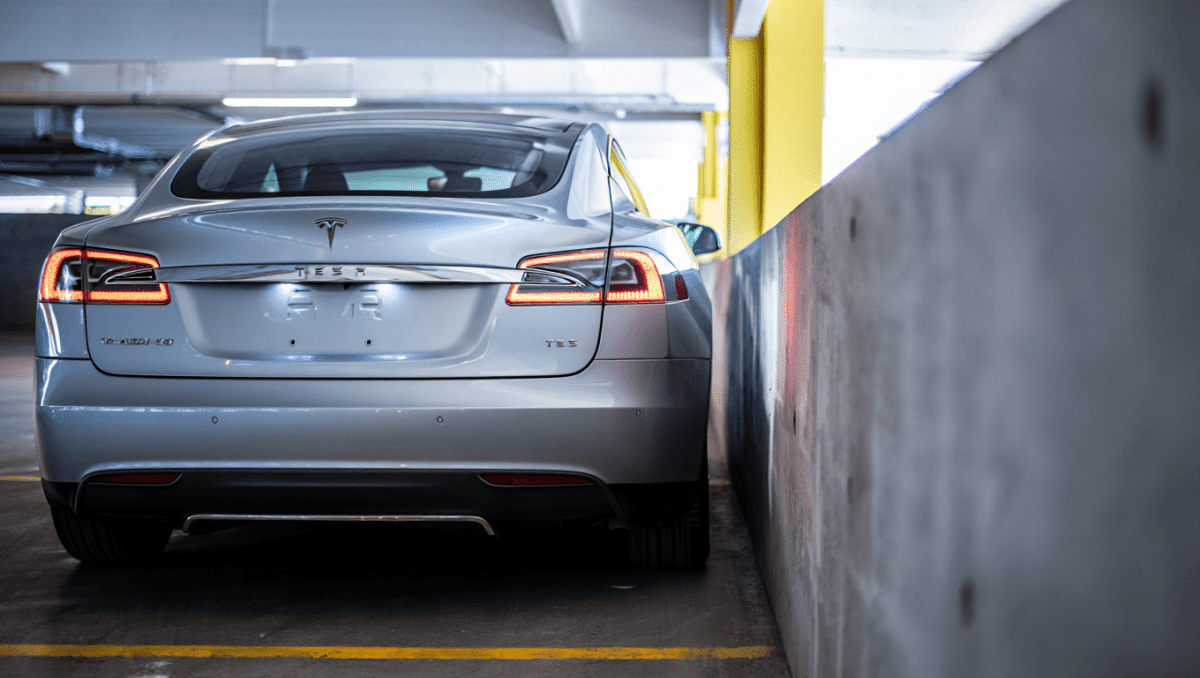
Tesla is recalling roughly 218,900 vehicles after U.S. safety regulators warned that a delayed rear camera image when shifting into reverse could raise the chance of a backing collision. The recall, announced this week by the National Highway Traffic Safety Administration, affects multiple Model 3, Model Y, Model S and Model X model years and will be addressed with a software update pushed remotely.
The NHTSA says the issue is a lag or temporary loss of the rearview camera display at the moment a vehicle is placed in reverse, which can reduce what a driver sees behind the car. Regulators flagged the problem because diminished camera feedback may make backing maneuvers riskier, particularly in crowded or tight spaces.
Which cars are included
The recall covers 218,868 vehicles equipped with Tesla’s hardware version 3. Affected model years include examples across the automaker’s sedan and SUV lines:
- Model 3: 2017, 2021–2023
- Model Y: 2020–2023
- Model S: 2021–2023
- Model X: 2021–2023
Tesla stopped producing the hardware version implicated in the recall in January 2024, the company has said.
What Tesla and regulators report
According to the recall filing, drivers may experience a delayed rear camera view when selecting reverse, which could impair visibility. The agency noted that affected drivers might still use mirrors and shoulder checks to compensate while backing.
Tesla told regulators there have been no confirmed crashes, injuries or fatalities linked to the camera delay. The company has received 27 warranty claims and two field reports potentially related to the defect.
Fix and deployment
Tesla will remedy the fault with an over-the-air firmware update. The problematic build is identified as version 2026.8.6; the corrective release is version 2026.8.6.1. Tesla reported that more than 99.92% of affected vehicles have already received and installed the patched software.
The remote update route means most owners will not need to visit a service center, but Tesla advises drivers to confirm their vehicle completes the installation and to continue using conventional visual checks when reversing until the update is applied.
Regulatory backdrop
This recall follows a recent NHTSA action: last month the agency closed a probe into roughly 2.6 million Tesla vehicles concerning a separate feature that could allow limited remote movement of a car. That investigation concluded the issue was confined to low-speed situations and did not warrant further enforcement.
For owners, the immediate takeaway is practical: check your vehicle’s software status and accept the forthcoming update. For safety observers and regulators, the recall underscores how connected-vehicle software — while convenient for fixes — still requires close oversight because failures in digital systems can have direct, real-world safety consequences.