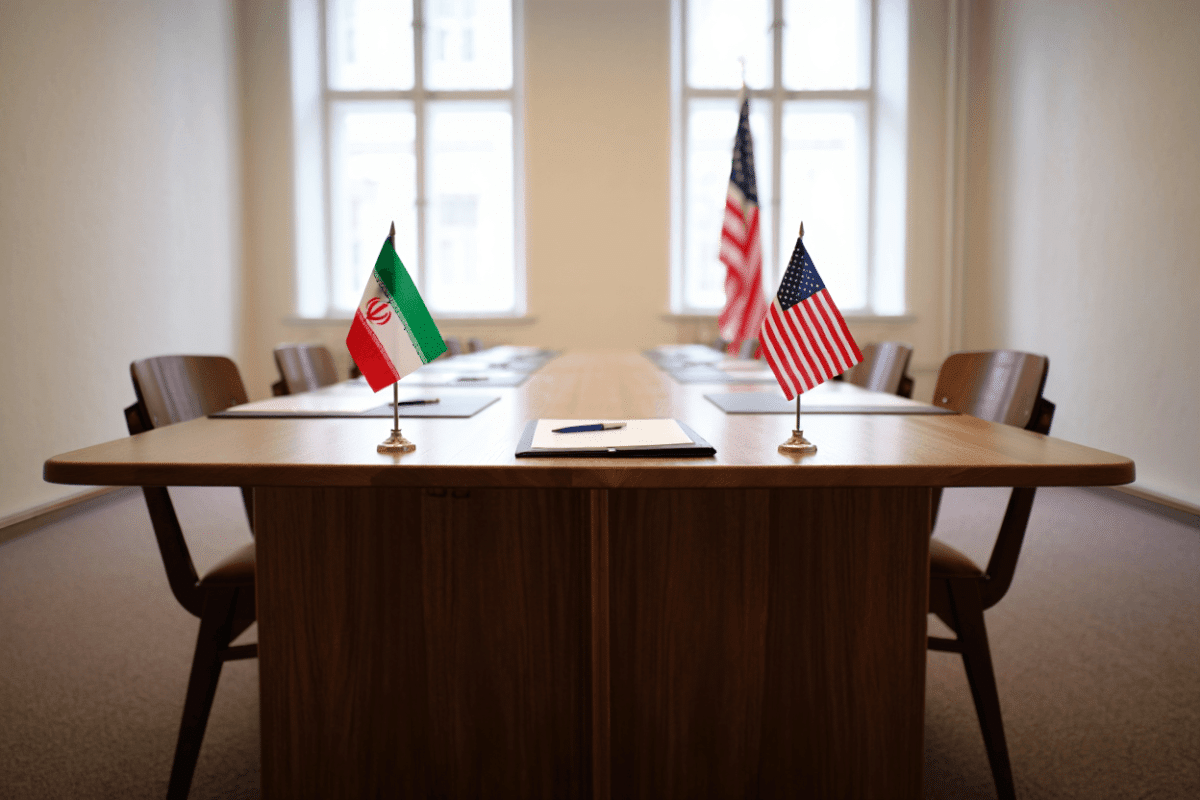
Iran’s Supreme Leader Ayatollah Mojtaba Khamenei approved a memorandum of understanding with the United States on June 18, despite holding reservations about the deal, and endorsed direct negotiations with Washington to implement it over the coming 60 days.
In a written statement carried by Iranian state media, Khamenei said he had “a different opinion” on the agreement but granted permission after President Masoud Pezeshkian and other senior officials pledged to safeguard Iran’s rights and the interests of the “Resistance Front.” According to Reuters, Pezeshkian, in his capacity as head of the Supreme National Security Council, accepted responsibility for ensuring the agreement protected Iran’s interests and pledged not to yield if Washington made what Khamenei described as excessive demands.
The memorandum was electronically signed by U.S. President Donald Trump and Iranian President Pezeshkian earlier in the week, following a ceasefire agreement intended to end the conflict that began after U.S. and Israeli attacks on Iran in February 2026. The agreement calls for a permanent end to hostilities and starts a 60-day negotiating clock to reach a final deal on the future of Iran’s nuclear program, according to the Washington Post.
Khamenei also signaled openness to face-to-face talks with the United States. “It is obvious that the face-to-face negotiations that will be held in the future will not mean accepting the enemy’s opinion,” he said in the statement, according to Al Jazeera. This marked a significant shift, as Khamenei had previously rejected direct talks with Washington.
The 14-point memorandum includes immediate measures to ease tensions. Iran has suspended Strait of Hormuz transit charges for commercial vessels for 60 days, while the United States has lifted its naval blockade of Iranian ports. According to U.S. Vice President JD Vance, the 60-day negotiating period between Tehran and Washington formally began on June 18, with restrictions on maritime traffic to Iranian ports lifted.
The negotiations ahead are expected to focus on some of the most contentious issues dividing the two countries regarding sanctions relief and Iran’s nuclear program. The memorandum also provides negotiators with up to 60 days to reach a final agreement covering Iran’s nuclear program, with the possibility of extension by mutual consent. Khamenei warned that Tehran would not accept additional demands from Washington, stating: “If the American side wants to be greedy, they will not accept it,” according to Al Jazeera.
The head of the International Atomic Energy Agency welcomed the signing and offered to assist both sides with verification measures related to Iran’s nuclear activities. The easing of tensions has prompted several countries to revise travel advice and lifted force majeure notices on oil shipments through the Strait of Hormuz.
Sources
- Al Jazeera — Khamenei’s approval statement, his endorsement of direct negotiations, and his warning on excessive American demands
- Reuters — Khamenei’s authorization of the memorandum, Pezeshkian’s role, and Khamenei’s position on future negotiations
- Washington Post — 60-day negotiating period and permanent end to hostilities
- U.S. Vice President JD Vance statement — Formal beginning of 60-day negotiation period and lifting of maritime restrictions