S&P 500 futures gained 0.2% in early trading on August 4, 2026, extending momentum from the previous day when the benchmark index surged 1.5% as falling crude oil prices eased inflation concerns on Wall Street.
The modest futures gain reflected a market still digesting the previous session’s sharp rally, which was powered by a 4.7% drop in Brent crude to $83.77 per barrel after President Donald Trump announced he would hold off on new military strikes against Iran. WTI crude fell further on August 4, declining 4% to $77.11 per barrel as traders priced in the possibility of improved global oil supply if diplomatic tensions with Iran ease, according to market analysis.
The oil price retreat proved significant because crude had swung wildly through July, ranging between $72 and $102 per barrel as geopolitical risk surrounding the Strait of Hormuz—a chokepoint for roughly 20% of global oil shipments—created uncertainty about energy supply. Lower oil prices directly benefit companies with high fuel costs. On August 3, United Airlines climbed 5.8%, American Airlines rose 5%, and Norwegian Cruise Line Holdings gained 6.6% as investors anticipated margin expansion from reduced fuel expenses.

Beyond energy concerns, corporate earnings momentum provided additional support for equities. Companies in the S&P 500 are on track to deliver earnings per share for the spring that are 47% higher than a year before, according to FactSet, with more than half of the index already having reported results. This represents the strongest growth since the spring of 2021, when the economy was rebounding from the COVID pandemic. A report on August 3 also showed that growth for U.S. manufacturing accelerated to its strongest level since 2022, signaling economic resilience.
The S&P 500 closed August 3 at 7,600.50, just 0.1% below its all-time closing high of 7,609.78 set earlier in the summer. The Dow Jones Industrial Average reached an all-time high of 53,178.41, up 1.3%, while the Nasdaq composite leaped 2.1% to 25,913.90. The rally marked a sharp turnaround after a volatile July, when the index swung between gains and losses as crude prices fluctuated on geopolitical developments.
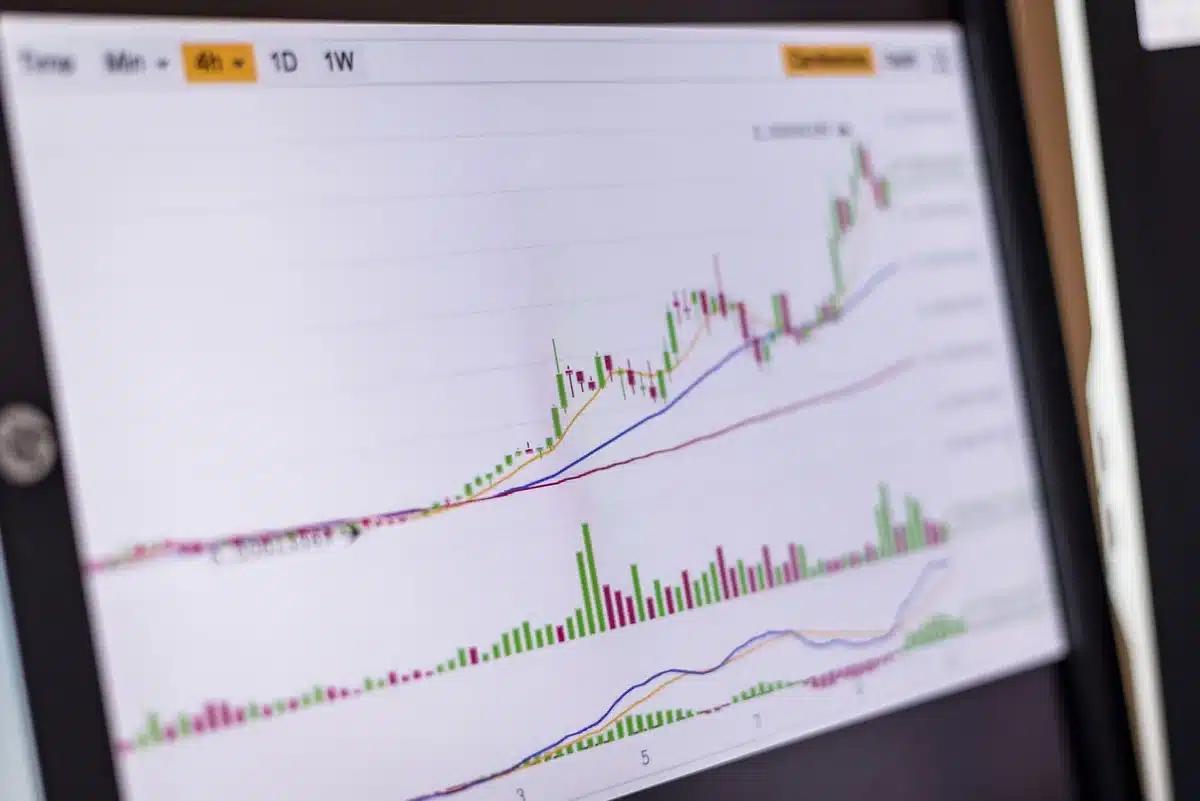
Treasury yields also eased as oil prices fell and geopolitical risk diminished. The yield on the 10-year Treasury dropped to 4.68% from 4.75% late Friday, though it remains well above the 3.97% level recorded before the Iran conflict escalated. Falling yields can support stock valuations by reducing discount rates applied to future corporate earnings, though yields remain elevated enough to keep borrowing costs high for households and businesses.
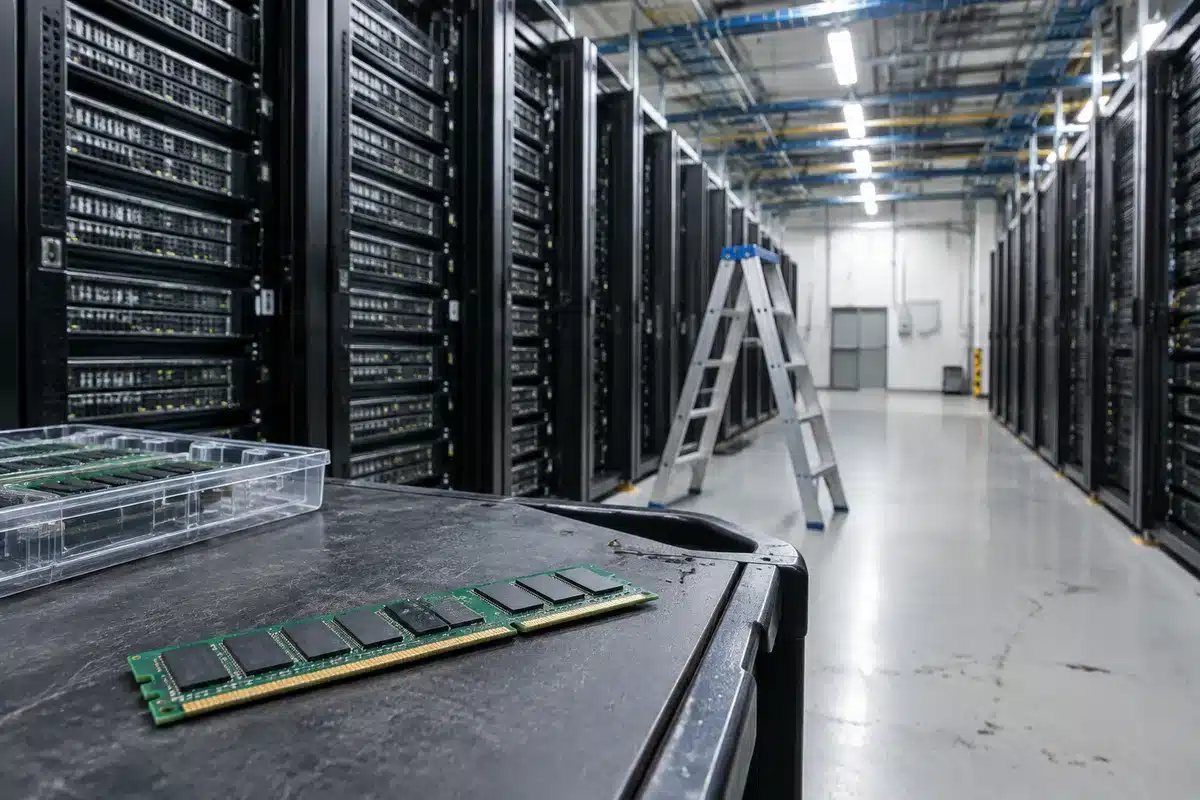
The early August trading came as investors assessed whether the market’s strong run—with the S&P 500 up roughly 10.8% year-to-date—could be sustained. Volatility in semiconductor and AI-related stocks has persisted, with traders debating whether the surging revenues from artificial intelligence investments will translate into durable profit growth or prove unsustainable if companies scale back their spending on data centers.
Sources
- CME Group — E-mini S&P 500 futures quotes showing +0.20% gain on August 4, 2026.
- Sun Sentinel / Associated Press — August 3 market report detailing the S&P 500’s 1.5% rally, oil price declines, airline stock gains, and corporate earnings growth.
- Intellectia AI — August 4 analysis of WTI crude oil’s 4% decline to $77.11 per barrel and geopolitical drivers.
- Trading Economics — Crude oil price data showing August 4 movement and year-to-date context.