Israel and Hezbollah agreed to a ceasefire beginning at 4 p.m. local time on Friday, a senior U.S. official confirmed, ending an escalation in fighting that threatened to derail the broader U.S.-Iran peace deal signed just two days earlier.
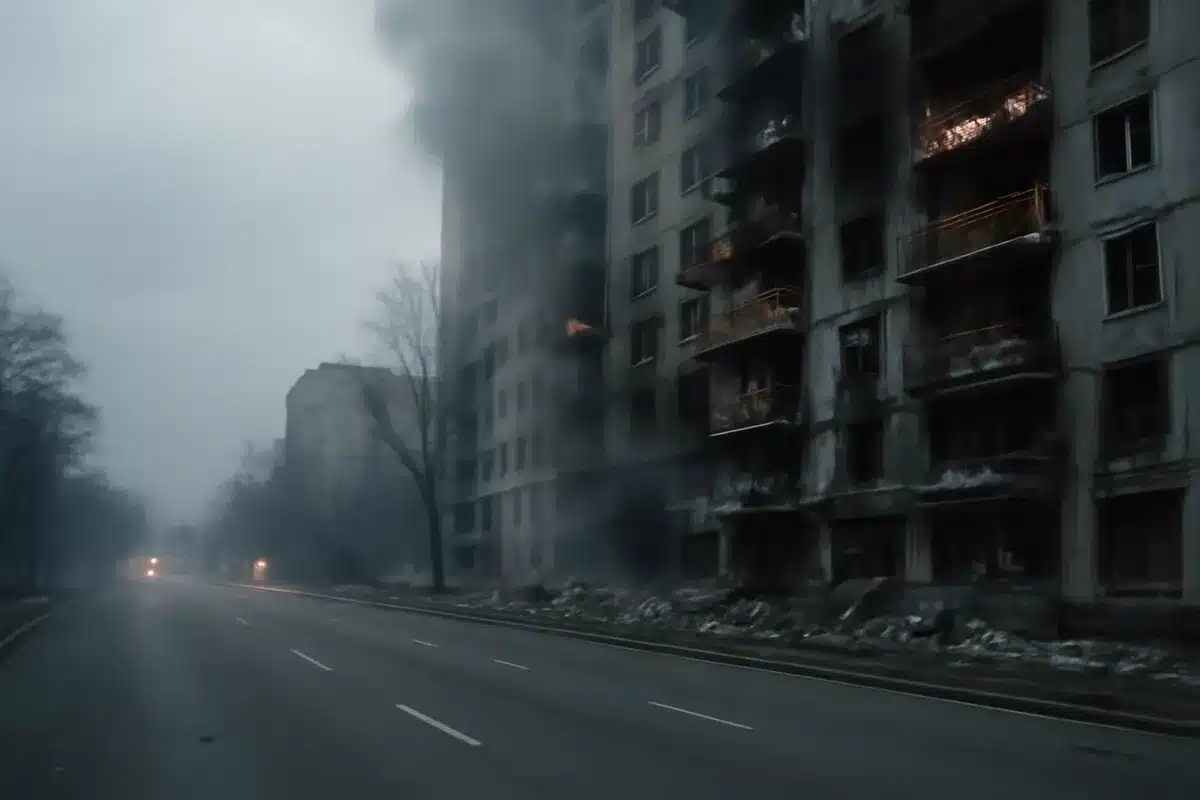
The ceasefire came after intensive clashes in southern Lebanon that killed 47 people in airstrikes, according to Arab News, and claimed the lives of at least four Israeli soldiers. The fighting erupted as planned talks between the United States and Iran in Switzerland were being called off, marking the first major test of the fragile 60-day ceasefire agreement the two nations signed on June 17.
The U.S.-Iran memorandum of understanding, a 14-point agreement released by CNN and confirmed by multiple outlets, extends the ceasefire between Washington and Tehran for 60 days while negotiations continue on a permanent end to the war. The deal also includes reopening the Strait of Hormuz and lifting a U.S. naval blockade, according to Al Jazeera and Reuters reporting on the agreement’s terms.
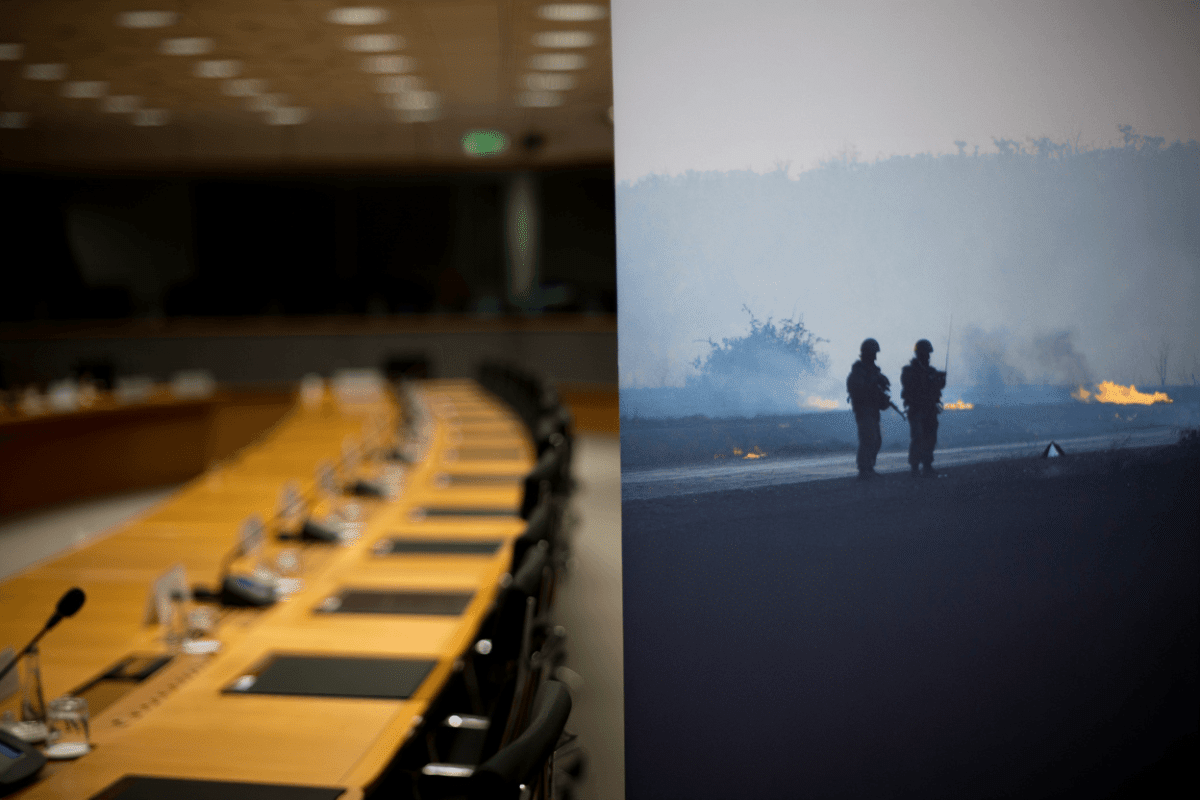
The fighting in Lebanon and its threat to the broader deal highlight a core tension: the U.S.-Iran agreement explicitly calls for a “permanent termination of the war on all fronts, including in Lebanon,” according to The New York Times. Yet Israel has been reluctant to fully commit to a lasting ceasefire with Hezbollah, the Iran-backed militant group, raising questions about whether the regional agreement can hold.
The escalation began earlier this week when Israeli strikes intensified in southern Lebanon. Iran had previously warned, according to DW, that “continued Israeli presence in Lebanon would violate the interim US–Iran deal.” On June 2, Iran suspended talks with the U.S. to protest Israeli operations in the region, according to NBC News, signaling how closely linked the Lebanon fighting is to the broader ceasefire negotiations.
The March 2026 resumption of major fighting between Israel and Hezbollah broke down a previous ceasefire that had been in place since November 2024, according to Wikipedia’s account of the Hezbollah-Israel conflict. That prior war killed more than 4,000 people in Lebanon, as noted in Al Jazeera reporting from January 2026.
Vice President JD Vance postponed his trip to Switzerland to formally sign the U.S.-Iran agreement, according to CBS News and Yahoo News, underscoring how the Lebanon fighting directly jeopardized diplomatic progress. With the new Israel-Hezbollah ceasefire in place, negotiations between Washington and Tehran are expected to resume, though no new date has been set.
The U.S. and Qatari negotiators brokered the Israel-Hezbollah agreement, according to India Today, and neither Israel nor Hezbollah formally signed it—a structure that has characterized ceasefire attempts in the region throughout 2026. The agreement’s durability remains uncertain, given previous violations and the underlying disputes between the parties.
Sources
- Reuters — Israel-Hezbollah ceasefire agreement and U.S.-Iran talks postponement
- AP News — Israel-Hezbollah ceasefire confirmation and timing
- Arab News — 47 killed in airstrikes before ceasefire
- CNN — 14-point U.S.-Iran agreement text and details
- BBC — U.S.-Iran memorandum of understanding terms
- NPR — U.S.-Iran agreement framework and 60-day ceasefire extension
- Al Jazeera — Strait of Hormuz reopening and agreement terms; prior ceasefire context
- The New York Times — U.S.-Iran agreement language on Lebanon and all fronts
- DW — Iran’s warning about Israeli presence in Lebanon
- NBC News — Iran suspension of talks over Israeli operations
- PBS — Israel-Hezbollah ceasefire and U.S.-Iran talks postponement
- CBS News — Vance trip postponement
- India Today — U.S. and Qatari brokering of ceasefire agreement