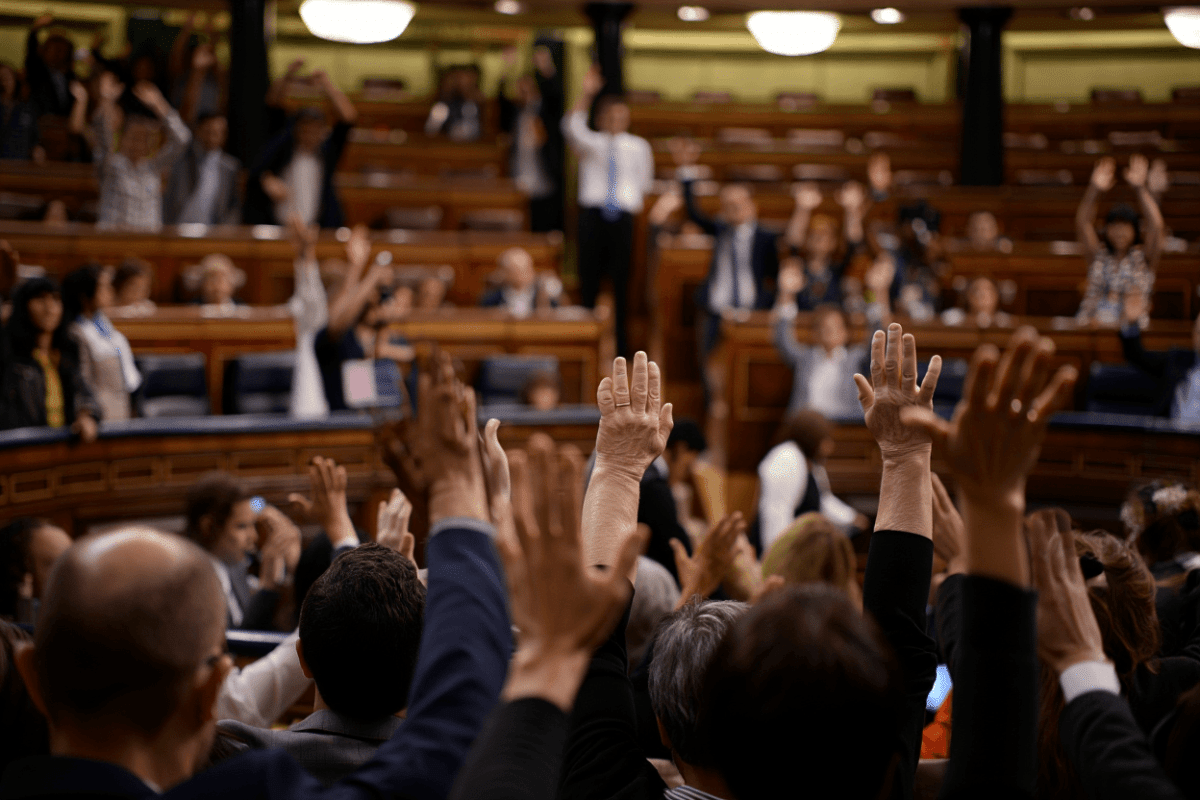
Cuba’s National Assembly unanimously approved nearly 200 sweeping free-market economic reforms on Thursday, marking the single largest shift in the island’s socialist model since the 1959 revolution. The measures represent a historic concession from the Communist government, which for decades resisted opening its economy to private enterprise and foreign investment.
Prime Minister Manuel Marrero unveiled 176 measures in a nearly two-hour speech to lawmakers, who voted unanimously to adopt the package. Under the reforms, foreign investors are no longer required to form joint ventures with the state, large private enterprises will be authorized, and both Cuban and foreign investors will be allowed to acquire stakes in state companies. Private banks will be permitted to operate, and private citizens will have the right to buy, develop, and sell real estate—a fundamental shift in a country where the state has long controlled land and industry.
The reforms also allow businesses to hire more than 100 employees for the first time, permit entrepreneurs to own multiple firms, and grant municipalities greater autonomy to approve businesses and manage foreign-currency revenue. State-owned companies will gain freedom to design their own pay systems, distribute profits with fewer restrictions, and enter partnerships with private businesses. Cuba has about 2,000 state-owned enterprises that will be affected by these changes.
The economic crisis driving these changes stems from a U.S. oil blockade that began in February 2026. The Trump administration has blocked oil tankers from reaching Cuba, targeting companies like Mexico’s state-owned Pemex and threatening tariffs against countries that resist. As an island nation heavily dependent on imported fuel, Cuba has been pushed to the brink of economic collapse. Power cuts lasting over 30 hours have become routine, and shortages of food, fuel, drinking water, and medicine are acute. The United Nations High Commissioner for Human Rights warned in May that “children are dying” in Cuba due to shortages of medical supplies.
President Miguel Díaz-Canel acknowledged the depth of the crisis in his speech to lawmakers, admitting to the existence of “obstacles that don’t come from outside, nor the blockade,” including “slowness, bureaucracy and norms that impede those who want to produce.” However, he insisted the government was “not doing this because of pressure from the Yankees,” but to “preserve” socialism. He also noted that negotiations with the United States, which began earlier in the year, appear to have stalled.
Former Cuban leader Raúl Castro, who was indicted by the U.S. in May on charges related to the 1996 downing of two civilian planes, threw his weight behind the measures in a written letter presented to lawmakers. He called the reforms “beneficial” and urged their speedy implementation, a significant endorsement from the aging revolutionary leader.
Cuba faced a comparable economic crisis in the 1990s following the collapse of the Soviet Union. When Soviet subsidies ended in 1990, the island entered what became known as the “Special Period,” marked by severe shortages, rationing, and widespread hardship. From the start of that crisis to 1995, Cuba’s gross domestic product shrank 35 percent. To survive, the government introduced limited market-oriented reforms, including legalizing small businesses such as family restaurants, permitting private employment, and allowing the use of U.S. dollars—measures that were considered heretical at the time but helped the economy recover gradually. The 2026 reforms are far more ambitious and sweeping than those 1990s measures.
Economist Daniel Torralbas described the current package as “the most profound” economic changes since the 1959 revolution. The reforms also reflect the experiences of China and Vietnam, communist countries that have introduced market-oriented reforms while maintaining one-party rule—a model Díaz-Canel cited as inspiration for the emergency plan.
Prime Minister Marrero told lawmakers that the measures recognize the market as “an instrument for the efficient allocation of resources,” a striking concession from a Communist Party official. The reforms will establish a new taxation system and make public and private sector businesses—both foreign and domestic—partly responsible for underwriting public services that Cuba has long provided at heavily subsidized rates, including free or low-cost education, medical care, and transportation.
It remains unclear whether the reforms will satisfy the Trump administration, which has signaled interest in regime change as well as economic transformation. Vice President JD Vance said Washington wanted Cubans to be “happy and successful” and is “talking to the Cuban government right now about how they could change their ways.” The U.S. has also indicted Raúl Castro and brought a paramilitary leader involved in the capture of Venezuelan President Nicolás Maduro to a CIA meeting in Havana in early May, signaling continued pressure on Cuba’s leadership.
Many ordinary Cubans, exhausted by weeks of power cuts and food shortages, expressed skepticism that the reforms would arrive in time. But the country’s burgeoning small business sector welcomed the changes. Mario Gonzales, a 32-year-old restaurant manager in Havana’s historic old town, said the reforms “offer hope” for a tourism revival.
Sources
- Reuters — Cuban lawmakers unanimously approved reforms backed by the Communist Party and Raúl Castro; details on the 175+ measures, privatization of state enterprises, and private banking
- AP News — Comprehensive breakdown of reform measures including decentralization, municipal independence, elimination of state intermediaries, and phasing out of subsidies
- CBS News — Prime Minister Marrero’s speech, the unanimous vote, foreign investor changes, and context on the oil blockade and economic crisis
- Wikipedia (2026 Cuban crisis) — Details on the oil blockade beginning in February 2026 and its humanitarian impacts
- Guardian — Context on the oil blockade imposed by Trump in January and its role in bringing the economy to the brink of collapse
- Wikipedia (Special Period) — Historical precedent: Cuba’s 1990s economic crisis following Soviet collapse, GDP contraction, and market-oriented reforms