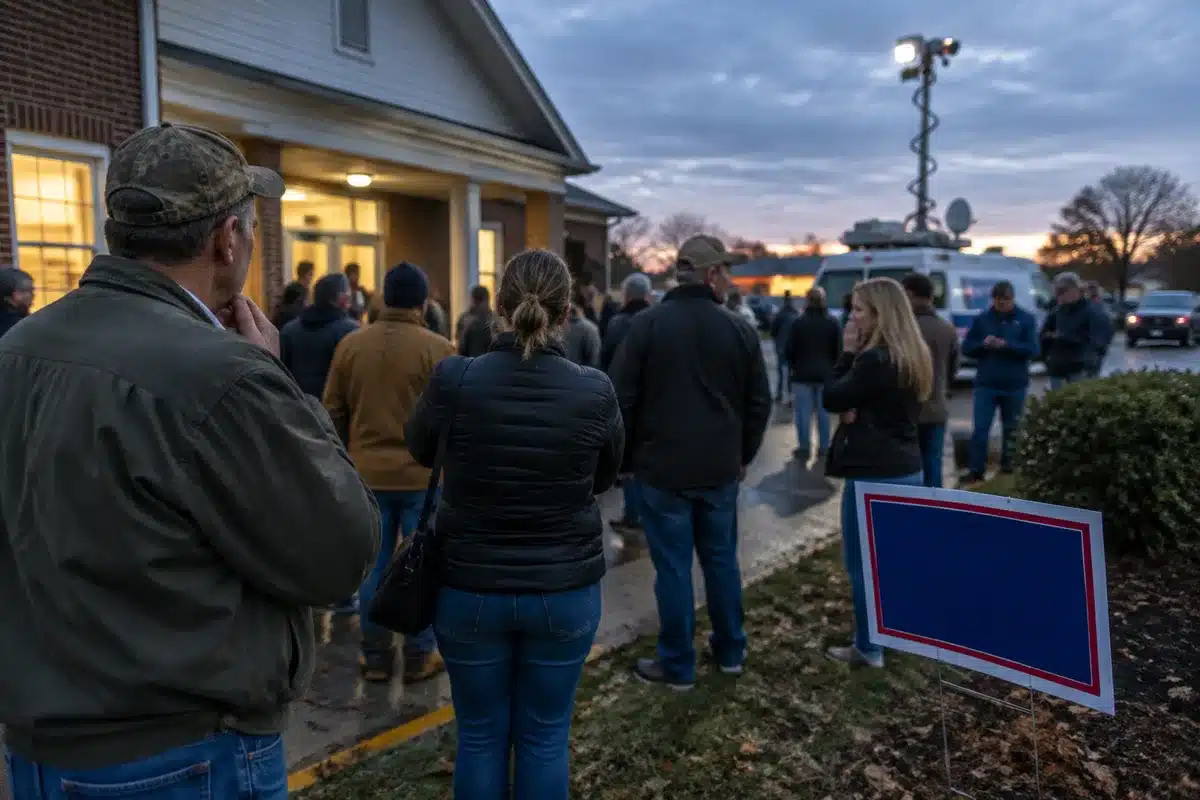
President Trump’s approval rating among rural voters has fallen to 50 percent, down from 60 percent in February 2025, according to a Reuters/Ipsos poll conducted June 3-8. The decline marks a significant reversal for a voting bloc that delivered Trump a 30-point victory margin in the 2024 presidential election but now finds his support underwater, with disapproval rising to 48 percent from 34 percent earlier this year.
A separate NPR/PBS NewsHour/Marist poll released June 18 painted an even starker picture, showing Trump’s net approval among rural Americans at minus 10 points—a plunge of 32 percentage points from his plus 22 rating in February 2025. In that survey, 43 percent of rural Americans approved of Trump while 53 percent disapproved.
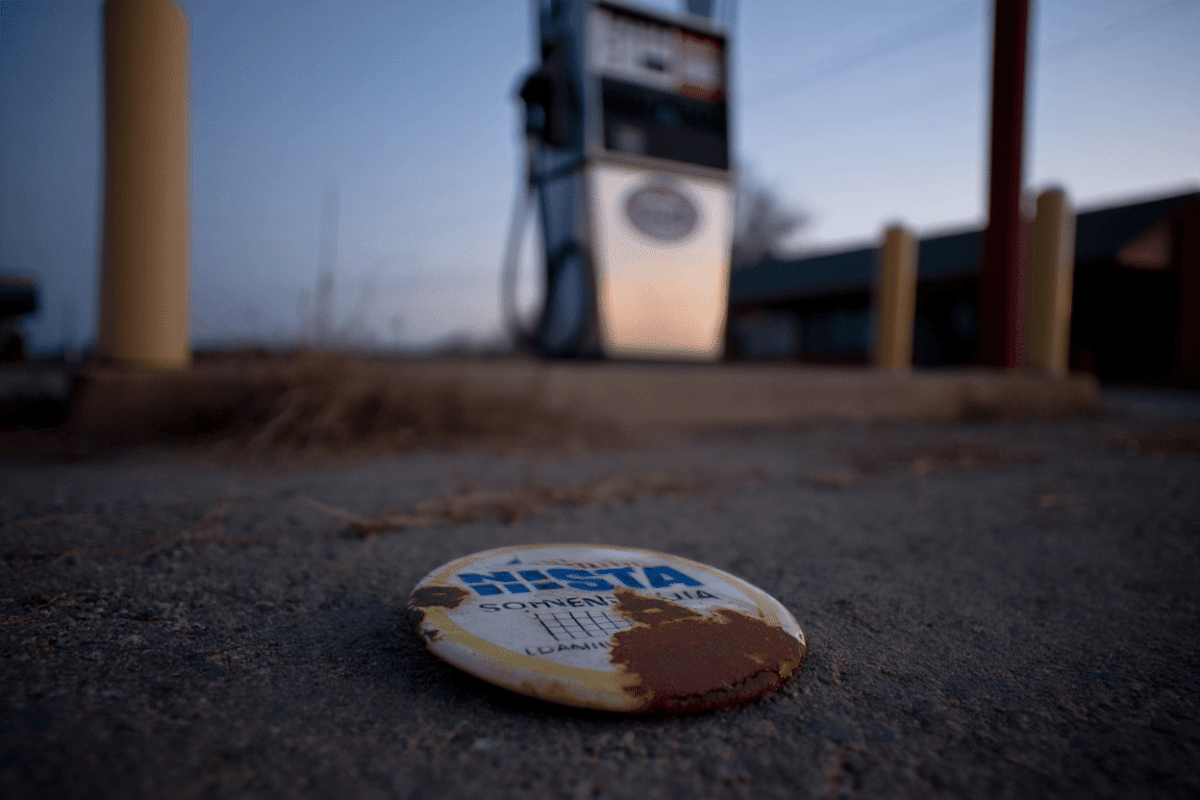
The erosion of rural support reflects mounting economic pressures tied directly to the Iran war. Gas prices remain elevated, fuel costs for farmers have surged, and food prices continue climbing—all disproportionately affecting rural residents who travel farther and depend more on fuel-intensive operations. Rural Americans drive an average of 30 miles daily in vehicles, compared to 17 miles for urban residents, according to 2022 data from the Department of Transportation’s National Household Travel Survey.
Brian Rauch, a 42-year-old from rural Stevensville, Montana, voted for Trump in the last three presidential elections but now disapproves of his performance. “My day to day is negatively impacted and I haven’t seen these other benefits,” Rauch said, citing higher gas prices on his 30-mile drives to the doctor’s office, rising food costs, and concerns about the U.S.-Israeli war with Iran.
The polling data shows rural dissatisfaction centers on Trump’s stewardship of the economy. Just 31 percent of rural respondents approve of his handling of cost-of-living and economic issues, while 61 percent disapprove—a sharp reversal from February 2025, when about 45 percent approved and 43 percent disapproved of his economic management.
Beyond gas and food prices, rural America faces compounding pressures. Farmers struggle with rising diesel fuel and fertilizer costs exacerbated by the Iran war’s disruption of global shipping lanes, particularly the Strait of Hormuz. Low crop prices and Trump’s trade policies have further squeezed agricultural margins. Rural residents also face changes to Medicaid eligibility under the One Big Beautiful Bill Act, which Trump signed into law in July 2025, introducing work requirements that experts warn may be difficult to meet in areas with seasonal or informal employment.
Suzanne Mettler, a professor of government at Cornell University and co-author of “Rural Versus Urban: The Growing Divide That Threatens Democracy,” attributed the approval decline to multiple factors. “As well, many farmers have been adversely affected by tariffs,” she said. “Changes to Medicaid are also likely to be harming many rural residents, who particularly rely on the program for health care.”
The political stakes for the 2026 midterm elections are substantial. Rural voters remain crucial in Senate races across Maine, North Carolina, Ohio, and Texas—all potential battlegrounds where Trump’s standing could shape outcomes. Historically, the party holding the White House loses seats in midterms, and Republicans already hold razor-thin majorities in both chambers of Congress. If disaffected rural voters either defect to Democrats or sit out the elections, the GOP could face significant losses.
Despite the overall decline, rural voters remain Trump’s strongest demographic base. His approval among those living in big cities stands at minus 37 points, minus 18 points in small cities, minus 26 points in suburbs, and minus 19 points in small towns. His overall approval rating across all demographics stands at 36 percent, with 59 percent disapproving.
Sources
- Reuters — Trump’s approval rating among rural Americans (50%), conducted June 3-8, 2026; rural disapproval (48%), compared to February 2025 (34%); rural respondent approval of economic handling (31%); rural daily vehicle miles traveled (30 miles vs. 17 urban)
- Newsweek — Trump’s net approval with rural voters (minus 10 points), NPR/PBS NewsHour/Marist poll, June 8-11; rural approval (43%), disapproval (53%); February 2025 net approval (+22 points); Trump’s 2024 rural margin (30 points); expert commentary from Suzanne Mettler, Cornell University
- The Hill — Reuters/Ipsos poll details (June 3-8, 50% rural approval, 48% disapproval); February 2025 baseline (60% approval, 34% disapproval); food price increases (0.5% March-April, 0.2% April-May, 3.1% year-over-year in May); Medicaid work requirements effective January 1, 2027; National Rural Health Association concerns