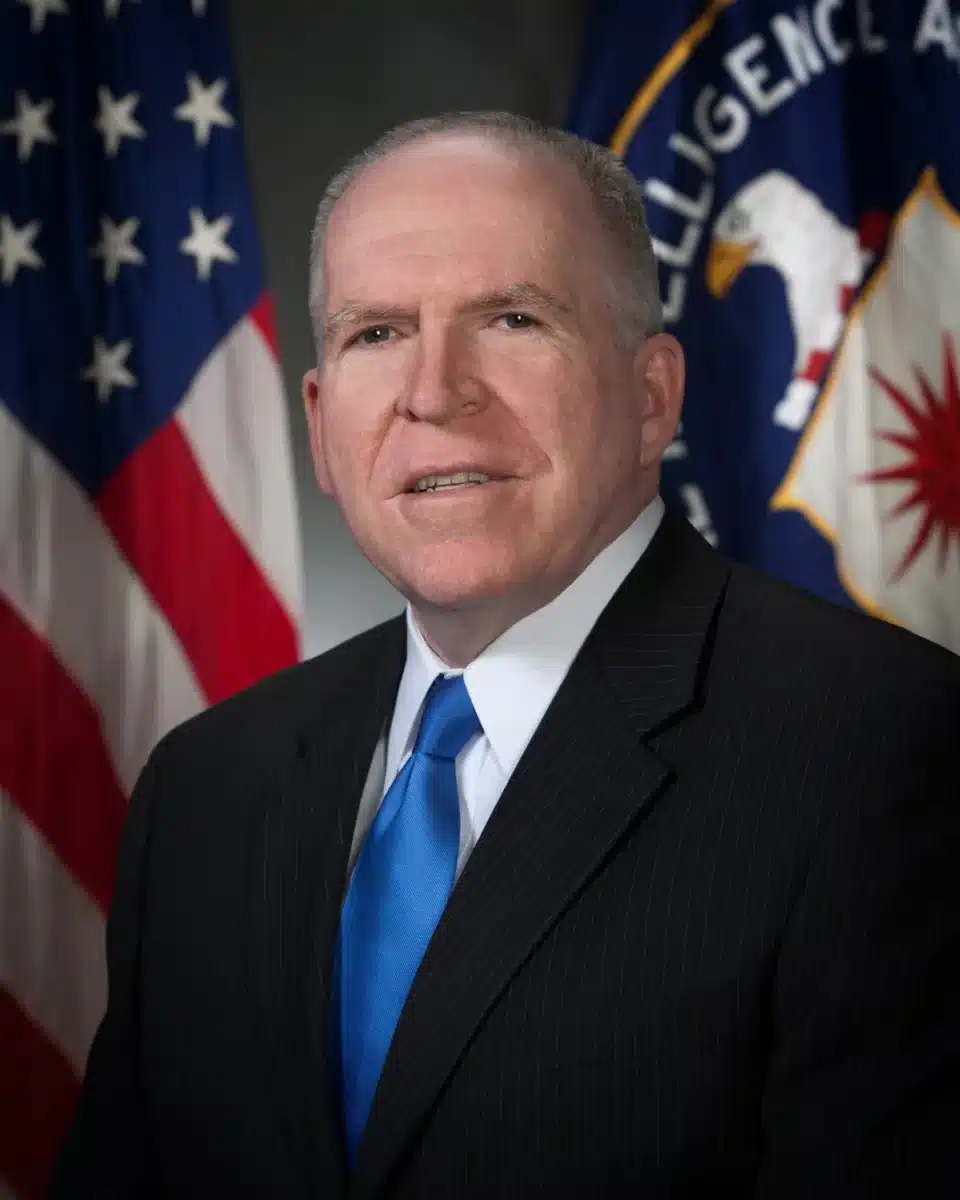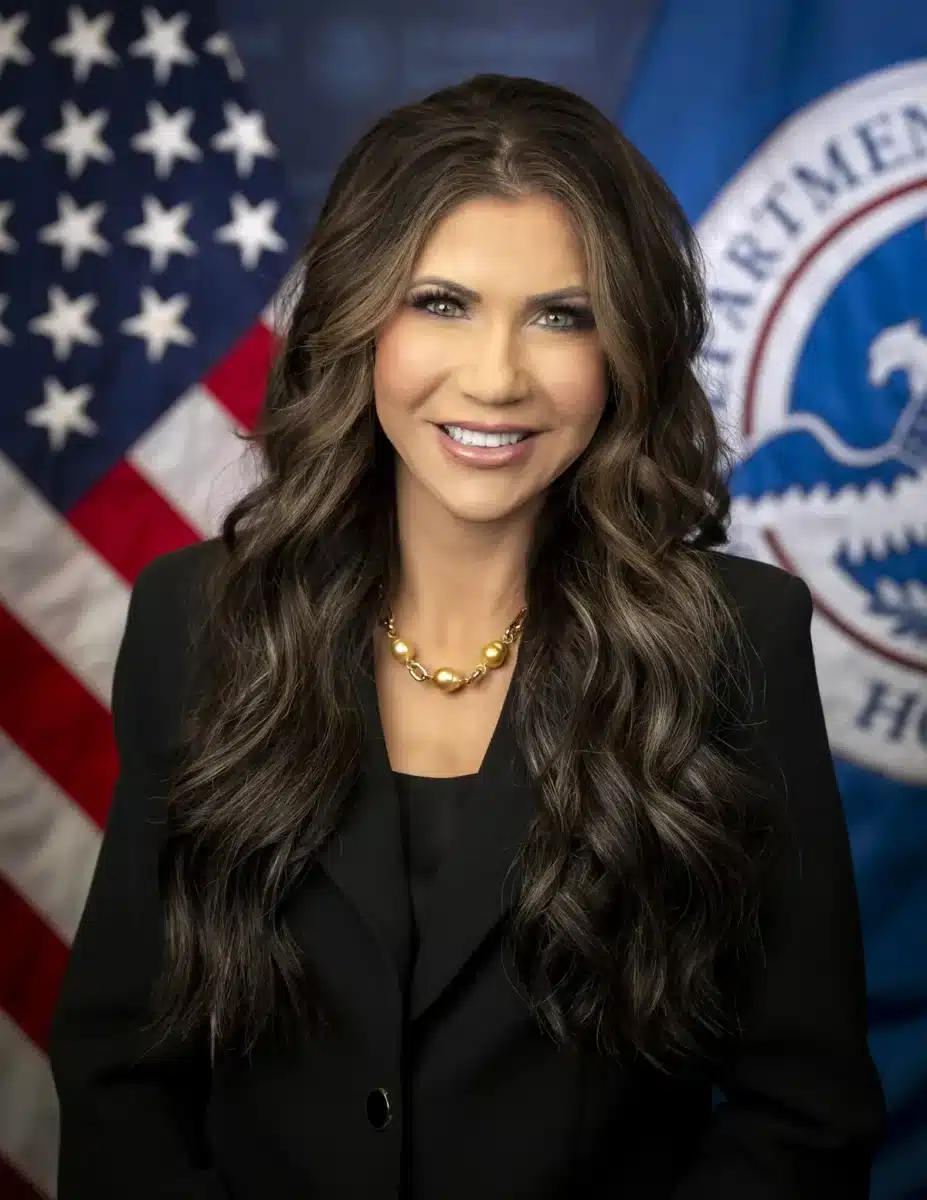
President Trump signed an executive order on August 3, 2026, establishing the President’s Military Spouse Commission, a formal advisory panel designed to address persistent quality-of-life challenges facing military families. The commission will advise the White House on policies affecting military spouses and develop recommendations in areas including housing, employment, healthcare, education, childcare, and deployment-related support.
Jennifer Hegseth, wife of Defense Secretary Pete Hegseth, will chair the commission. The panel will include more than 20 members, comprising the spouses of service secretaries, members of the Joint Chiefs of Staff, and senior enlisted leaders. According to the White House fact sheet, these members collectively bring more than 400 years of experience as military spouses.
Trump emphasized the urgency of the initiative during the signing ceremony, calling it “long overdue.” The commission will engage directly with military spouses to identify challenges affecting military families and provide annual policy recommendations to the President. Members will serve without compensation but may receive reimbursement for travel expenses, and the group will meet monthly at the White House. The commission is set to operate for two years unless the President extends it.

Military spouses have long faced significant employment barriers. For more than a decade, military spouses have struggled with unemployment rates above 20%, according to Military Times. These challenges are compounded by frequent relocations every two to three years, lengthy deployments, and limited access to affordable childcare. According to Blue Star Families research cited in the commission announcement, 54% of active-duty spouses cite unemployment as a top challenge, and nearly one-third of military spouses who want to work report they cannot find childcare.
Prior administrations have attempted to address military family issues. The Obama administration launched the Joining Forces initiative in 2011, led by First Lady Michelle Obama and Dr. Jill Biden, which aimed to support military families through employment opportunities, childcare access, and education. The Biden administration continued these efforts, but the Department of Defense Family Readiness Council, a congressionally mandated advisory body that had examined military family issues for over a decade, has not met since early 2025 when the DOD ordered a review of all advisory committees.
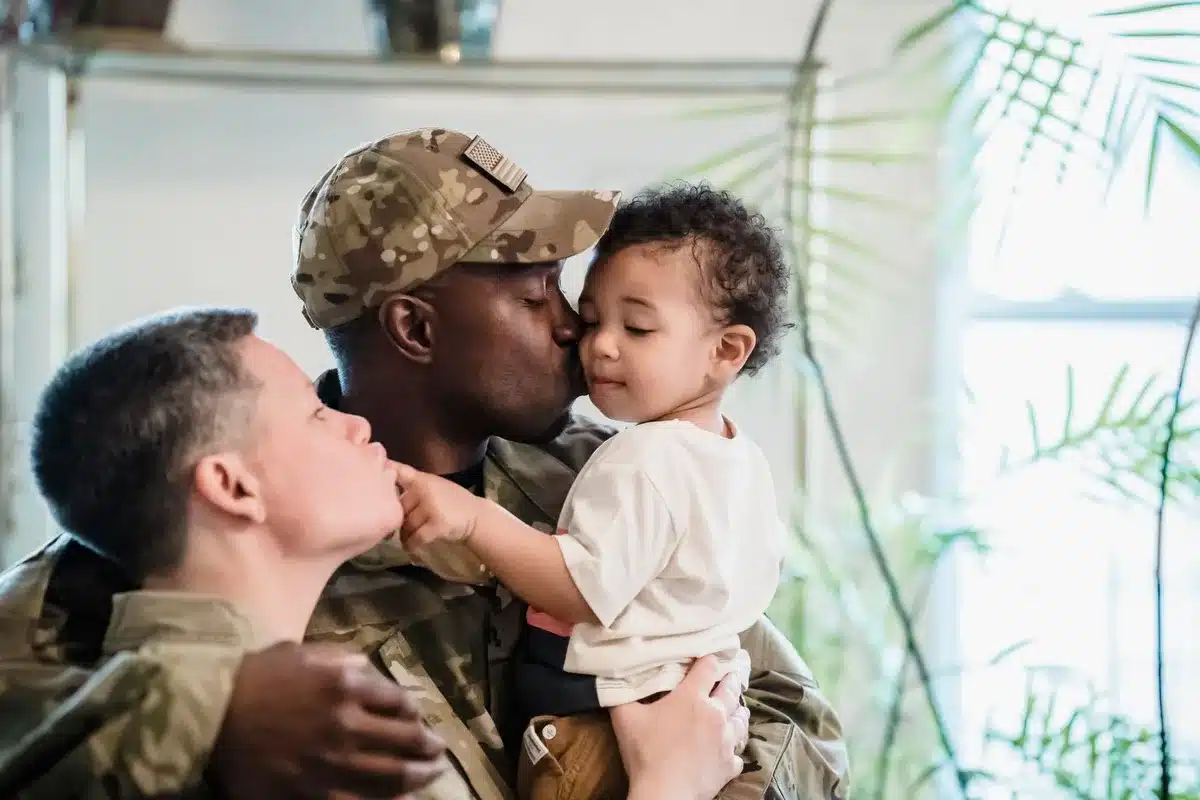
The creation of a dedicated presidential commission reflects recognition that military readiness depends on family stability. The White House fact sheet states that “military spouses provide critical support that enables America’s service members to accomplish their mission and defend the Nation,” and that “strong military families help build a stronger military, a more resilient fighting force, and a safer and more secure America.” During his first term, Trump had expanded employment opportunities for military spouses through improved occupational license portability and increased remote work options.
It remains unclear how the new commission will coordinate with the DOD Family Readiness Council as it is reconstituted. The commission’s structure—with direct White House access and monthly meetings—represents a shift toward higher-level policy development compared to prior advisory efforts, positioning military spouse concerns at the center of the administration’s military readiness agenda.
Sources
- The White House — fact sheet on the President’s Military Spouse Commission, commission membership, and prior administration initiatives
- Military Times — details on commission structure, Jennifer Hegseth’s role, historical unemployment rates for military spouses, and prior military family initiatives
- Blue Star Families — spouse employment and childcare statistics