Former Speaker Kevin McCarthy criticized California’s vote-counting process on Friday, June 6, 2026, echoing unsubstantiated election fraud claims as the state continued tallying ballots from its June 2 primary.
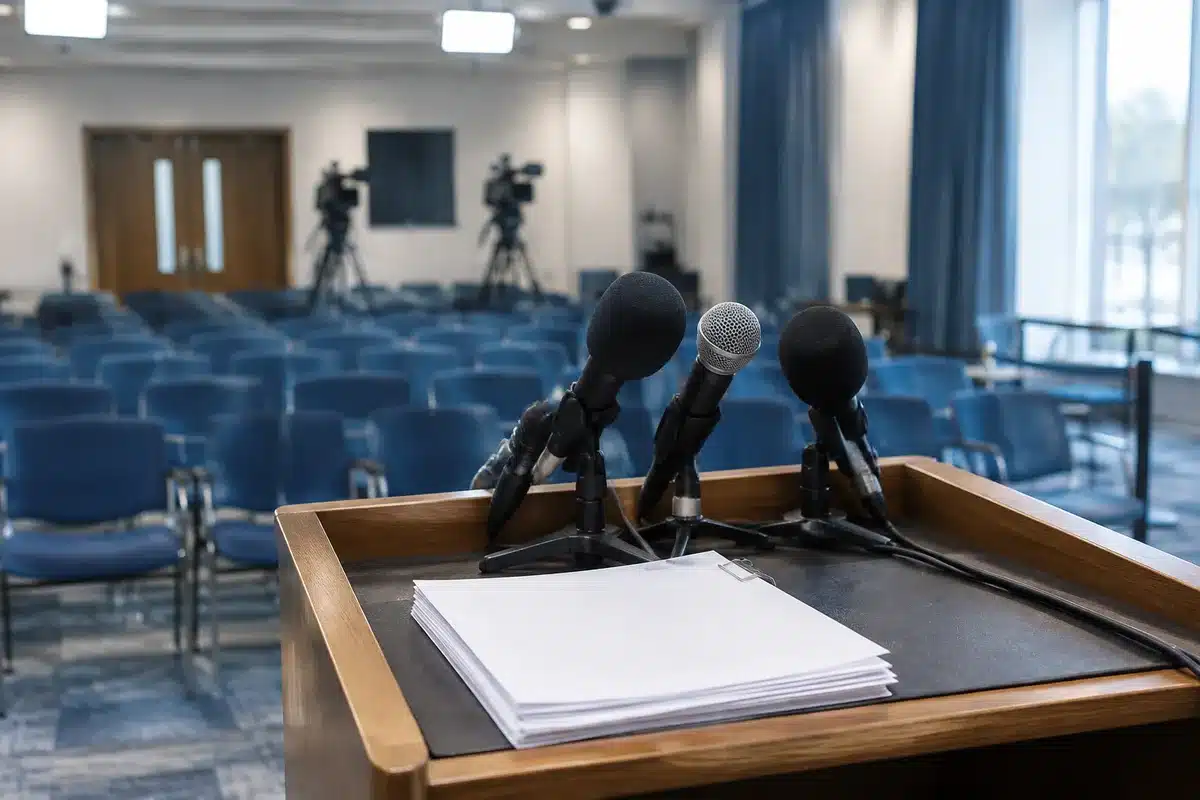
On the radio show “Cats & Cosby” on WABC 770 AM, McCarthy told hosts John Catsimatidis and Rita Cosby that California voters were “continuing to lose faith” in the process as results kept trickling in. “In my years of growing up in California, this is the worst I’ve ever seen it,” McCarthy said, voicing frustration with the ballot-counting delay.
McCarthy added: “We just had an election, and you can’t tell me who won? It was on Tuesday, and they’re telling me it’s going to be another three weeks,” according to The Hill. McCarthy’s comments echoed criticism from President Trump, who had posted on Truth Social days earlier that Democrats were trying to “STEAL THE GOVERNOR OF CALIFORNIA PRIMARY” and the Los Angeles mayoral race, alleging “BIG cheating.”
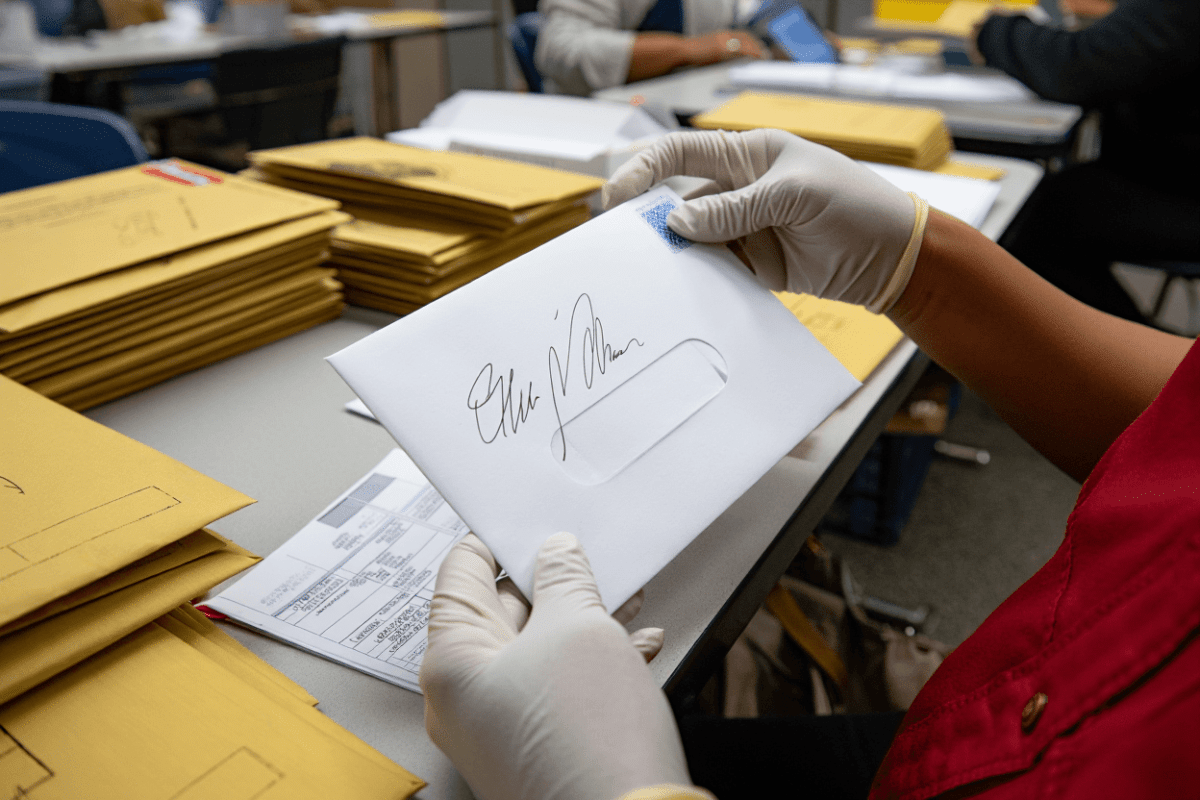
California’s extended vote count stems directly from state law. Mail-in ballots postmarked on or before election day can be counted if they arrive at county election offices by June 9—seven days after the primary. Since nearly 90% of California voters use mail-in ballots, the state faces a bottleneck of ballots arriving in the final days and requiring signature verification before counting, according to Votebeat.
Kim Alexander, founder and president of the California Voter Foundation, calls this the “pig in the python” problem. “The truth is we are taking extra steps to ensure the voting process is accessible and the vote count is accurate and reliable, and that’s why it takes a long time,” Alexander said, as reported by Votebeat. Jesse Salinas, the voter registrar for Yolo County and president of the California Association of Clerks and Election Officials, acknowledged the tradeoff: “If you want speed, not as many people’s votes are going to be counted that could legitimately be counted.”
California’s slow count is not new. Two decades ago, the state counted 80% of ballots within the first two days after an election, according to the California Voter Foundation. That figure dropped to 50% in 2022 but improved to 66% in November 2024. Last year, Governor Gavin Newsom signed a law requiring counties to count most votes within 13 days of the election, though counties can request extensions and still have up to 30 days to certify results.
On Friday, a federal prosecutor in Los Angeles said his office had opened “multiple election fraud investigations” in the state, without providing specifics. Election officials and voting rights advocates, however, say the long count reflects California’s size and reliance on mail voting, not wrongdoing. Governor Newsom wrote on social media: “We wish the votes were counted faster, too.”
Sources
- The Hill — McCarthy’s June 6 radio comments criticizing California’s vote-counting process and timeline
- California Secretary of State — Mail-in ballot deadline (postmarked by election day, received by June 9)
- Votebeat — Analysis of California’s vote-counting delays, the “pig in the python” problem, historical vote-count percentages, and expert commentary from Kim Alexander and Jesse Salinas
- California Voter Foundation — Historical data on California ballot-counting speed and the 13-day counting law