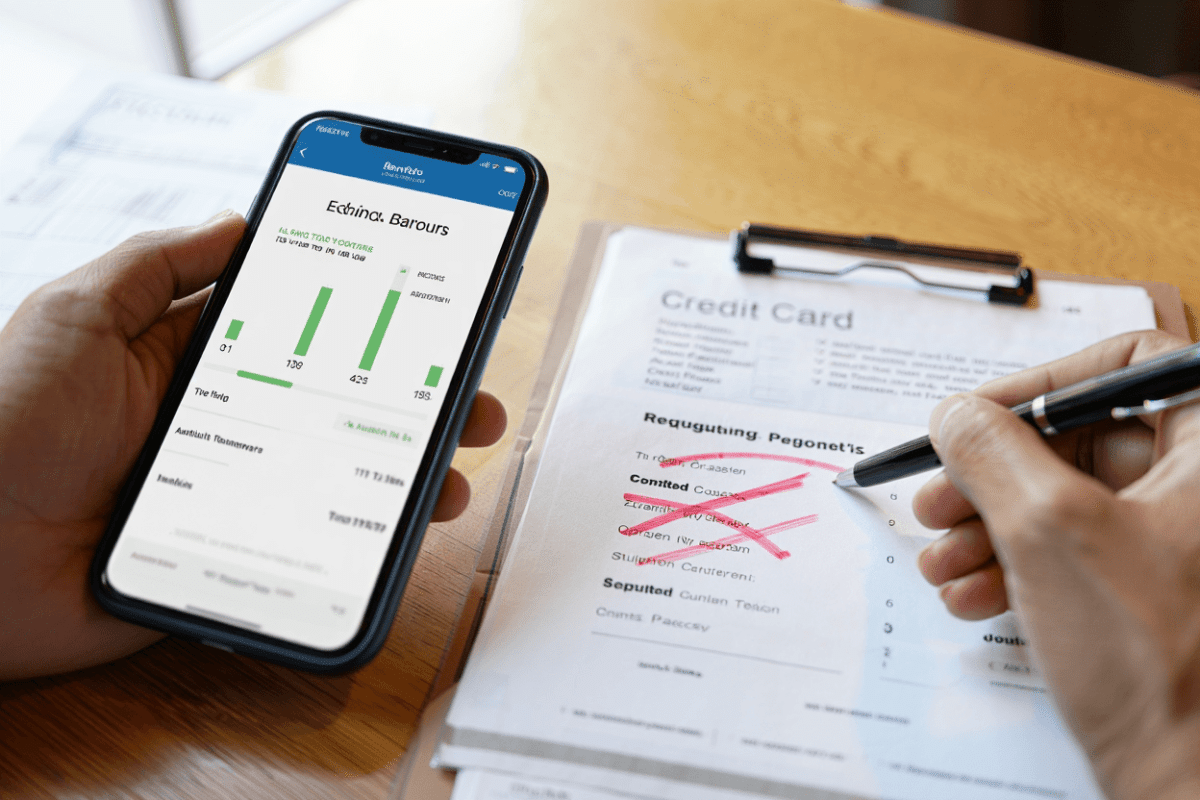
Saving money in 2026 relies on two core strategies: automating transfers so savings happen before you spend, and cutting recurring bills through negotiation and cancellation. Together, these approaches address the two biggest obstacles to personal finance—willpower fatigue and subscription creep.
Automation is one of the most reliable ways to build wealth because it removes decision fatigue. In 2026, nearly every bank and financial platform supports some form of automatic transfer, recurring investment, or payroll contribution. The key is designing it properly so that money moves to savings or investments the moment you’re paid, before discretionary spending tempts you to redirect it.
According to Origin Financial, automating your savings works best when you prioritize goals first—emergency fund, retirement, then long-term investing. Set up automatic bank transfers from your checking account to savings on payday, treating it as a “pay yourself first” model. This ensures savings happen before the remaining balance becomes available for spending. If you wait until the end of the month to save, you’ll often save less.
The behavioral finance case for automation is strong. The Financial Planning Association notes that automation sidelines impulse spending and keeps your financial plan on track, removing the need for constant willpower. This is especially important because many people struggle with what researchers call “present bias”—the tendency to prioritize immediate gratification over future security.
While automating savings removes friction, cutting recurring bills addresses the other major leak in household budgets: forgotten subscriptions and negotiable expenses. The average American spends about $204 per year on unused subscriptions alone, according to ReSubs data from March 2026. More striking, 66.9% of people want to cancel a paid subscription but don’t, with forgetfulness cited by 51.7% as a reason they keep paying for services they no longer use.
Tools designed to manage recurring charges have gained traction. Earlier this month, Consumer365 recognized Experian’s subscription cancellation and bill-negotiation tool, Experian BillFixer, for helping consumers identify and reduce monthly costs. Among bills negotiated with eligible providers, 81 percent resulted in savings, with members averaging $284 per year in anticipated savings. The platform works by scanning linked financial accounts to identify active subscriptions and recurring charges, then presenting them in a consolidated dashboard where users can cancel directly or request negotiation with service providers.
Combining automation with bill audits creates a complete cost-control system. Start by automating your core savings and bill payments—this removes decision-making friction and ensures essential expenses and savings happen consistently. Then conduct a quarterly audit of recurring charges: review credit card and bank statements, identify subscriptions you no longer use, and contact providers to negotiate lower rates on services you keep. The combination ensures money flows toward your goals automatically while wasteful spending is actively eliminated.
Sources
- Origin Financial — How to automate savings in 2026 through prioritization, automatic transfers, and goal-based buckets
- Financial Planning Association — Automation’s role in sidelining impulse spending and behavioral finance insights
- ReSubs — Data on forgotten subscriptions costing $204 per year on average
- Self Financial — Survey showing 66.9% of people want to cancel subscriptions but don’t, with forgetfulness as a top reason
- Morningstar/Consumer365 — Experian BillFixer results: 81% of negotiated bills resulted in savings, averaging $284 per year