Bitcoin Depot, North America’s largest cryptocurrency ATM operator, filed for Chapter 11 bankruptcy protection on May 18, 2026, immediately shutting down its entire network of over 9,000 machines. The collapse marks a watershed moment for an industry facing unprecedented regulatory pressure and a documented $388 million in reported scam losses during 2026 alone, according to FBI data from the Internet Crime Complaint Center.
🔥 Quick Facts
- Bitcoin Depot filed Chapter 11 bankruptcy on May 18, 2026 and immediately deactivated its entire 9,000+ ATM network across North America.
- Q1 2026 revenue declined 49.2% year-over-year, dropping $80.7 million compared to the prior year period, with the operator posting a $9.5 million net loss.
- FBI reported $388 million in crypto ATM scam losses in 2026 through mid-May, with over 13,400 complaints filed to the Internet Crime Complaint Center.
- Bitcoin Depot operated the machine network for 10 years before regulatory pressure and compliance costs forced the wind-down of all operations.
The Convergence of Regulatory Pressure and Industry Fraud
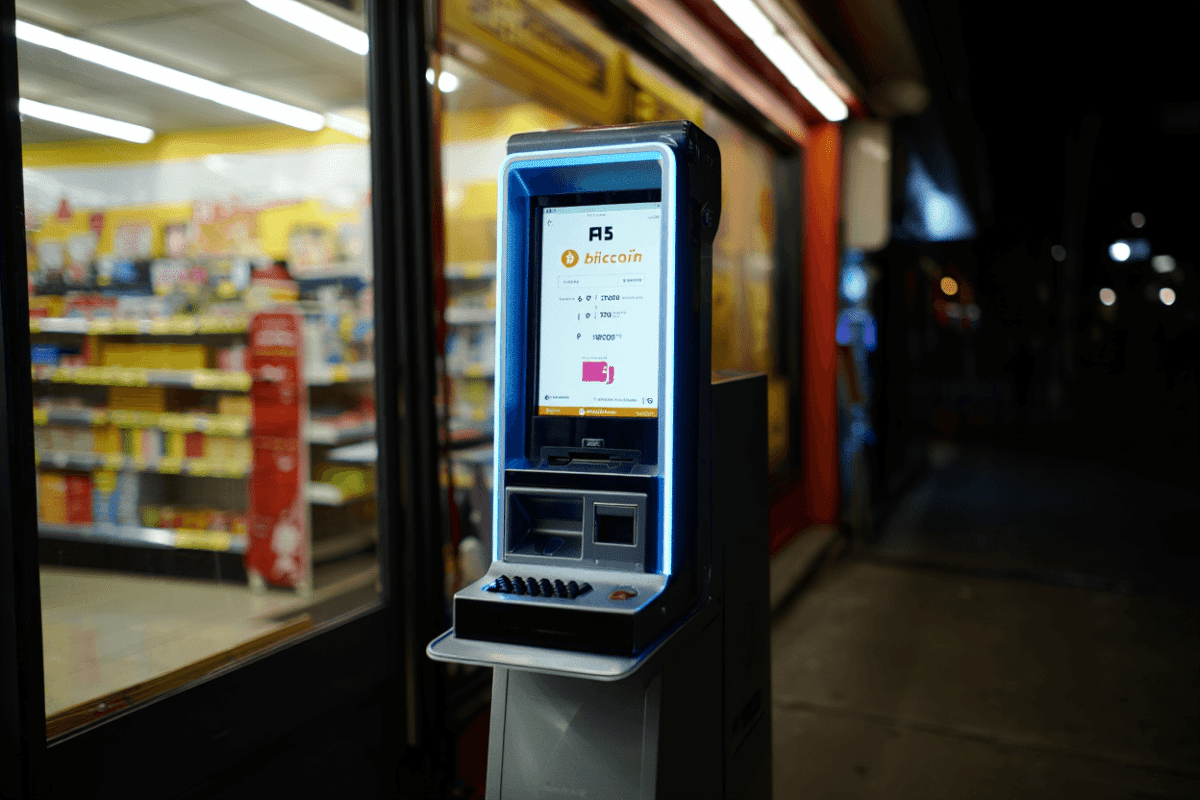
Bitcoin Depot operated the nation’s largest cryptocurrency ATM network, positioned at convenience stores, gas stations, and commercial locations across the United States and Canada. The company’s sudden collapse reflects an industry-wide crisis driven by two distinct pressures: escalating regulatory enforcement and documented abuse of ATMs in scam schemes targeting vulnerable consumers.
State regulators, federal agencies, and law enforcement began tightening rules throughout 2025 and early 2026. Wyoming adopted a regulatory framework in April 2026 requiring crypto ATM operators to comply with state money transmitter laws. Meanwhile, Vermont extended its moratorium on new crypto kiosks through July 1, 2026, signaling broader skepticism toward the sector.
Financial Deterioration and Compliance Burden
Bitcoin Depot’s operating margins deteriorated sharply as regulatory compliance costs mounted. The company disclosed a $80.7 million revenue decline—a 49.2% drop—in Q1 2026 compared with the same period in 2025. The operator reported a $9.5 million net loss in the first quarter alone, compared with a $12.2 million loss the prior year, indicating accelerating operational challenges.
The financial strain stems from heightened Know Your Customer (KYC) and Anti-Money Laundering (AML) compliance requirements now mandatory across the industry. All licensed Bitcoin ATM operators in the United States must register with FinCEN (Financial Crimes Enforcement Network) as Money Services Businesses and maintain comprehensive AML programs. These compliance frameworks require robust transaction monitoring, customer identity verification, and suspicious activity reporting—infrastructure that smaller operators struggle to support.
The Fraud Epidemic and FBI Warning
Scam losses tied to cryptocurrency ATMs exploded in 2026. According to the FBI’s Internet Crime Complaint Center (IC3), the bureau documented over 13,400 complaints related to crypto ATM fraud by mid-May 2026, with reported losses exceeding $388 million. The previous year’s totals reached $333 million, indicating a dramatic acceleration in both complaint volume and financial impact.
Common schemes include tech support fraud (scammers directing elderly victims to crypto ATMs to deposit cash), romance scams, investment fraud, and extortion. Victims report being told to purchase cryptocurrency at Bitcoin ATMs as payment for bogus services or under threats. The physical accessibility of ATMs—combined with minimal oversight before 2026—made them ideal vectors for financial crime targeting consumers with limited cryptocurrency experience.
| Regulatory Development | Jurisdiction | Timeline |
| Money Transmitter Registration Requirement | Multiple States (FinCEN Federal) | Ongoing |
| Mandatory KYC/AML Compliance | United States (All Transactions) | 2025–2026 |
| State-Level Regulatory Frameworks | Wyoming, Colorado, New York | Jan–Apr 2026 |
| New Crypto Kiosk Moratorium | Vermont | Extended to July 1, 2026 |
| Consumer Refund Rights | Colorado (effective Jan 1, 2026) | Implemented |
“As governments seek to ban the machines, bitcoin ATMs remain entwined with cryptocurrency industry’s most mainstream players. The machines have become lightning rods for fraud complaints, yet regulations remain fragmented across states.”
— International Consortium of Investigative Journalists (ICIJ), Investigation Report, May 27, 2026
What Bitcoin Depot’s Collapse Means for the Broader Industry
Bitcoin Depot’s failure signals that the largest player could not absorb the compliance burden and fraud liability. The company faced class-action lawsuits from victims whose funds were stolen through ATM-based scams, alongside regulatory investigations by state attorneys general and federal authorities. The combination of mounting legal costs, declining revenue, and impossible compliance expectations proved insurmountable.
The industry consolidation will likely accelerate. Remaining operators—including Athena Bitcoin and smaller regional networks—now face heightened scrutiny and must demonstrate robust compliance infrastructure. Some states are moving toward licensing systems that create barriers to entry for weak players, while others consider bans on crypto ATMs altogether.
Consumers holding cryptocurrency in Bitcoin Depot accounts cannot access funds until assets are liquidated through bankruptcy proceedings. The operator’s wind-down timeline remains unclear, but Chapter 11 filings typically take 6–18 months to resolve.
Why Is Regulatory Reform Moving Faster Now?
The acceleration of regulatory action reflects changed political and public perception. Bitcoin ATMs became associated with financial victimization of elderly and vulnerable populations, prompting state attorneys general to act independently. Consumer protection agencies, law enforcement, and regulators view ATM fraud as a critical financial crime priority alongside drug trafficking and terrorism financing.
New York’s Article 12 digital asset licensing framework, which took effect in 2026, established the nation’s first comprehensive state licensing system for crypto businesses. Colorado’s consumer refund rights law (effective January 1, 2026) granted victims certain protections when ATM purchases result from fraud. Similar proposals are advancing in California, Texas, and Florida—jurisdictions that host significant ATM populations.
Sources
- Banking Dive — Verified Bitcoin Depot bankruptcy filing details, revenue decline metrics, and wind-down status as of May 20, 2026
- Yahoo Finance / Financial News — Confirmed Chapter 11 bankruptcy filing date (May 18, 2026) and 9,000+ machine network size
- International Consortium of Investigative Journalists (ICIJ) — Scam crackdown analysis and regulatory landscape overview
- FBI Internet Crime Complaint Center (IC3) — Documented $388 million in reported crypto ATM scam losses and 13,400+ complaints received in 2026
- Grant Thornton — Crypto compliance 2026 regulatory analysis and FinCEN requirements
- ABA Banking Journal — State-level regulatory developments including Wyoming, Vermont, and Colorado frameworks