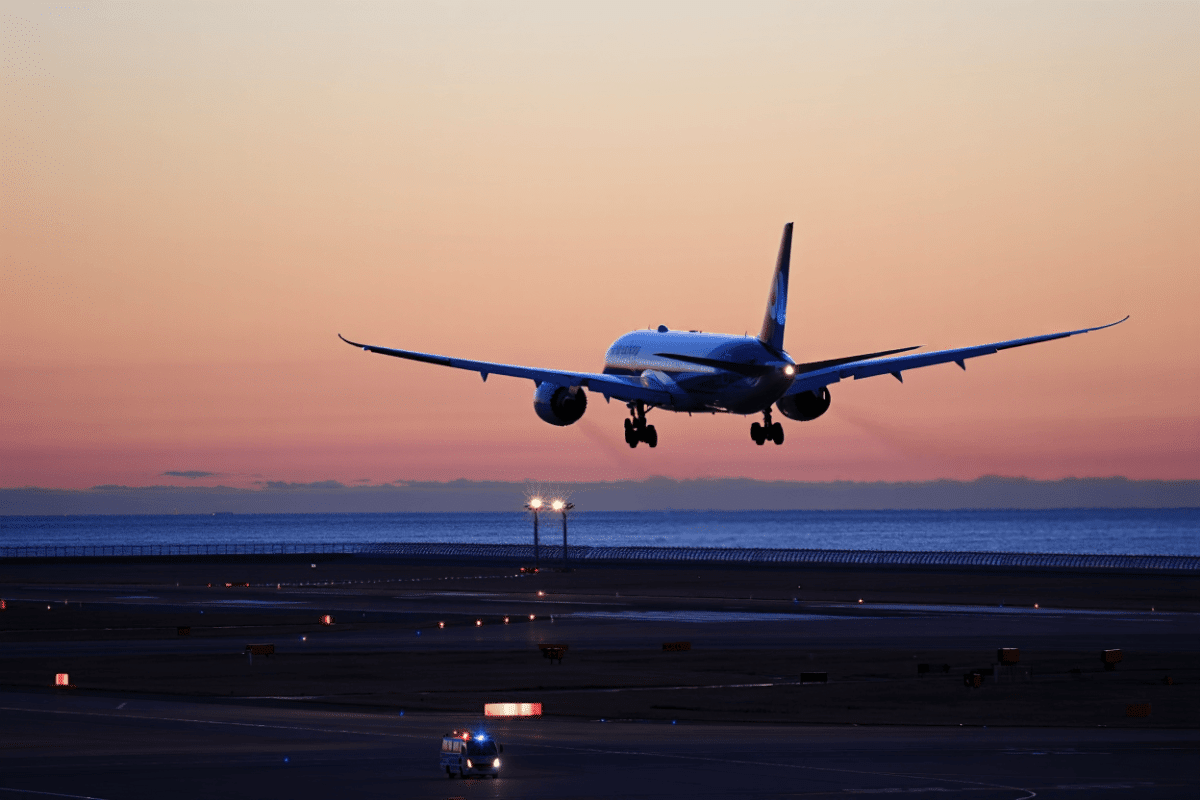
A KLM Royal Dutch Airlines Flight KL706 Boeing 787-10 Dreamliner diverted to Tenerife South Airport in Spain’s Canary Islands on July 20 after a mid-Atlantic medical emergency, according to Travel and Tour World. The aircraft, operating from Rio de Janeiro to Amsterdam, landed safely at approximately 9:30 am local time following seven hours of transatlantic flight.
The diversion was triggered by a possible medical emergency involving either a passenger or crew member on board, according to preliminary reports. Although KLM has not publicly disclosed the identity or specific medical condition of the individual, such diversions are standard aviation practice whenever someone requires urgent treatment that cannot safely wait until the scheduled destination.
Commercial aircraft carry emergency medical equipment and cabin crew receive medical response training, but when a situation exceeds the level of care deliverable in flight, pilots work with airline operations centers and medical advisers to identify the nearest suitable airport. In this case, Tenerife South offered an appropriate diversion point. Medical personnel were already waiting on the ground when Flight KL706 reached the airport and boarded the aircraft shortly after landing to assess and assist the affected individual.
The Boeing 787-10 completed the diversion without incident. No reports indicated any technical malfunction, weather-related issue, or security concern associated with the diversion. The aircraft remained fully operational throughout the event, according to Travel and Tour World.
KLM planned a relatively brief stop in Tenerife lasting around one hour, during which airline staff would assist the affected individual, complete routine operational checks, refuel the aircraft where necessary, and prepare the cabin before departure. The interruption was forecast to delay the aircraft’s arrival in Amsterdam by approximately two hours.
Medical diversions occur across the global aviation industry every year and form an important part of airline safety protocols. According to a 2025 Duke Health study, one in every 212 flights involves a medical emergency. However, only 1.7 percent of medical events require an unscheduled diversion, indicating that most in-flight medical situations are managed without changing course. Flight crews are trained to evaluate multiple factors before deciding whether to continue, divert, or return to an airport—including the patient’s condition, availability of onboard medical support, weather conditions, fuel requirements, and distance to suitable airports.
Although diversions inevitably disrupt schedules and inconvenience passengers, airlines consistently place passenger and crew wellbeing ahead of maintaining arrival times. Modern aircraft remain in constant communication with airline operations centers, enabling crews to coordinate with medical experts and airport authorities before landing. KLM has not issued further information regarding the identity, condition, or medical circumstances of the individual involved, nor has it reported any injuries affecting other passengers or crew members.
Sources
- Travel and Tour World — provided detailed account of KL706 diversion, aircraft type, departure time, landing time, medical emergency details, and operational procedures
- Duke Health — reported that one in every 212 flights involved a medical emergency, with 8 percent of passengers taken to hospital
- Forbes — reported that only 1.7 percent of medical events required an unscheduled diversion to a closer airport