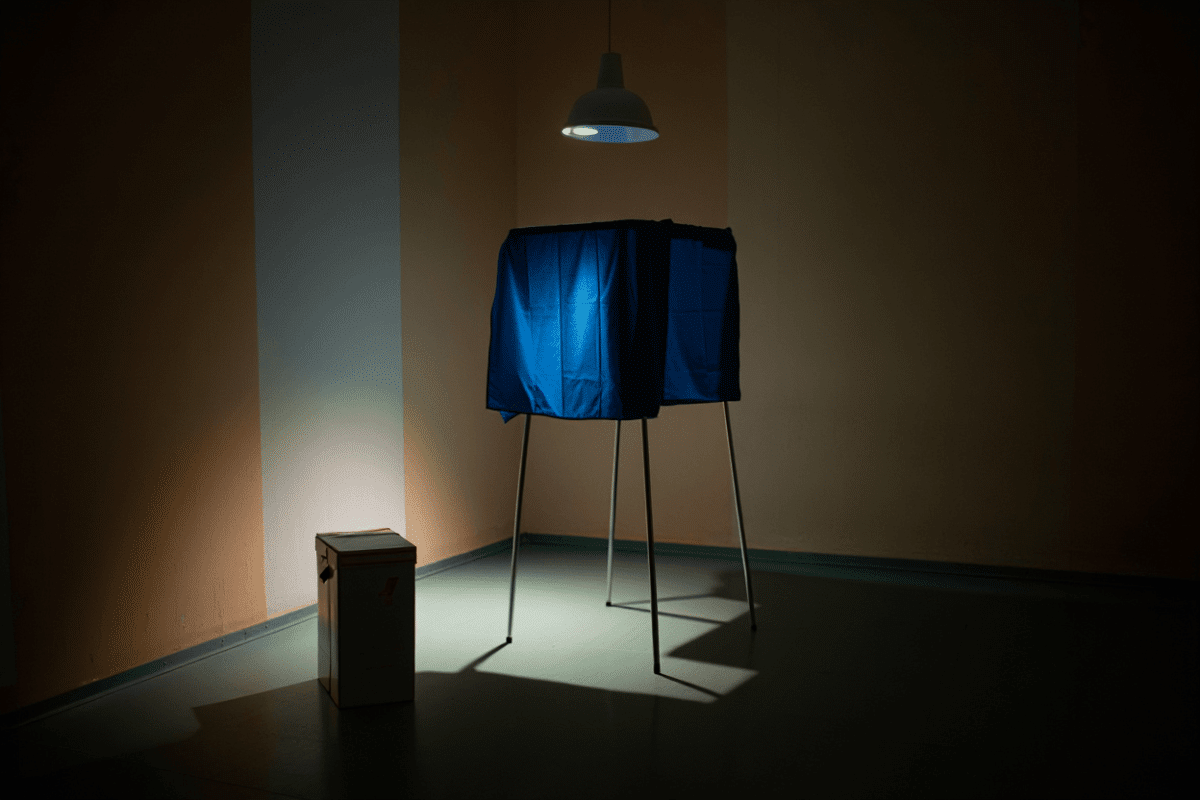
Nicaragua’s president Daniel Ortega announced on July 20 that the Central American country will hold no further elections, eliminating any electoral challenge to his rule and deepening the authoritarian grip he shares with his wife, Rosario Murillo. Speaking at a ceremony marking the 47th anniversary of the 1979 Sandinista revolution, the 80-year-old leader said there would be “no more elections here so that they can try to seize the government.”
Ortega, who has continuously held power since 2007, stated that his regime would work with the congress it controls to pass new laws to “build a wall” against the opposition. He did not provide specific details on how the measure would be implemented, but the announcement marks a significant rhetorical escalation from earlier efforts to restrict electoral competition.
The move comes as elections were due to take place in Nicaragua by November 2026. Last year, Ortega consolidated power through constitutional reforms that extended the presidential term from five to six years and promoted his wife from vice-president to “co-president.” He and Murillo now control virtually every aspect of the government, including the armed forces and the judiciary, according to Reuters reporting.
Tiziano Breda, Latin America senior analyst at the Armed Conflict Location and Event Data project, said the announcement represents a complete transformation. “With this decision, Ortega and Murillo have sealed the country’s transition to a full-fledged family dictatorship,” Breda stated. He added that the regime appears “afraid of the idea that the slightest political opening could create the conditions for dissent to manifest and threaten their grip on power.”
A Pattern of Democratic Erosion
The abolition of elections represents the culmination of years of authoritarian consolidation. Nicaragua’s last election in 2021 was widely disputed after Ortega detained opponents and business leaders and criminalized dissent. The regime disqualified main opposition parties and arrested the most prominent opposition figures and presidential hopefuls, according to the Guardian reporting.
The crackdown extends further back. Since April 2018, when Ortega responded to anti-government protests with a violent response that killed more than 300 people, the regime has systematically dismantled civil society. According to the Guardian, the regime has stripped 546 people of their citizenship and shut down more than 5,600 non-governmental organizations, 29 universities, and 58 media outlets. The U.N. Human Rights Council has accused Ortega and Murillo’s government of transforming the country “into an authoritarian state” and systematically violating human rights.
Breda noted that Ortega and Murillo had already pushed through constitutional reforms extending the presidential term by one year beyond its scheduled end in 2026, and that the regime has opted to eliminate electoral competition altogether rather than stage another rigged election. The analyst observed that while a disunited opposition movement—most of whose representatives are exiled—and relative economic stability have helped suppress dissent in recent years, the indefinite permanence in power without electoral legitimacy may attract greater regional scrutiny and hinder their plans.
Sources
- Reuters — confirmed Ortega’s announcement that Nicaragua will no longer hold elections, his continuous rule since 2007, the constitutional reforms extending presidential terms and naming Murillo co-president, and the 2021 election’s disputed nature with detained opponents
- The Guardian — reported Ortega’s announcement on July 20, his age (80), the ceremony marking the Sandinista revolution’s 47th anniversary, the move to “build a wall” against opposition, details on regime control of government branches, and the shutdown of civil society organizations and media outlets
- ACLED — provided expert analysis from Tiziano Breda on the announcement marking a transition to family dictatorship, the regime’s fear of political opening, the 2021 opposition disqualifications and arrests, the April 2018 crackdown killing more than 300 people, and the regime’s strategic choice to eliminate electoral competition