
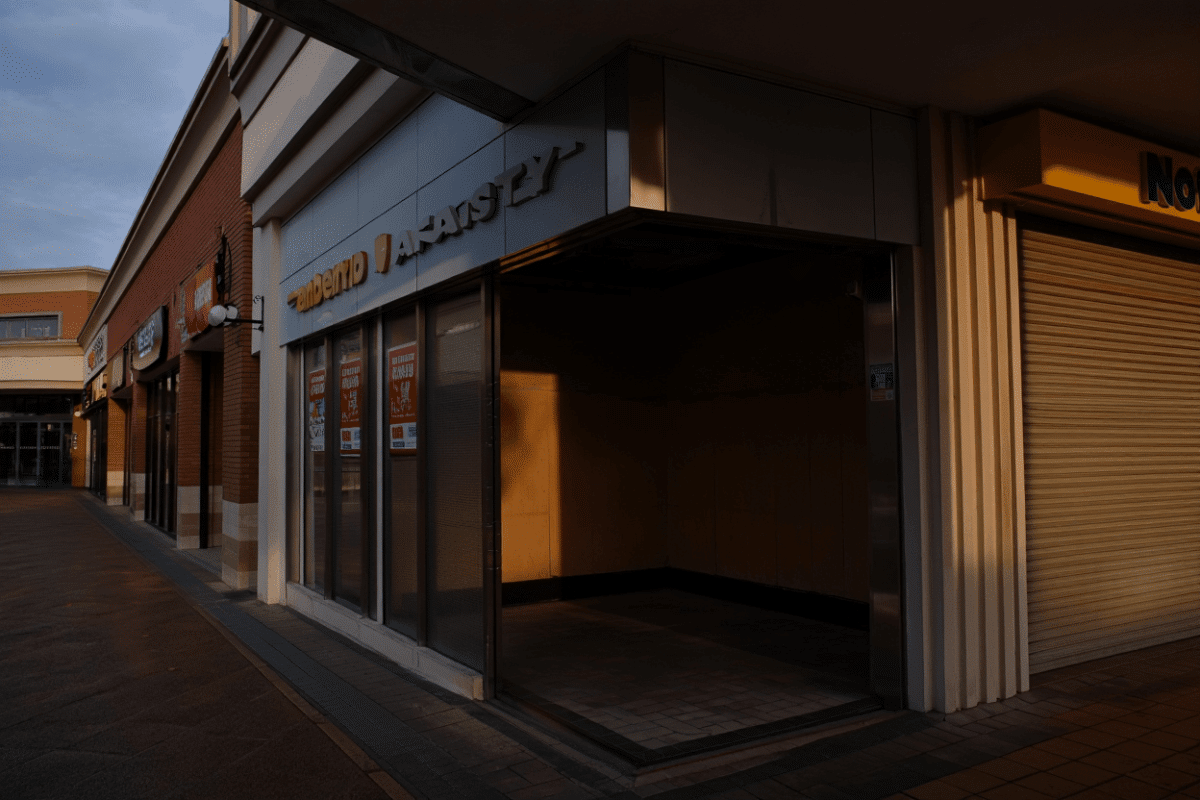
Guzman y Gomez, an Australian-based Mexican restaurant chain that launched its American expansion in 2020, has permanently ceased operations across the United States. All eight Chicago-area locations closed on May 22, 2026, ending the company’s six-year attempt to establish itself as a Chipotle competitor in the competitive American fast-casual dining market. The closure resulted in approximately 500 job losses and represents a significant retreat after the chain invested more than $115 million into North American expansion.
📊 Quick Facts
- 8 restaurants closed across the Chicago metropolitan area on May 22, 2026
- 500 jobs eliminated due to complete US market exit
- $115 million invested in failed American expansion since 2020
- Founded in Sydney, Australia in 2006 by Steven Marks and Robert Hazan
- Class action lawsuit filed by former employees citing inadequate notice
How an Australian Success Story Failed in America
Guzman y Gomez began as a genuine success story in its native Australia. Founded in 2006 by Steven Marks—a former hedge fund manager—and Robert Hazan—with background in fashion retail—the chain built a loyal following by offering authentic Mexican cuisine made with fresh ingredients. By the time the company decided to expand internationally, it had established itself as a culinary force, operating profitable locations across Australia, Japan, and the United Kingdom.
The American market, however, presented a fundamentally different challenge. Guzman y Gomez chose Chicago as its exclusive US hub, concentrating all eight locations across the Chicagoland area rather than pursuing a more geographically diversified rollout. This geographic concentration strategy—typically recommended for controlling supply chains and brand consistency—ultimately became a strategic vulnerability when the Chicago market underperformed expectations.
The Strategic Missteps That Led to Market Exit
Industry analysts and former employees point to several interconnected factors that contributed to the chain’s American collapse. First, sales targets were consistently missed despite the company’s proven track record internationally. The chain’s premium pricing strategy—justified by fresh ingredients and authentic preparation—did not resonate as expected in a market dominated by Chipotle, Moe’s Southwest Grill, and regional competitors offering lower price points.
Second, the company faced operational complications that hindered its ability to replicate international success. Supply chain logistics proved more complex and costly than anticipated. Additionally, the chain’s menu customization model and emphasis on fresh-made preparations, while valued by customers, created labor-intensive operations that struggled to match the efficiency standards American consumers expected. Real estate costs in the Chicago metropolitan area—one of the nation’s most expensive markets—amplified these operational challenges.
Third, market saturation in the fast-casual Mexican segment presented fierce competition. Chipotle Mexican Grill, with its national brand recognition and proven operating model, maintained dominant market share. Additionally, local and regional Mexican chains possessed established customer loyalty that Guzman y Gomez could not overcome despite its superior ingredient quality.
Financial Impact and Key Metrics
| Metric | Value | Context |
| US Investment Total | $115+ million | Unrecovered capital from 2020-2026 operations |
| Locations Closed | 8 restaurants | All concentrated in Chicago metropolitan area |
| Jobs Eliminated | ~500 employees | Across all US operations |
| Operating Duration (US) | 6 years | 2020 launch through May 2026 closure |
| Years Operating (Australia) | 20+ years | Founded 2006 with continued international success |
| Closure Announcement | May 22, 2026 | Effective date of all closures |
According to recent market analysis, the broader restaurant industry has faced headwinds resembling those that impacted Guzman y Gomez. Many established chains have reconsidered aggressive expansion strategies in response to elevated operational costs and shifting consumer preferences.
Labor Disputes and Legal Consequences
The abruptness of the closure sparked immediate legal action. Former employees filed a class action lawsuit, alleging the company violated WARN Act requirements—federal regulations mandating 60 days’ advance notice before facility closures affecting significant workforces. Rather than providing adequate notice, Guzman y Gomez announced the closure immediately, leaving workers unable to secure alternative employment or adjust personal finances.
The lawsuit represents more than an employment dispute; it underscores the operational disconnect between the company’s Australian headquarters and its American market realities. Marks, the founder, reportedly relocated to the Chicago area to personally oversee the US expansion—a sign of the company’s commitment to salvaging the American operation. His physical presence in the market, however, could not overcome fundamental market alienation and unprofitable unit economics.
“To every guest who came through our doors—you chose us, and we are eternally grateful. Effective May 22nd, GYG USA restaurants will cease trading.”
— Official Statement, Guzman y Gomez USA Website
What This Means for International Restaurant Expansion
The Guzman y Gomez closure provides critical lessons for international food brands considering US market entry. First, geographic concentration—while beneficial for operational control—creates vulnerability during market downturns. Successful chains like Chipotle and Qdoba pursued rapid geographic diversification across the country, reducing dependence on any single regional market.
Second, price-to-value perception demands careful calibration in the American market. Foreign food brands often assume their product quality justifies premium pricing; however, American consumers weigh cost competitiveness alongside quality. Guzman y Gomez‘s inability to communicate perceived value effectively to price-conscious customers represented a significant barrier.
Third, the closure illustrates the dominance of established fast-casual giants. Breaking into a mature, highly competitive segment—particularly one dominated by billion-dollar corporations with sophisticated supply chains—requires either differentiation so powerful it converts entire market segments, or acceptance of extended losses while building market share. Guzman y Gomez appears to have underestimated both the timeline and capital requirements for meaningful US presence.
What Happens to Guzman y Gomez Internationally?
Critically, the American market exit does not signal broader company failure. Guzman y Gomez continues robust operations across Australia, where it remains a respected fast-casual brand. The company also maintains presence in Japan and the United Kingdom, suggesting the American market represented a unique strategic miscalculation rather than systemic business model failure.
The decision to completely exit rather than restructure—closing all eight locations simultaneously—indicates founder Steven Marks and management concluded that the American operation could not achieve profitability even through downsizing. This decisive action, while devastating for employees, allows the company to redirect resources toward profitable international markets rather than hemorrhaging capital indefinitely.
Will Fast-Casual Mexican Restaurants See More Consolidation?
The Guzman y Gomez exit raises questions about sustainability in the fast-casual Mexican dining category. While major competitors like Chipotle, Qdoba, and regional chains remain operational, the barrier to entry for new competitors has proven higher than many anticipated. New entrants must either: (1) operate at massive scale to compete on price, (2) identify underserved geographic or demographic niches, or (3) develop food concepts sufficiently differentiated to justify premium positioning.
Guzman y Gomez‘s failure suggests the third approach alone—premium product quality without unique market positioning—insufficient to overcome established competitor advantages in a saturated category. Future food brands considering American expansion will likely examine this case closely when evaluating market entry costs and competitive positioning.
Sources
- USA Today – Coverage of Guzman y Gomez permanent closure of all 8 US locations and class action lawsuit details
- Fox Business – Analysis of Australian Chipotle rival’s abrupt closure after six years
- Sydney Morning Herald – Reporting on founder Steven Marks’ involvement and $115 million investment loss
- Cleveland.com – Coverage of poor financial results and strategic missteps in Chicago market
- MassLive – Overview of Mexican restaurant chain’s abandoned expansion plans










