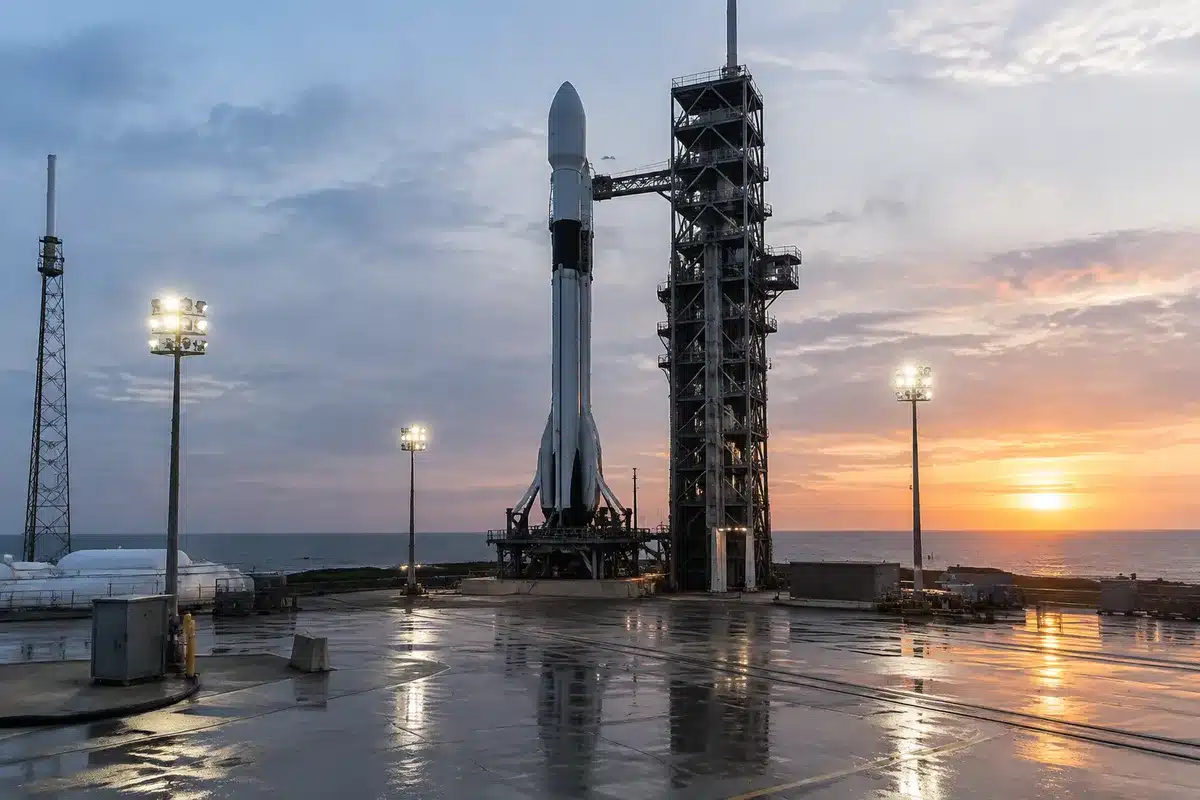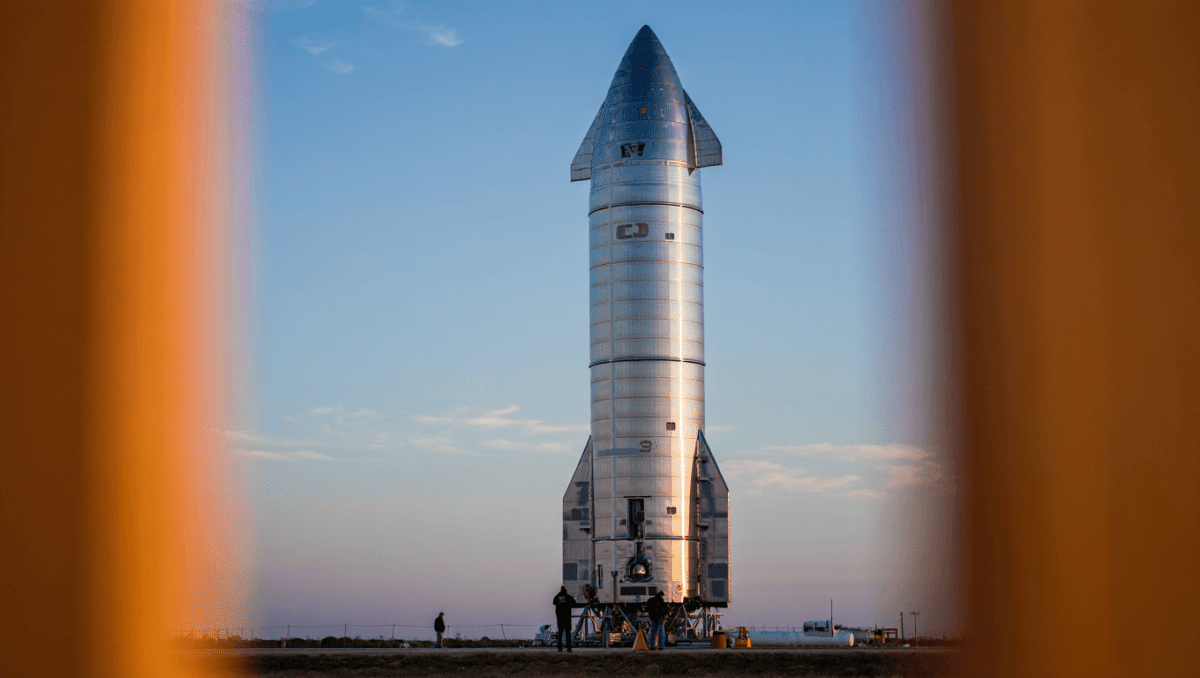
SpaceX is hours away from launching the most powerful rocket ever built. The tallest Starship V3 stands 408 feet, towering over all predecessors. This May 19 debut from South Texas marks the ultimate test: orbital refueling.
🔥 Quick Facts
- Launch Time: 6:30 PM ET, May 19, 2026 from Pad 2 at Starbase
- Vehicle Height: 408 feet, the tallest megarocket in history
- Raptor 3 Engines: Breakthrough design with 280 tons thrust per booster engine
- Primary Goal: Demonstrate in-orbit refueling capability for Moon and Mars missions
Why This Launch Changes Everything for Space Exploration
SpaceX’s Starship V3 isn’t just taller and stronger. It represents a leap in rocket engineering that will enable lunar bases and Mars colonization. The upgraded vehicle demonstrates advanced propellant transfer systems, critical for deep-space missions beyond Earth orbit. Elon Musk’s vision depends entirely on proving this technology works.
This test flight 12 is the moment the industry has waited for. Orbital refueling has never been attempted at this scale. Success means humanity finally has a reusable architecture for interplanetary travel.
The Raptor 3 Engine: A Complete Redesign of Rocket Propulsion
The Raptor 3 is the headline marvel of V3. Unlike earlier versions, this next-generation engine eliminates the external heat shield through full regenerative cooling. According to experts, Raptor 3 is “the most advanced rocket engine ever built.” Each booster engine delivers 280 tons of thrust, with designs targeting 300 tons in future iterations.
SpaceX engineered Raptor 3 to be lighter, more efficient, and more reliable than its predecessors. The design breakthrough reduces mass while increasing performance, a critical advantage for orbital missions.
SpaceX’s Historic Launch Compared to Previous Starship Tests
| Aspect | Starship V3 (Flight 12) | Previous Version |
| Height | 408 feet | Slightly shorter |
| Engine Type | Raptor 3 (advanced) | Raptor 2 |
| Launch Pad | Pad 2 (new facility) | Pad 1 |
| Test Focus | Orbital refueling | Basic flight tests |
“Raptor 3 is SpaceX’s latest evolution, the best rocket engine ever made.”
— Friends of NASA, Official statement
What Makes This Test Flight Critical for the Future
Starship V3’s success hinges on demonstrating propellant transfer in orbit. This capability is essential for NASA’s Artemis program, which aims to return humans to the Moon. Without proven in-orbit refueling, Starship cannot carry enough fuel for lunar landers or Mars missions.
The V3 architecture also marks the first time SpaceX launches from Pad 2, a newly constructed facility at Starbase. This expansion allows parallel launches and accelerates testing schedules. The company stacked Ship 39 atop Booster 19 in early May, completing the first full V3 stack.
Will May 19 Deliver Success for SpaceX and Space Exploration?
The launch window opens at 6:30 PM ET with a 90-minute window before it closes. Weather conditions in South Texas could delay the attempt. A backup date of May 20 is already scheduled. SpaceX completed a full fueling test on May 14, confirming all systems are ready.
Will the Raptor 3 engines perform flawlessly? Can orbital refueling finally prove viable? The world watches.
Sources
- Space.com – Official announcement of Starship V3 debut launch date and vehicle specifications
- Friends of NASA – Technical overview of Raptor 3 engine upgrades and capabilities
- SpaceX Official – Launch schedule and mission objectives for Flight 12