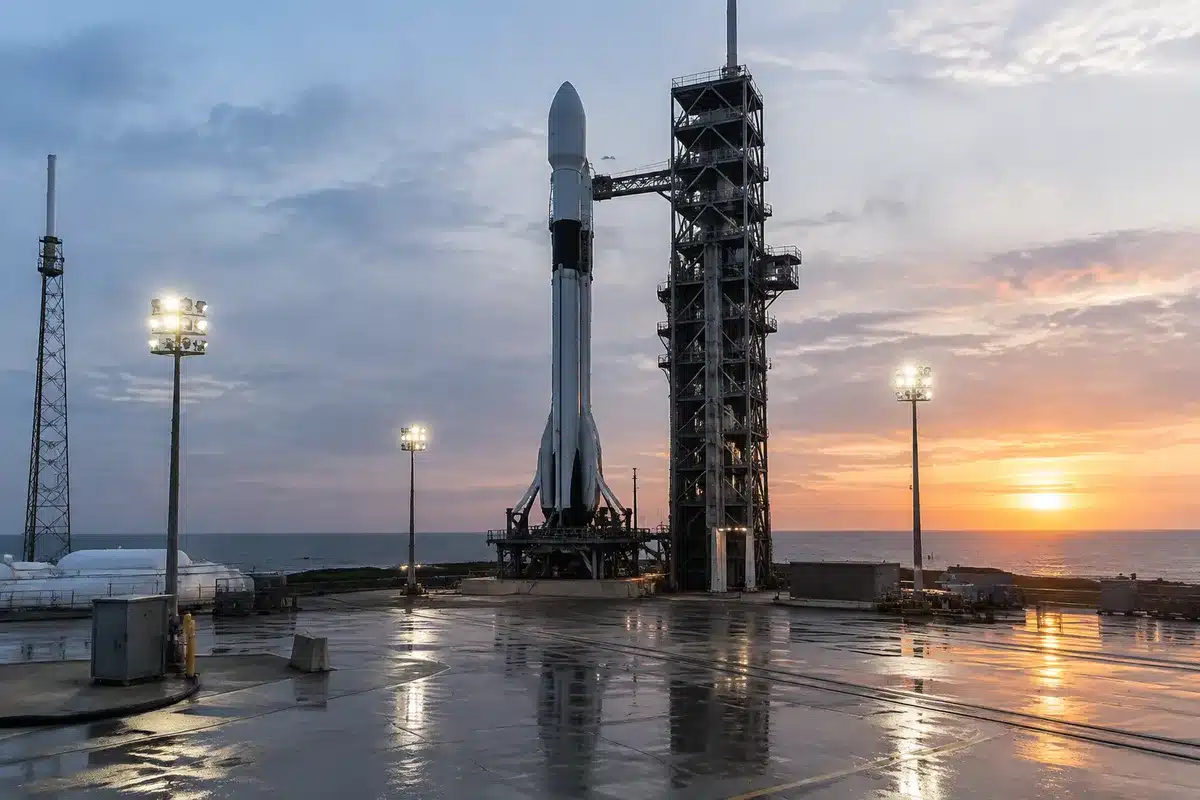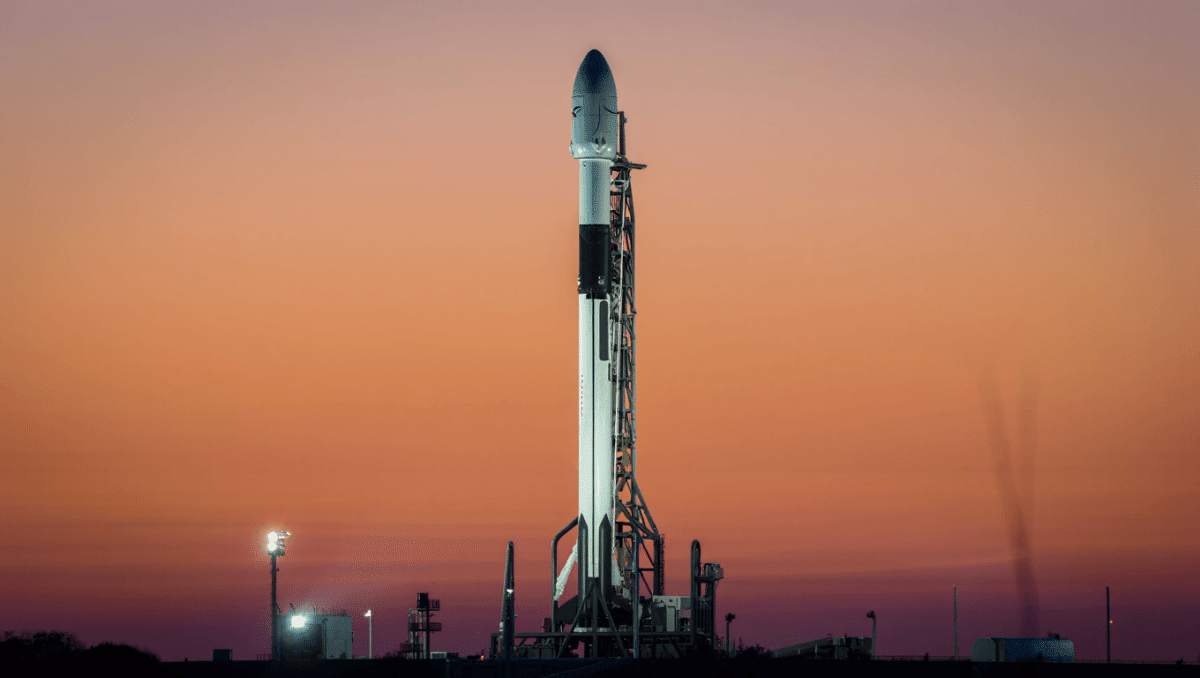
SpaceX is making history tonight with a critical Falcon 9 rocket launch to the International Space Station. After two weather delays, the CRS-34 resupply mission finally lifts off at 6:05 p.m. EDT from Cape Canaveral, carrying thousands of pounds of cargo to keep humanity’s orbiting laboratory running.
🔥 Quick Facts
- Launch Time: 6:05:41 p.m. EDT tonight from SLC-40 at Cape Canaveral Space Force Station
- Mission: NASA’s SpaceX CRS-34 Commercial Resupply Services carrying Dragon cargo spacecraft for 6th flight
- Booster: Falcon 9 first stage B1096 launching for historic 6th time with landing at LZ-40
- Cargo Value: Thousands of pounds of supplies, equipment, and scientific experiments for the orbiting station
Tonight’s Critical Space Station Resupply Mission Explained
The CRS-34 mission represents another crucial pillar of NASA’s Commercial Resupply Services program, which depends entirely on SpaceX to ferry supplies to the International Space Station. The Dragon spacecraft, tail number C209, has flown to orbit five times before and carries vital cargo that keeps the station operational and supports ongoing research. This is the 34th commercial resupply mission under the program.
The mission was originally scheduled for May 12, but unfavorable weather conditions forced two consecutive scrubs. Tonight’s launch window represents the final window before the weather pattern stabilizes, making this attempt crucial for mission timing and ISS crew rotations.
Why the Falcon 9 Booster Makes This Launch Historic
What makes tonight’s launch particularly significant is the achievement of the Falcon 9 first stage booster B1096. This rocket component is flying for its striking sixth consecutive mission, demonstrating SpaceX’s revolutionary approach to reusable rocket technology. After deploying the Dragon cargo vehicle into orbit, the booster will perform a precise landing maneuver at Landing Zone 40 near Cape Canaveral within minutes of launch.
The rapid turnaround and repeated use of the same booster hardware reduces costs dramatically compared to expendable rockets. This efficiency is precisely why NASA chose SpaceX as its primary cargo supplier to the ISS. Each successful flight strengthens the case for commercial spaceflight as the backbone of America’s orbital operations.
Mission Timeline and What to Expect Tonight
| Event | Time (EDT) |
| Falcon 9 Launch Window Opens | 6:05 PM |
| First Stage Booster Separation | ~2 minutes after launch |
| Booster Landing at LZ-40 | ~8 minutes after launch |
| Dragon Spacecraft Deployment | ~12 minutes after launch |
| ISS Approach and Docking | Less than 48 hours after launch |
Spaceflight Now reports the entire sequence unfolds with precise military-grade timing. The Dragon spacecraft follows a carefully calculated trajectory that brings it to the International Space Station in less than two days, an impressively fast resupply operation that demonstrates the maturity of SpaceX’s systems.
“The Dragon spacecraft will arrive at the orbiting outpost after a roughly less than two-day transit. Less than eight minutes after liftoff, the first stage booster will return for a landing at Landing Zone 40.”
— Spaceflight Now, Launch Schedule
The Cargo Aboard and Its Scientific Importance
Tonight’s Dragon cargo contains thousands of pounds of vital supplies that address critical needs on the orbiting laboratory. Scientific experiments, replacement equipment, food, water, and propellant replenishment top the manifest. The International Space Station requires continuous resupply missions to maintain operations and support the rotating crew of six to seven astronauts conducting cutting-edge research in microgravity.
Without reliable cargo missions like CRS-34, the ISS could not sustain its research programs. Materials science, biological experiments, Earth observation studies, and technology demonstrations all depend on fresh supplies and equipment rotations. The mission represents the unglamorous but absolutely essential backbone of humanity’s presence in space.
Can You Watch Tonight’s Rocket Launch?
Yes, SpaceX will provide live streaming coverage beginning well before the 6:05 p.m. EDT launch on their official YouTube channel. NASA also provides comprehensive coverage through their television and streaming services. Viewers in Florida may be able to see the Falcon 9 ascend from the launch pad if weather and viewing angle permit, producing a spectacular nighttime phenomenon. The booster landing produces another visible shock wave as it fires its engines to decelerate into a vertical touchdown at the landing zone.