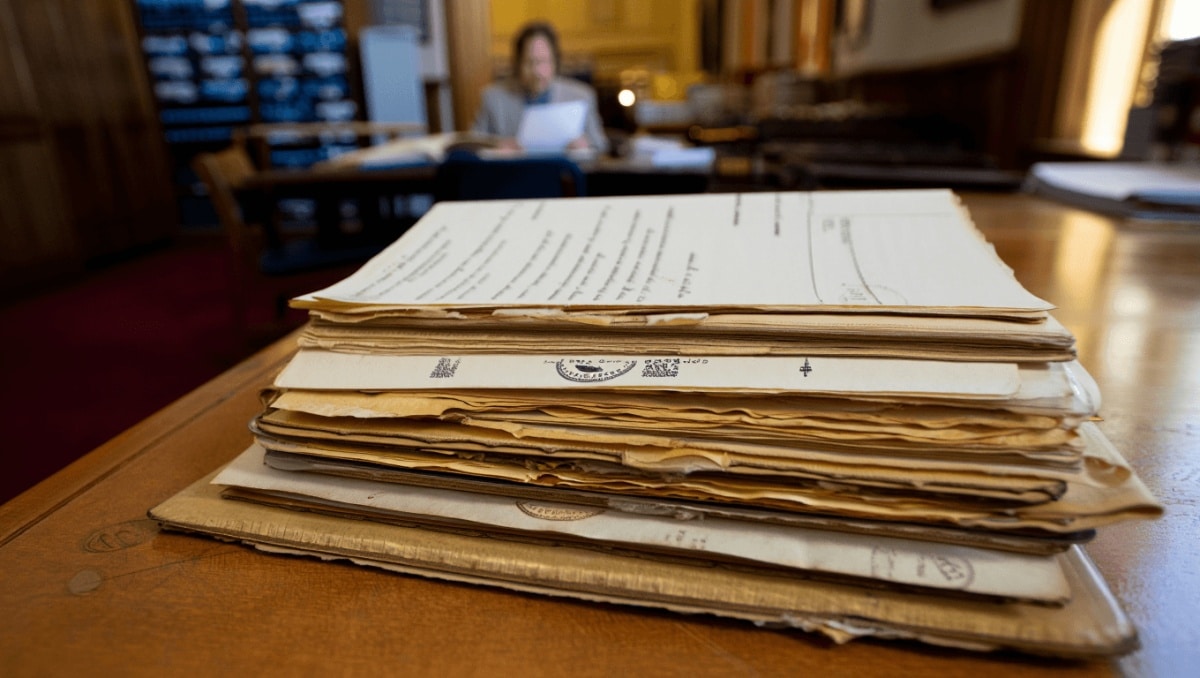
Recent scrutiny of presidential papers has again put the National Archives at the center of a debate over access, classification and accountability — especially in cases linked to former presidents. What happens to documents the Archives holds, and why it matters now, directly affects historical record, legal inquiries and public oversight.
The National Archives and Records Administration (NARA) is the official custodian of presidential records, but custody does not mean instant public access. Under the Presidential Records Act, the Archives takes possession of materials when a president leaves office, then manages review, preservation and eventual release. That process can be complicated when records are sensitive, classified, or potentially relevant to ongoing investigations.
Why the issue is drawing attention
In recent months, renewed attention to how presidential papers are handled has grown amid broader legal and political investigations. Observers — from historians to lawmakers — are watching how quickly the Archives can process documents and whether exemptions for national security or executive privilege will delay disclosure.
Those delays have practical consequences. For journalists and researchers, restricted files can block a clearer understanding of decisions made in office. For prosecutors or congressional committees, delayed access can limit evidence-gathering. And for the public, the pace and transparency of the Archives’ reviews shape trust in government record-keeping.
How the process works, in plain terms
NARA’s responsibilities include cataloguing incoming materials, assessing classification markings, and determining what can be released under the law. The agency often coordinates with the originating administration to resolve classification or privilege claims. When disputes arise, they may be settled through interagency negotiation or, in some cases, litigation.
- Initial intake: Records are transferred to NARA after a president leaves office.
- Review and redaction: Sensitive national security content is examined and may be redacted.
- Claims of privilege: Former administrations can assert executive privilege; courts may be called on to decide.
- Release and access: Declassified and non-exempt records are eventually made public, often in phases.
What this means for different audiences
Researchers and the media see the Archives’ role as essential to constructing accurate historical narratives. When release is slow or heavily redacted, timelines and motives remain unclear.
For legal authorities, records in the Archives can be evidence in civil or criminal matters. Access constraints or privilege disputes can shape the pace and outcome of those inquiries.
And politically, how records are handled becomes fodder for debate: opponents may accuse agencies of favoritism or secrecy, while supporters emphasize the need to protect national security and precedent-setting executive functions.
Key watchpoints going forward
There are a few concrete developments and milestones worth monitoring:
- Whether NARA and any involved agencies reach agreement on classification challenges without court intervention.
- Judicial rulings on claims of executive privilege or on compelled disclosure requests.
- New policies or guidance from NARA tightening or clarifying review timelines and release criteria.
- Congressional oversight activity — hearings or legislation that could change how presidential records are treated.
What readers can do if they’re interested
If you want to follow these developments, check for public statements from NARA, court filings in related cases, and congressional hearing schedules. Academic institutions and historical organizations also publish analyses when significant troves of records become available.
Ultimately, stewardship of presidential papers sits at the crossroads of history, law and public interest. How quickly and transparently the National Archives processes sensitive records will shape our understanding of recent administrations — and may influence legal and political outcomes in the months ahead.