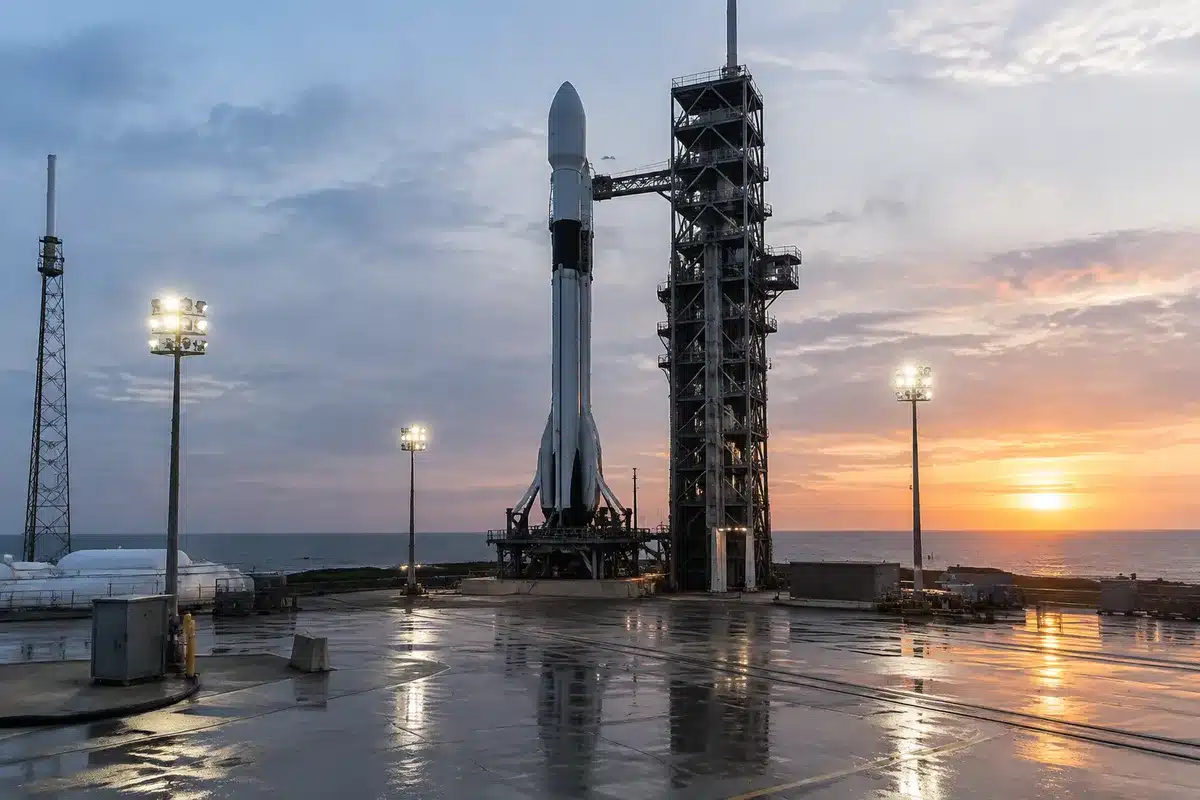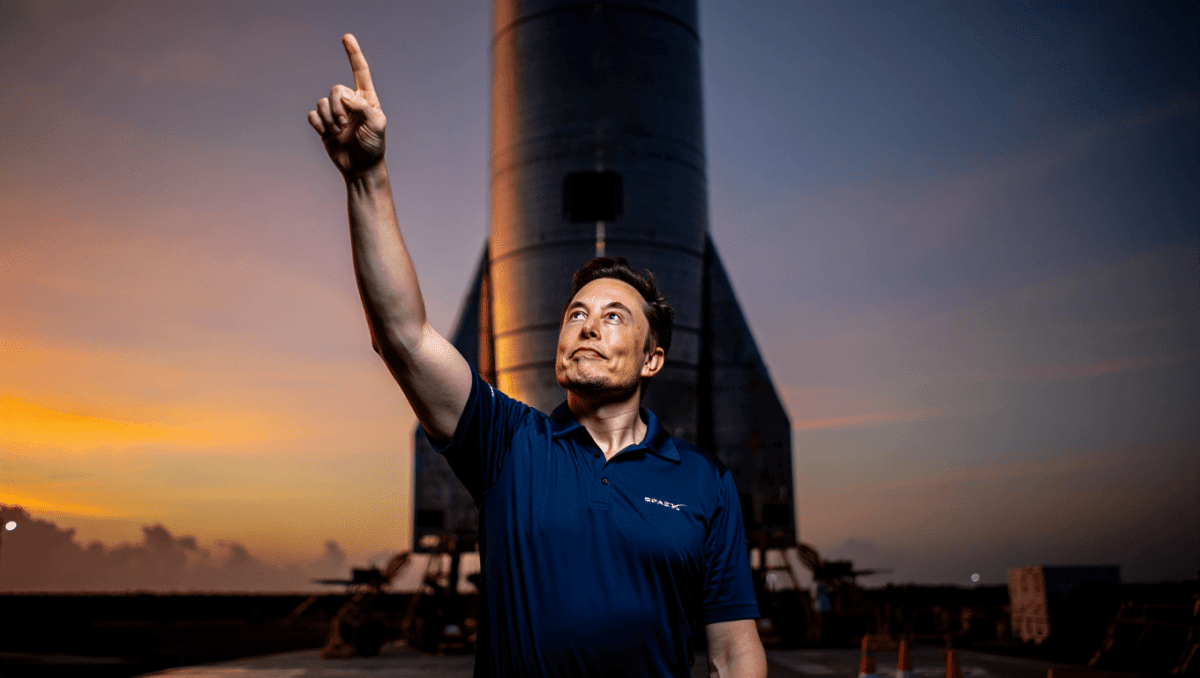
SpaceX just accelerated its IPO timeline dramatically. The rocket maker now targets June 11 pricing on Nasdaq, with shares debuting as soon as June 12. This moves up the original late-June schedule by nearly two weeks, signaling investor appetite for what could become history’s largest public offering.
🔥 Quick Facts
- Pricing Date: June 11, 2026, roughly 3 weeks away
- Market Debut: June 12, 2026 on Nasdaq exchange
- Valuation Target: $1.75-$2 trillion, dwarfing all previous IPOs
- Capital Raise: $75 billion to fund satellite and rocket expansion
Breakneck Speed from Reuters Exclusive
Elon Musk’s rocket company shocked markets today with news of its accelerated IPO schedule. SpaceX originally planned to go public in late June, around Musk’s birthday, but a faster-than-expected SEC review has pulled the entire timeline forward. Reuters reported exclusively that Nasdaq will host the listing, defeating the traditional New York Stock Exchange for this historic moment.
The roadshow kicks off June 4 when SpaceX pitches to institutional investors nationwide. Pricing follows just 7 days later, meaning the company moves from pitching to trading faster than most mega-deals. The speed reflects unprecedented market demand for high-growth space companies.
Why Nasdaq Over NYSE
SpaceX chose Nasdaq specifically to seek early inclusion in the Nasdaq 100 index, sources confirm. This index composition creates automatic buying pressure from billions in passive funds. Nasdaq has already modified its ruleset to accommodate SpaceX’s unique structure and governance preferences, signaling institutional flexibility.
The index inclusion means retail investors gain instant exposure through popular ETFs. SpaceX has loudly committed to reserving a large portion of shares for individual buyers, planning a June investor event with roughly 1,500 participants. This retail dedication bucks traditional IPO practice, where institutions hoard allocation.
Valuation Stuns Markets
| Metric | Value |
| Target Valuation | $1.75T to $2T |
| Capital Raise | ~$75 billion |
| Price-to-Sales Ratio | Estimated 125x 2025 revenue |
| Rank Among IPOs | By far largest ever |
SpaceX commands a valuation that exceeds every Fortune 500 company except Apple, Saudi Aramco, and Microsoft. The $2 trillion ceiling would make SpaceX the most valuable IPO in history, smashing the previous record Saudi Aramco set at $1.86 trillion. Industry watchers caution the price-to-sales multiple trades at 125x current revenue, historically expensive but justified by Starlink growth and rocket reusability improvements.
“SpaceX has accelerated its IPO timeline and is now aiming to flip its prospectus public as early as next Wednesday, with a roadshow launch targeted for June 4 and a market debut as early as June 12.”
— Reuters, as reported to Yahoo Finance by Echo Wang and Anirban Sen
What Drove the Speed
The acceleration stems from SEC efficiency and market momentum. SpaceX filed its S-1 prospectus confidentially on April 1, 2026, and the Securities and Exchange Commission reviewed it faster than traditional timelines. Regulatory tailwinds combined with Starlink revenue acceleration (estimated $15-24 billion annually) convinced bankers to strike now rather than wait.
The move also capitalizes on market appetite for mega-cap AI and space economy stories. OpenAI and Anthropic rumors circulate about their own IPO plans, creating a competitive race among tech titans. SpaceX’s June debut could set valuations for this entire cohort, making timing strategic.
Will SpaceX Stock Deliver for Retail Investors?
The question looms whether SpaceX’s eye-watering valuation leaves room for post-IPO gains. Analysts remain divided. Bull cases cite Starlink dominance in global broadband, Falcon rocket reusability, and Mars ambitions as multi-decade growth drivers. Bear cases highlight Musk’s unpredictability, regulatory risk in satellite broadband, and the simple fact that most billion-dollar companies fail to deliver similar multiples.
Retail investors should approach with caution. The IPO lock-up period (typically 6-12 months) prevents early insiders from selling, meaning the June 12 debut likely sees artificial scarcity. Patience often rewards latecomers more than frenzy buyers. What’s your outlook on SpaceX’s prospects when shares finally trade on Nasdaq?
Sources
- Reuters – Exclusive report on SpaceX IPO acceleration and June 11 pricing date
- Yahoo Finance – SpaceX valuation and capital raise details, published May 15, 2026
- Market Intelligence – Space economy forecasts and comparable IPO valuations