Iran just claimed it’s coordinating with Oman on a controversial toll-based management plan for the Strait of Hormuz that the US firmly opposes. On May 15, Iran’s foreign minister revealed the partnership earlier today. The proposal could reshape global shipping and trigger international backlash over control of this critical waterway.
🔥 Quick Facts
- Strait Status: Blockaded for 10 weeks since US-Israel attack in February 2026.
- Toll System: Iran charges roughly $1 per barrel through new Persian Gulf Strait Authority (PGSA).
- Oman’s Role: Silent on plans; foreign minister claims exclusive Iranian-Omani waterway status.
- US Position: Absolutely opposes any tolls; warns shipping firms could face sanctions.
Iran’s Bold Claim Sparks Diplomatic Tension
Abbas Araghchi, Iran’s foreign minister, made the announcement Friday while in India. He declared the Strait of Hormuz an exclusively Omani-Iranian waterway with no international waters between them. Araghchi said Tehran was coordinating with Muscat about future management, though Oman has remained publicly silent about the proposal.
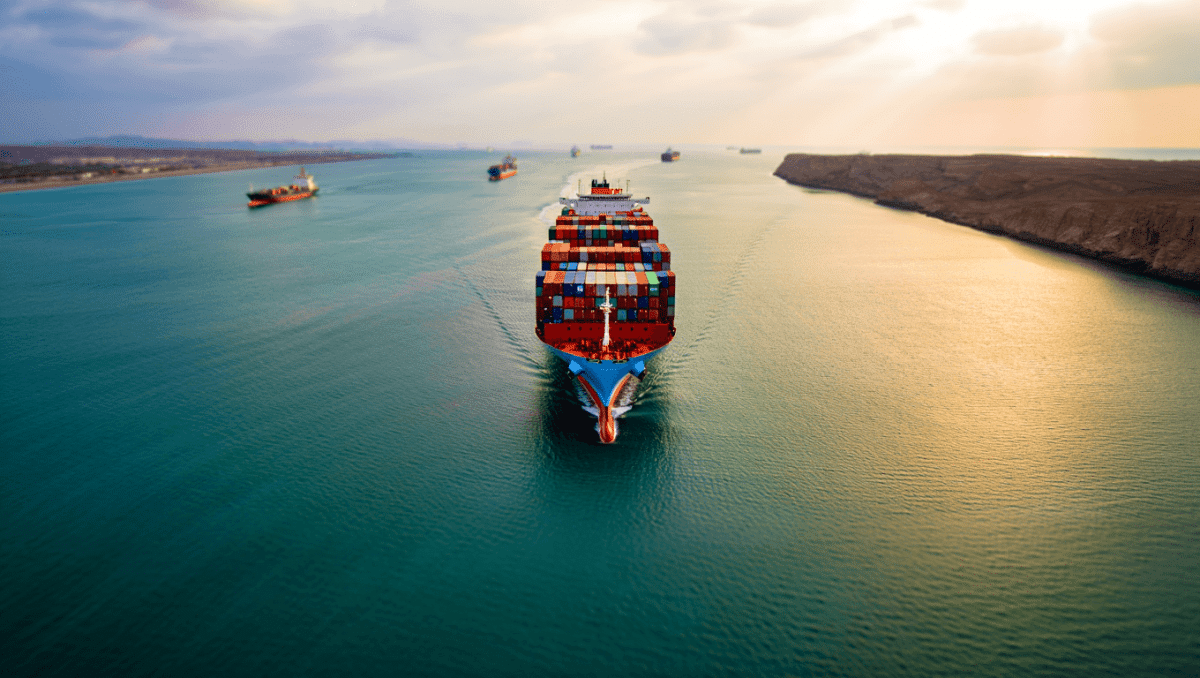
This statement escalated regional tensions after 10 weeks of blockade that disrupted one-fifth of the world’s seaborne oil traffic. The timing signals Iran’s intent to establish facts on the ground regarding control of this strategic chokepoint.
The Toll Booth System Explained
Iran established the Persian Gulf Strait Authority on May 5 to approve vessel transit and collect fees. Ships must now register by email to receive routing information and passage permission. The system requires payment in Iran’s national currency, with fees set at approximately $1 per barrel.
Western diplomats argue the proposal violates international law by imposing arbitrary tolls and allowing Iran to select which ships pass based on nationality. Requiring rial accounts potentially violates UN sanctions prohibiting money transfers to the Islamic Revolutionary Guard Corps.
| Policy Aspect | Iran Proposal | US-Allied Alternative |
| Transit Tolls | $1 per barrel charged | Freedom of navigation |
| Ship Selection | Iran approves by nationality | All vessels allowed |
| Authority | Persian Gulf Strait Authority (PGSA) | France-UK freedom proposal |
| Support | Iranian government | Most Gulf states |
Oman Caught Between Superpowers
Oman occupies a delicate position as the only Gulf state maintaining friendly ties with Iran. The nation’s Musandam exclave lies south of the contested waterway, making it crucial to any solution. Yet Muscat has remained silent about Iran’s plans, despite high-level Western pressure.
British officials and the secretary-general of the International Maritime Organization recently visited Oman to present alternative proposals. France and the UK have drafted a rival plan emphasizing freedom of navigation with backing from most Gulf states. The diplomatic competition reflects the stakes involved.
“The Strait is located in the territorial waters of Iran and Oman. There is no international waters in between.”
— Abbas Araghchi, Iranian Foreign Minister
The Global Economic Impact Looms
The Strait of Hormuz carries roughly 20 percent of global seaborne oil, making this dispute far more than regional politics. China imports nearly 45 percent of Iran’s oil through the strait, which gives Beijing leverage in negotiations. Trump recently claimed China agreed no tolls could be imposed, though Chinese diplomacy remains noncommittal.
The US Navy blockade of Iranian ports remains in place while negotiations continue. If Iran’s toll system becomes permanent, it could reshape maritime commerce and global energy prices. Insurance costs, shipping delays, and potential sanctions threaten to ripple across international trade.
What Happens Next in This High-Stakes Standoff?
The fundamental legal and geopolitical conflict centers on whether Iran can impose tolls under international maritime law. Iran claims it’s not bound by UN Convention on the Law of the Sea transit passage rules since it signed but never ratified the treaty. Instead, Tehran argues for customary international law allowing more restrictive innocent passage.
Will Oman officially endorse or reject Iran’s coordination proposal? Can France and the UK convince Gulf states their freedom-focused alternative serves everyone’s interests better? The coming weeks will reveal whether Iran’s toll booth becomes reality or fades under international resistance.
Sources
- The Guardian – Iran and Oman coordination claims on Strait management and toll system.
- Iran Foreign Ministry – Abbas Araghchi’s statements on exclusive waterway and PGSA operations.
- Reuters/CNBC – Toll mechanism details, US opposition, and geopolitical implications.