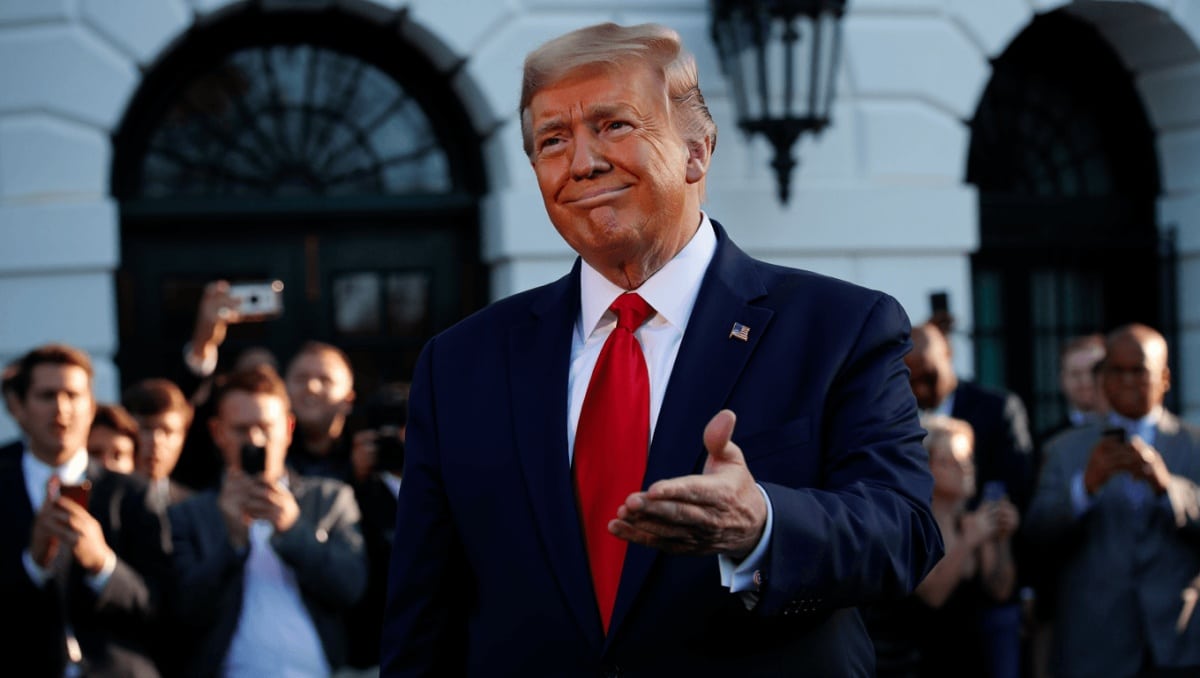
President Trump said this week that Iran has agreed to hand over enriched nuclear material and to curb support for proxy groups, remarks that the White House says helped spark a sharp rally in U.S. markets. If confirmed, the steps would mark a major shift in a long-running standoff with Tehran and could ease fears of a wider regional conflict and an oil-price shock.
In a series of public comments, the administration described a framework in which U.S. teams would work with Iranian counterparts to remove stockpiles of enriched uranium and transport them to American custody. The president also asserted that Tehran had pledged to scale back backing for groups such as Hezbollah and Hamas. Officials said talks between the two sides are continuing this weekend and that a naval blockade on Iranian shipments will remain in place until the transaction is complete.
What the administration says and what remains unverified
The White House positioned the measures as a nonviolent alternative to a broader military campaign, arguing that economic and maritime pressure can compel compliance without deploying large numbers of ground troops. Administration spokespeople presented the arrangement as one reason investor sentiment turned positive, citing the reduced risk of an extended ground war and the avoided scenario of sharply higher oil prices.
Independent verification is central to whether the arrangement will hold. U.S. and international monitors would need access and clear oversight of any transfer of material; analysts and former officials warned that Tehran has a history of reneging on commitments, meaning verification protocols will be scrutinized closely.
- Claimed commitments: Transfer of nuclear material and reduction of proxy support, according to the White House.
- Enforcement: A naval embargo to remain until U.S. officials certify the deal is complete.
- Military role: Officials say some military personnel could be involved in the physical transfer, but no large ground-force deployments are planned.
- Economic impact: Markets reacted favorably on signs the confrontation may de-escalate; energy markets could stabilize if shipping lanes reopen.
- Open questions: Timetable, verification mechanisms, and Iran’s adherence over the medium term.
Market reaction and economic stakes
Stock indexes rose after the announcements, reflecting investor relief at the prospect of a limited, negotiated resolution rather than an expanded conflict. Traders have long priced in the possibility that a wider war in the Gulf would push oil well above recent levels, disrupt shipping through the Strait of Hormuz and raise costs across global supply chains.
Still, market gains could be fragile. Economists cautioned that initial optimism often reverses if details fail to materialize or if follow-on incidents reignite tensions. The maintenance of the embargo until a certified handover is complete is intended to preserve bargaining leverage but also prolongs economic pressure on Iran in the near term.
Verification, timelines and risks
Officials declined to provide a detailed timetable for when transfers would occur or which verification bodies would be involved. The involvement of neutral inspectors, secure transport protocols for nuclear material and transparency over the cessation of support to proxy groups are likely to be central elements in any durable agreement.
Analysts warned about several risks: the possibility of ambiguous wording in any agreement, unilateral actions by regional actors, and internal political pushback inside Iran or the United States that could derail implementation. “Trust but verify” — a principle frequently invoked in past nuclear negotiations — will be the operative standard for many diplomats and intelligence officials.
For now, the immediate consequences are clear: markets have priced in a reduced short-term risk of war and oil disruption, U.S. officials say a naval blockade will continue until they are satisfied, and the international community will be watching for concrete, verifiable steps rather than declarations alone.
What to watch next
- Official confirmation from independent inspectors of any transfer of materials.
- Public or leaked details about verification protocols and timelines.
- Responses from regional governments, particularly Israel and Gulf states.
- Market moves in oil and regional risk indicators in the days following the announcements.
Whether this episode leads to a durable de-escalation hinges on implementation and oversight. The claims made by the administration shift the focus from imminent kinetic conflict to a test of verification and diplomacy — and the outcome will shape both geopolitical risk and short-term market sentiment.