The Supreme Court ruled 5-4 on Monday to allow Trump’s $400 million White House ballroom construction to continue, lifting a lower court block on above-ground work despite a strong dissent from Chief Justice John Roberts that the project is “likely unlawful” because Congress has not approved it.
The unsigned majority decision granted the Trump administration’s emergency request to block a federal appeals court ruling that had halted the construction. The justices said the National Trust for Historic Preservation, which sued to stop the project, appeared to lack legal standing to bring the case, meaning they did not have sufficient personal injury to sue in federal court.
Roberts sided with the court’s three liberal justices in dissent. “The White House is an iconic American building whose symbolism and history are wrapped up in its architecture,” he wrote. “That construction is likely unlawful,” he added, noting that Congress has not expressly authorized the project under federal law requiring congressional approval for construction on federal land in Washington.

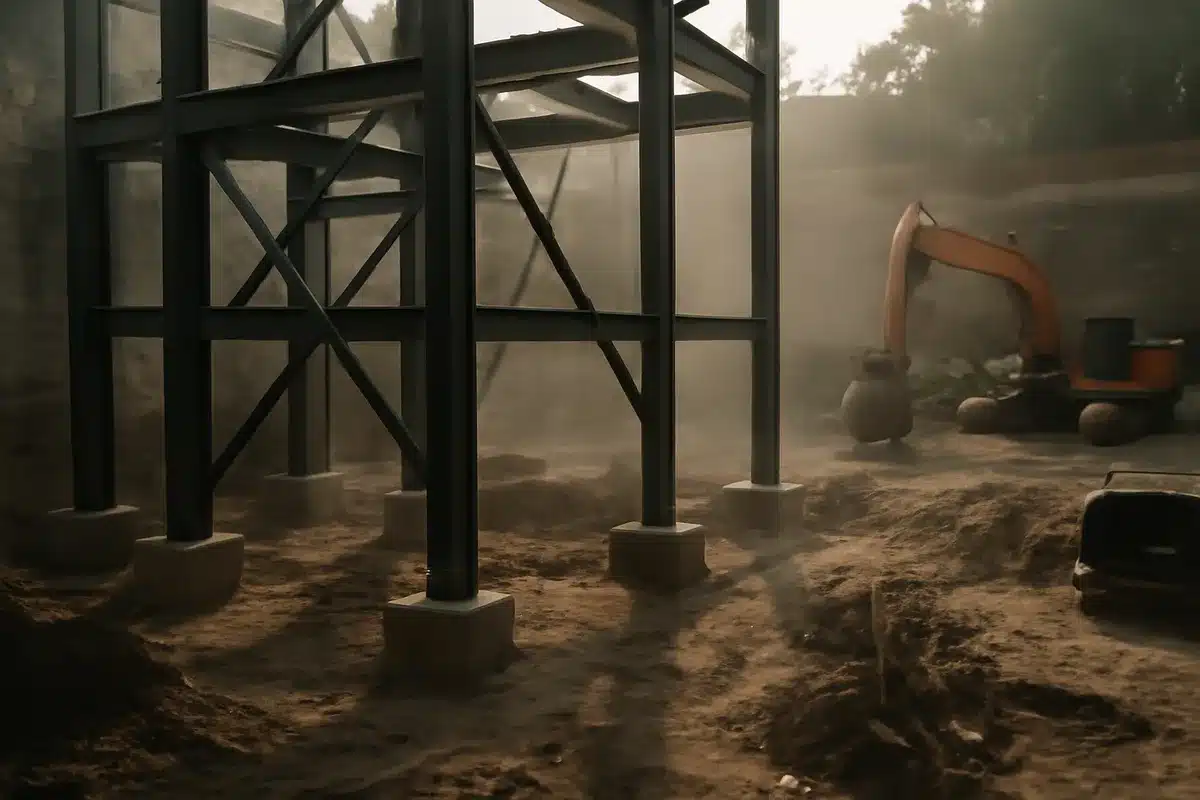
The Trump administration demolished the historic East Wing of the White House last October to begin the ballroom project. According to court filings, construction was 65% complete as of August 24, with a 250-person crew working 20 hours a day, seven days a week. The White House said the project will be “substantially” finished by November and fully completed by August 2028.
The legal challenge centered on standing—whether Alison Hoagland, a historic preservationist and National Trust member who regularly walks past the White House, suffered a concrete injury that gave her the right to sue. The majority concluded that “mere offense, disagreement, or distaste does not qualify as a concrete and particularized injury,” dismissing her claim that the ballroom would harm her aesthetic and professional interests as a historian.
Roberts disagreed sharply. He argued that Hoagland, as a preservationist with “focused and substantiated” expertise in historic architecture who regularly visits the site, could be “aesthetically injured in a concrete, particularized way by the transformation of a historic building that she frequently enjoys.” The dissent highlighted that the Supreme Court had long allowed aesthetic standing in environmental cases, and questioned why historic and cultural harms should be treated differently.
The case reflects a broader trend at the conservative Supreme Court to enforce standing requirements more strictly. A federal appeals court panel had ruled 2-1 on August 7 that Trump lacked unilateral authority to proceed without congressional approval, citing a federal law requiring “express authority of Congress” for building structures on federal land in Washington. The Supreme Court’s 5-4 decision did not resolve whether the project is actually legal—only that the preservation group could not challenge it in court.

Trump praised the ruling on Truth Social, saying he was “pleased” and that it would allow the project to proceed “without any further contingency, doubt, or threat.” The White House has said the ballroom and related underground facilities—which include secure locations, medical facilities, and other security features—will cost $400 million and be funded entirely by private donations, though construction is already 65% complete.
The National Trust expressed disappointment but welcomed Roberts’s dissent. “Each President is a temporary steward of the People’s House and does not have the unilateral authority to demolish and redesign it without the approval of Congress,” the organization said in a statement. The underlying legal question—whether Trump has authority to carry out the project without congressional approval—remains unresolved as litigation continues.
Sources
- NBC News — detailed reporting on the 5-4 ruling, the standing doctrine, and Roberts’s dissent
- BBC News — coverage of the Supreme Court decision, the $400 million cost, and the dissent
- POLITICO — analysis of the ruling, Roberts’s dissent language, and the standing issue
- Lawfare Media — in-depth legal analysis of the standing doctrine and its application to aesthetic harms