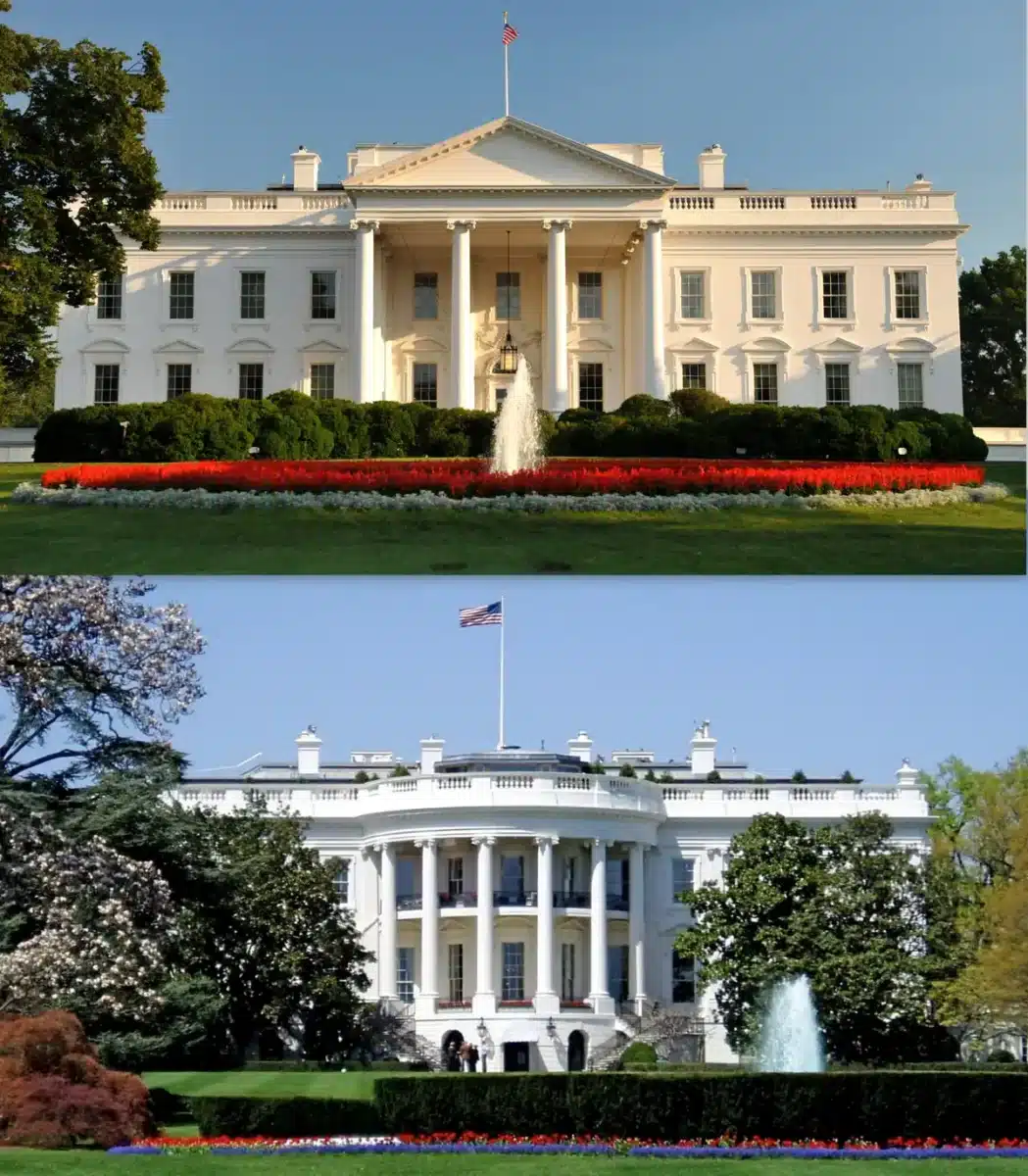
The Trump administration’s claim that White House ballroom construction has reached 65 percent completion was submitted to the Supreme Court two weeks ago as part of its argument that the project is too far along to halt, according to legal filings and reporting from August 28, 2026.
The 90,000-square-foot ballroom, which began construction in late October 2025, is expected to be finished by August 2028, according to administration statements. The project has faced significant legal obstacles: a federal appeals court ruled on August 7 that Congress must approve the ballroom before work can continue, but the Supreme Court issued a temporary stay on August 21 allowing construction to proceed while the justices consider the case.
Crews are working 20 hours a day, seven days a week on the project, with approximately 250 workers on site. The administration argued in its Supreme Court filing that halting work at 65 percent completion would cause its own aesthetic harm, part of a broader push to avoid any interruption to the timeline.
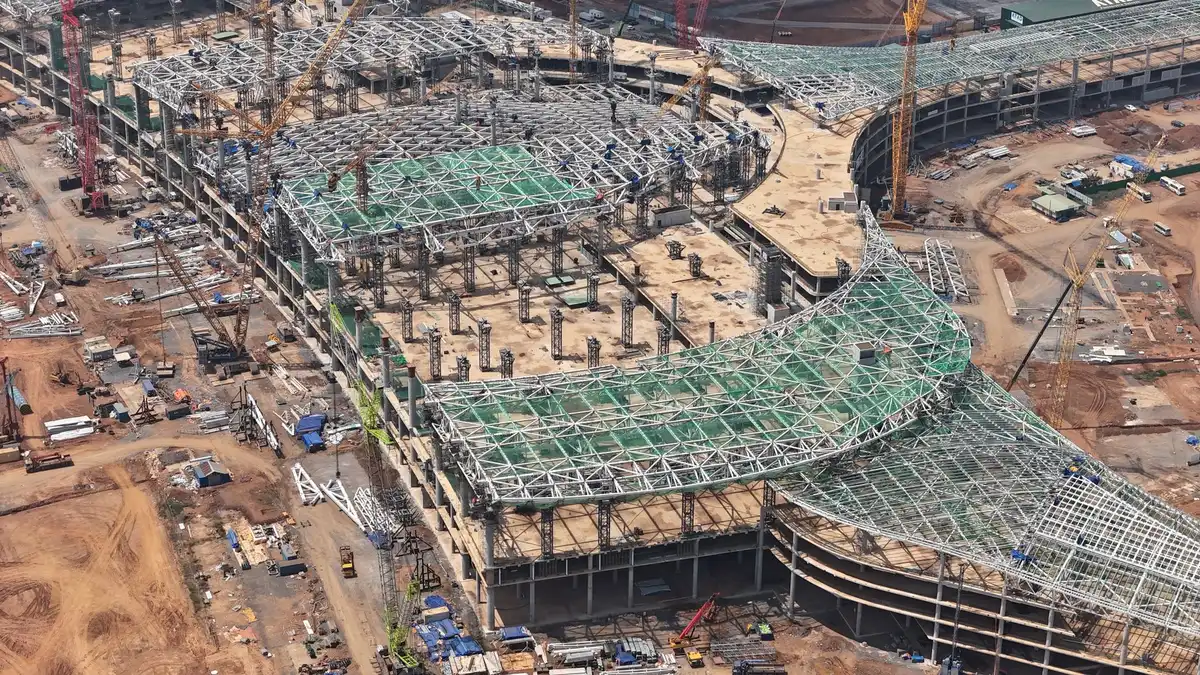
The ballroom project emerged as a centerpiece of Trump’s second-term agenda for reshaping Washington. The National Trust for Historic Preservation filed a lawsuit in December 2025 challenging the legality of the construction, arguing that the administration violated federal law by beginning work without submitting plans for public review and congressional approval. A federal judge initially halted the project in March 2026, but subsequent appeals court rulings created a complex legal landscape with temporary stays and partial construction allowances.
The cost of the ballroom has grown substantially. Initial estimates placed it at $250 million to $400 million, but a Washington Post investigation in June 2026 revealed internal documents suggesting the true cost could reach $600 million, with approximately half funded by taxpayers despite the administration’s claims that the project would be entirely privately funded through donations.
The legal fight reflects a broader constitutional question about presidential authority over White House grounds and the extent to which Congress retains control over spending and alterations to the building. The appeals court’s August 7 ruling emphasized that Congress has retained control over funding for White House development, a principle the Trump administration has contested in its Supreme Court filings. The justices’ ultimate decision will likely clarify the scope of executive power in such projects.
The Supreme Court’s allowance of continued work came after the Trump administration’s emergency appeal, and the court has not yet scheduled oral arguments or set a timeline for a final decision. In the interim, construction continues at an accelerated pace, with the administration pressing forward on what it views as a transformative addition to the presidential residence.
Sources
- Washington Post — The White House’s claim that ballroom construction is 65% complete; the August 28 investigation into the discrepancy between administration claims and internal budget documents; cost estimates of $600 million with taxpayer funding
- NPR — Ballroom size (90,000 square feet), expected completion date (August 2028), construction start date (October 2025), crew size and work schedule (20 hours a day, 7 days a week)
- Al Jazeera — Confirmation that 65% of work is complete; crew work schedule and number of workers
- Reuters — Appeals court ruling on August 7, 2026, requiring congressional approval; Supreme Court’s allowance of construction on August 21
- Associated Press — Appeals court ruling requiring congressional approval before ballroom construction could continue
- PBS NewsHour — National Trust for Historic Preservation lawsuit filed December 2025; preservation group’s request for Supreme Court intervention
- New York Times — Supreme Court Chief Justice John Roberts’ temporary stay allowing construction to proceed; administration’s argument that halting work would cause aesthetic harm
- Court House News — Crew size (approximately 250 workers) and work schedule (20 hours a day, seven days a week)