President Donald Trump’s administration asked the U.S. Supreme Court on Friday to allow continued construction of a $400 million White House ballroom after a federal appeals court blocked the project, ruling that Congress must approve any major reshaping of the presidential residence.
Trump’s solicitor general petitioned the high court to suspend last week’s decision by a three-judge panel from the U.S. Court of Appeals for the District of Columbia Circuit. Chief Justice John Roberts set a deadline of Tuesday for responses from the National Trust for Historic Preservation, the preservation group that sued to stop the construction.
The appeals court issued a 2-1 ruling on August 7 that halted above-ground work on the 90,000-square-foot ballroom, siding with the preservationists who challenged the project. The majority opinion stated that “each President is a temporary tenant, not the owner, of the White House” and cannot fundamentally reshape it without congressional approval. “Whether or not a massive ballroom should be constructed is for Congress to decide and is not a matter for Executive self-help,” the court wrote.
Trump has argued that the ballroom project serves critical national security requirements, describing it as an “integrated military complex” that includes bomb shelters, medical facilities, and shielding from drones and missiles. In court filings, Justice Department lawyers echoed this position, stating the project is “vitally required by national security.” Trump has also said he has raised hundreds of millions of dollars from corporations and wealthy donors to cover construction costs, arguing that because public money is not being used, congressional approval is unnecessary.
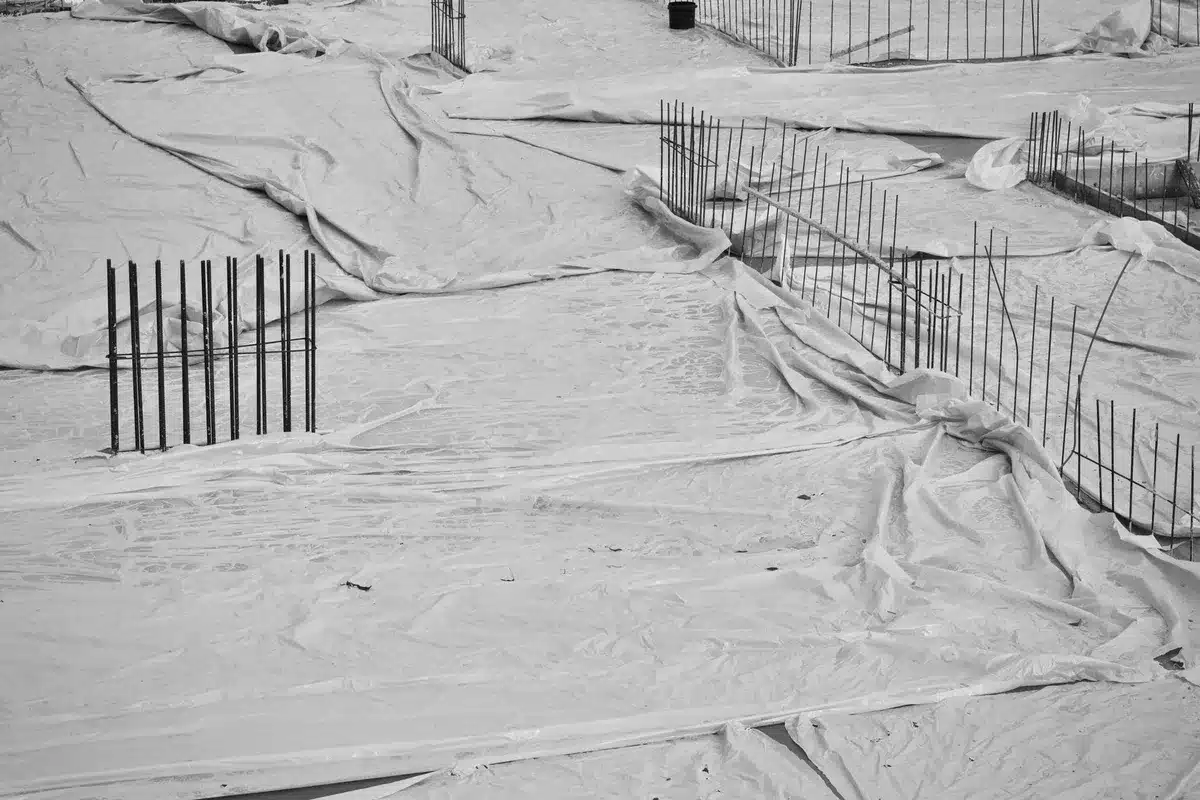
The National Trust for Historic Preservation filed the lawsuit in December 2025, a week after the Trump administration demolished the East Wing to make way for the ballroom. The group contends that the law requires Congress to authorize any such construction at the White House. In a statement Friday, the trust accused the administration of trying to “outrun the courts” by accelerating construction, noting plans to install 1 million pounds of rebar and pour 3,000 cubic yards of concrete in the following week alone.
The appeals court panel gave the Trump administration 14 days from its August 7 ruling to seek Supreme Court review. A lower court judge, U.S. District Judge Richard Leon, had previously ordered a halt to above-ground construction in April but allowed underground work on bunkers, military installations, and medical facilities to proceed. The appeals court upheld that order, with Judge Patricia Millett and Judge Bradley Garcia backing the decision. Trump-appointed Judge Neomi Rao dissented, arguing that the project should be allowed to continue.
Trump has called the appeals court’s decision “horrendous” and politically motivated, saying it left him, White House officials, and visitors exposed to attack. He has vowed to appeal the ruling to the Supreme Court. The administration claims the ballroom project is roughly 65% finished and that the current state of the construction site—essentially an open area—makes it harder to protect the White House.
The case tests fundamental questions about presidential authority over the White House and the scope of executive power when national security is invoked. During oral arguments in June, a Justice Department lawyer defended a broad view of presidential control, arguing that the government could theoretically bulldoze the Statue of Liberty or the White House itself without court interference. The appeals court rejected this reasoning, stating that national security arguments “are not an automatic get-out-of-law-free card.”
Sources
- Reuters — Trump’s Supreme Court petition on August 14, 2026, Justice Department arguments on national security, appeals court ruling and details of the 2-1 decision
- PBS News/Associated Press — Supreme Court petition filing, appeals court decision, lower court judge’s rulings, administration arguments on congressional approval and funding
- National Trust for Historic Preservation — Statement on the appeals court ruling, lawsuit details, and response to the administration’s petition