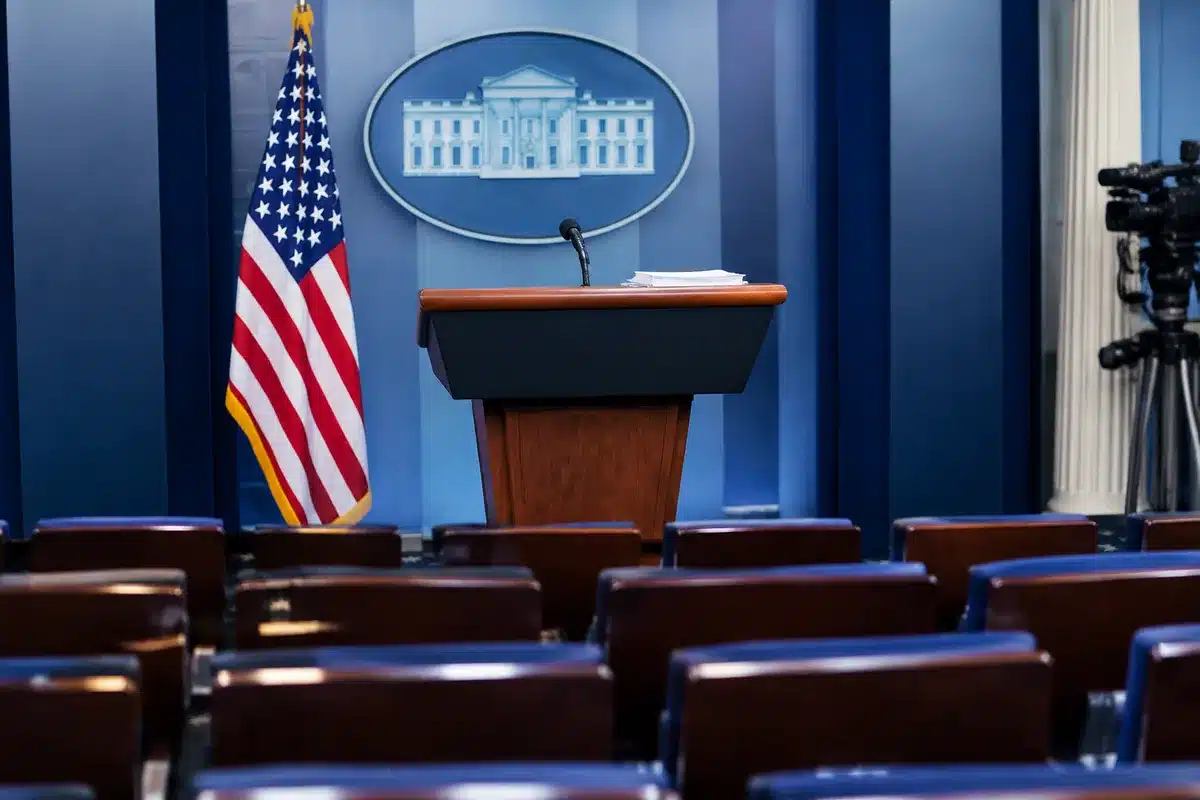
The Supreme Court ruled 5-4 on Monday to allow President Trump’s White House ballroom construction to continue, overturning a lower-court halt that had blocked above-ground work on the project. The divided decision marks a major victory for the administration and likely represents the final word on whether the $400 million renovation can proceed without congressional approval.
The conservative majority dismissed a lawsuit filed by the National Trust for Historic Preservation on standing grounds, concluding that the preservation group had not suffered personal injury from the ballroom and therefore lacked legal authority to challenge the project. Chief Justice John Roberts dissented, joined by the court’s three liberal justices.

The National Trust had argued that Trump was a “temporary tenant, not the owner” of the White House and that the president could not unilaterally tear down the East Wing without congressional authorization. U.S. District Judge Richard Leon ruled in March 2026 that construction must halt, finding that no statute gave the president authority to demolish substantial portions of the White House. The D.C. Circuit Court of Appeals affirmed that decision in August, writing that “Congress has not ceded unfettered authority to the Executive Branch to dramatically redesign, reshape, and reconstruct the White House.”
Trump’s administration countered that the ballroom project serves national security purposes and that lower courts had improperly interfered with executive authority. The Supreme Court’s conservative majority accepted that argument, emphasizing that the president’s national security concerns warranted deference from the judiciary.
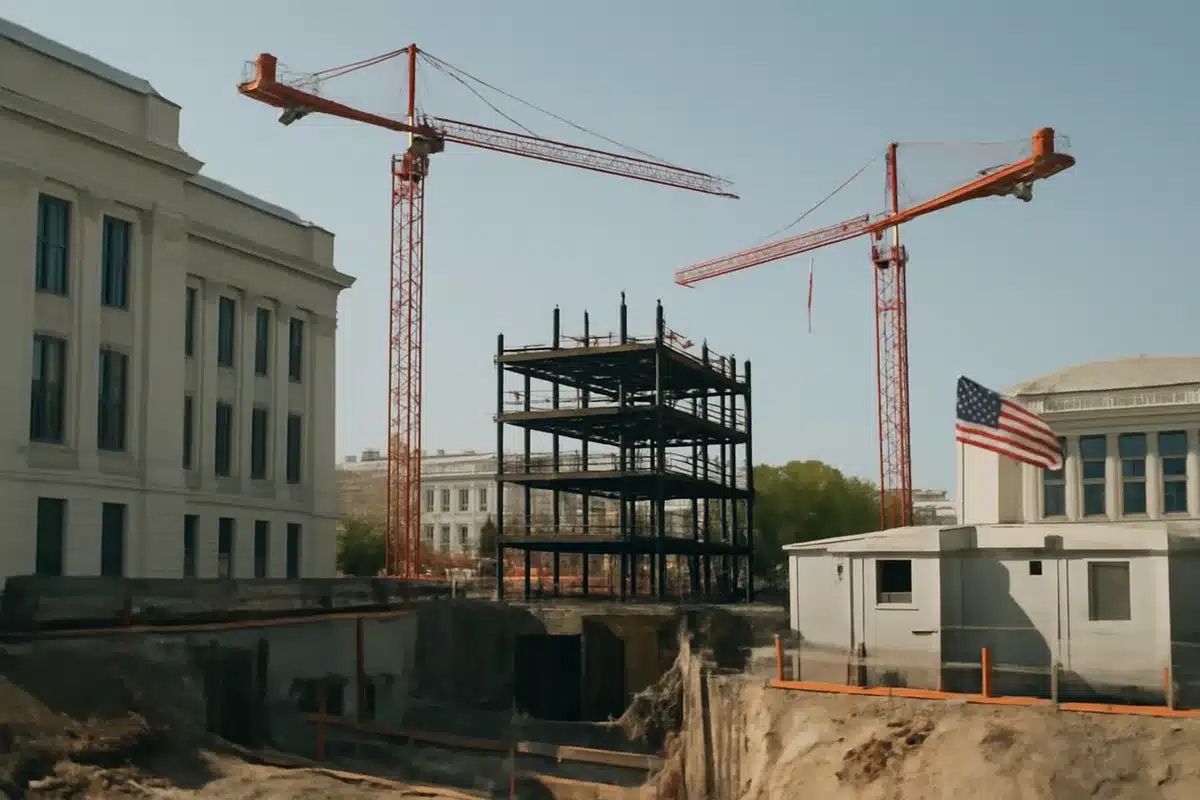
Construction on the ballroom began in October 2025 after Trump demolished the historic East Wing. The administration announced the project would be funded primarily through private donations. According to court filings cited in recent reporting, the work was approximately 65 percent complete as of late August. The National Park Service projects full completion in August 2028, with the framework expected to be finished by November 2026 and much of the façade done by April 2027.
The ruling underscores a broader shift in how the Supreme Court’s conservative majority approaches presidential power. By finding that the historic preservation group lacked standing to sue, the court avoided directly deciding whether the Constitution permits such sweeping renovations without Congress. That approach left the legal question of presidential authority over federal property unresolved, even as it cleared the way for Trump’s immediate plans.
The decision has intensified debate over presidential power and the future of historic preservation law. Democrats have criticized the ballroom as a vanity project that diverts attention from economic concerns during an affordability crisis. Republicans have defended it as a necessary modernization of the White House that falls within the president’s legitimate authority over executive branch facilities.
Sources
- Axios — Supreme Court ruling and its significance as likely final word on the project.
- Los Angeles Times — Details on the 5-4 vote, standing grounds for dismissal, and lower court history.
- Washington Examiner — National Trust for Historic Preservation’s legal challenge and the majority’s reasoning.
- KARE11 — Construction timeline and completion projections.
- NPR — Judge Richard Leon’s March 2026 ruling and legal authority questions.
- Reuters — D.C. Circuit Court’s August 2026 decision affirming the halt.